What Taxes Does Texas Not Have
Alright, let's talk about taxes – but don't hit that back button just yet! We're not diving into pages of confusing forms or audits. Instead, we're going to explore something much more fun and, dare I say, refreshing: What Taxes Does Texas NOT Have? It's like finding money in an old jacket, but on a state level! In a world where we often grumble about what we do pay, isn't it a delightful change of pace to celebrate what we don't?
This topic isn't just a quirky fact; it’s genuinely useful and popular, especially for anyone curious about the Lone Star State's unique financial landscape. For beginners, perhaps those new to Texas or just starting to grapple with personal finance, understanding these absences demystifies a big chunk of the tax system. For families contemplating a move, knowing what taxes are off the table can be a game-changer for budgeting and quality of life calculations. It helps you accurately compare the cost of living. And for the personal finance hobbyists out there, it offers fascinating insights into how states structure their revenue, making for great dinner party conversation (or at least a compelling internal monologue!).
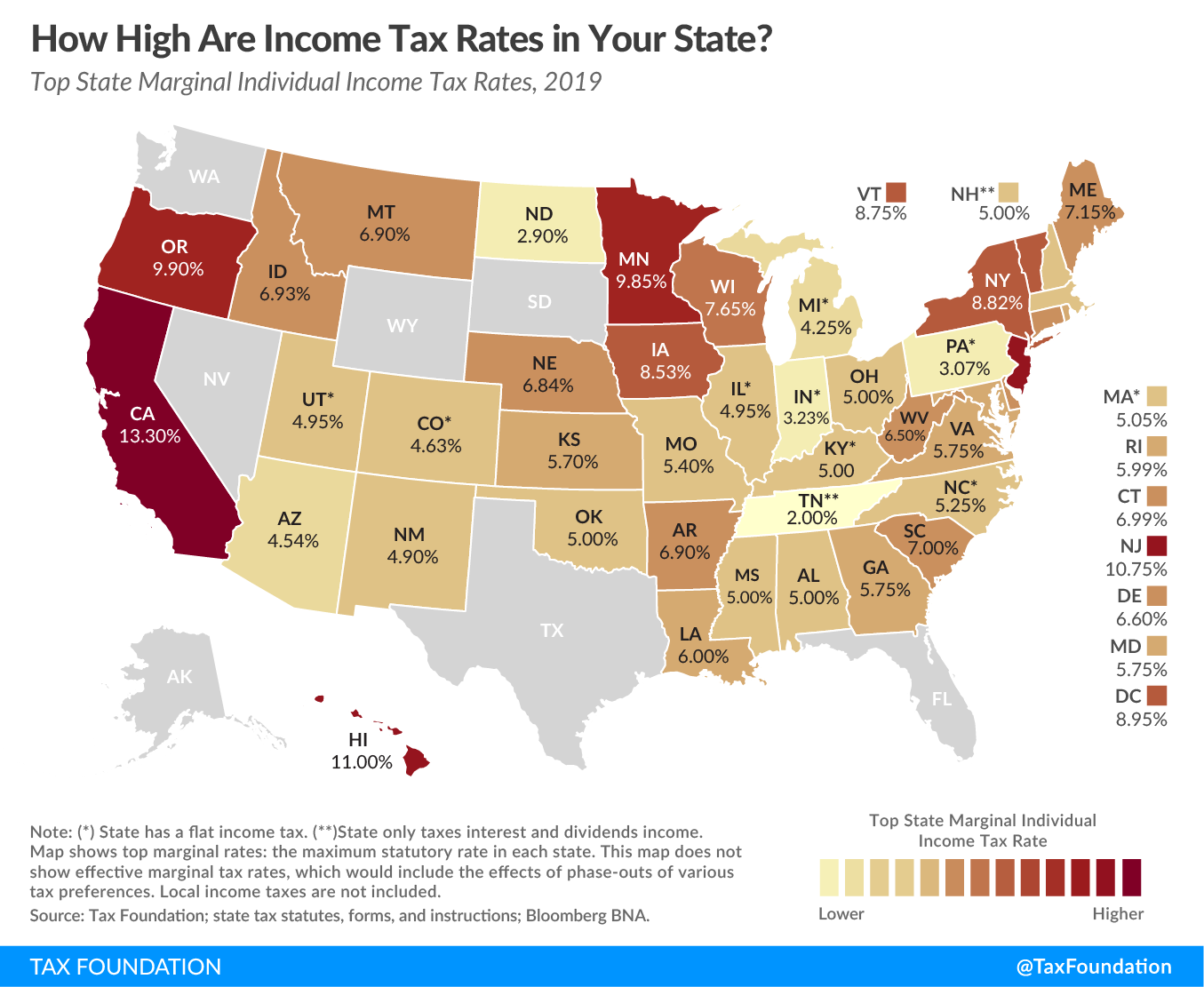
So, what are these mythical taxes Texas elegantly sidesteps? The biggest, most celebrated one is undoubtedly the state income tax. That's right, when you earn your paycheck in Texas, the state doesn't take a slice of your earnings. This is a massive difference compared to many other states and is often the primary draw for individuals and businesses alike. Furthermore, Texas does not have a corporate income tax in the traditional sense, though there is a franchise tax (which operates differently). You also won't find a state property tax here – while local jurisdictions (counties, cities, school districts) levy property taxes, the state itself doesn't impose one. Beyond these big hitters, you can also wave goodbye to state inheritance tax and state gift tax. It creates a distinctly different tax environment than what you might find elsewhere!
Must Read
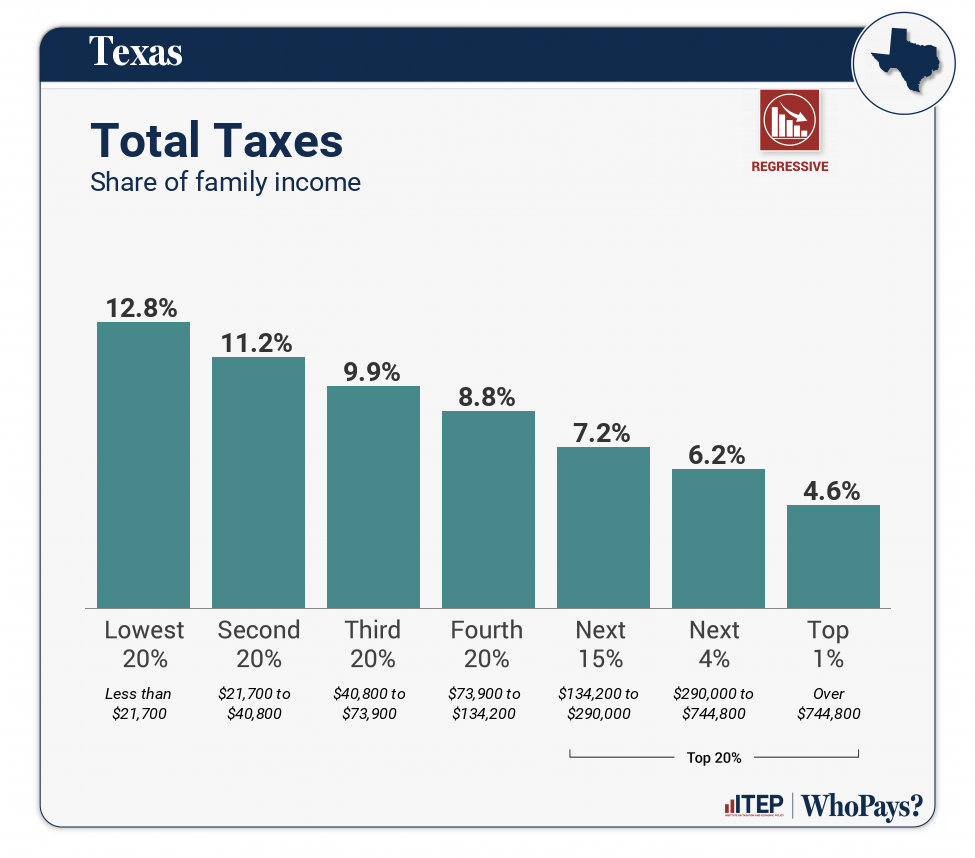
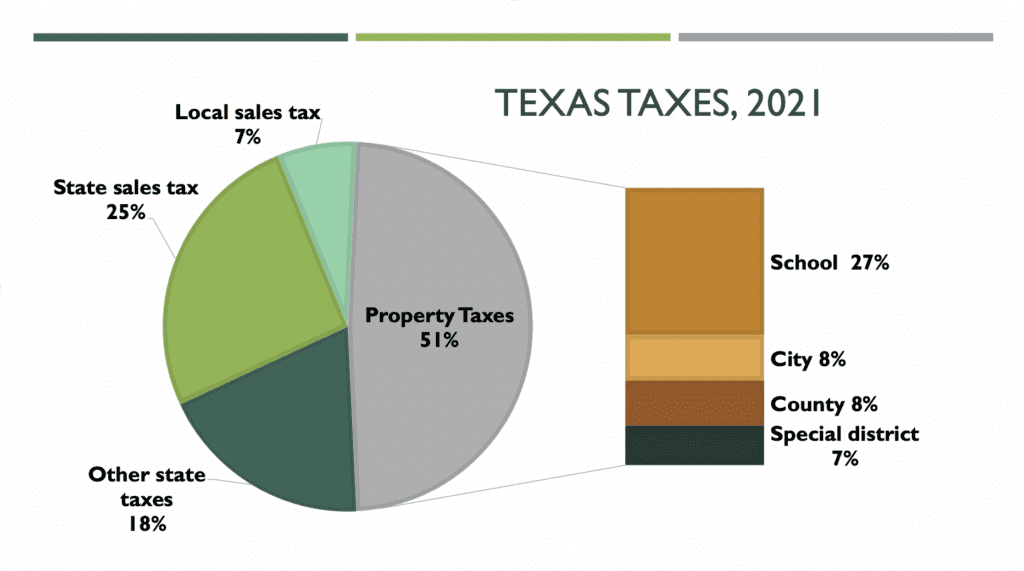
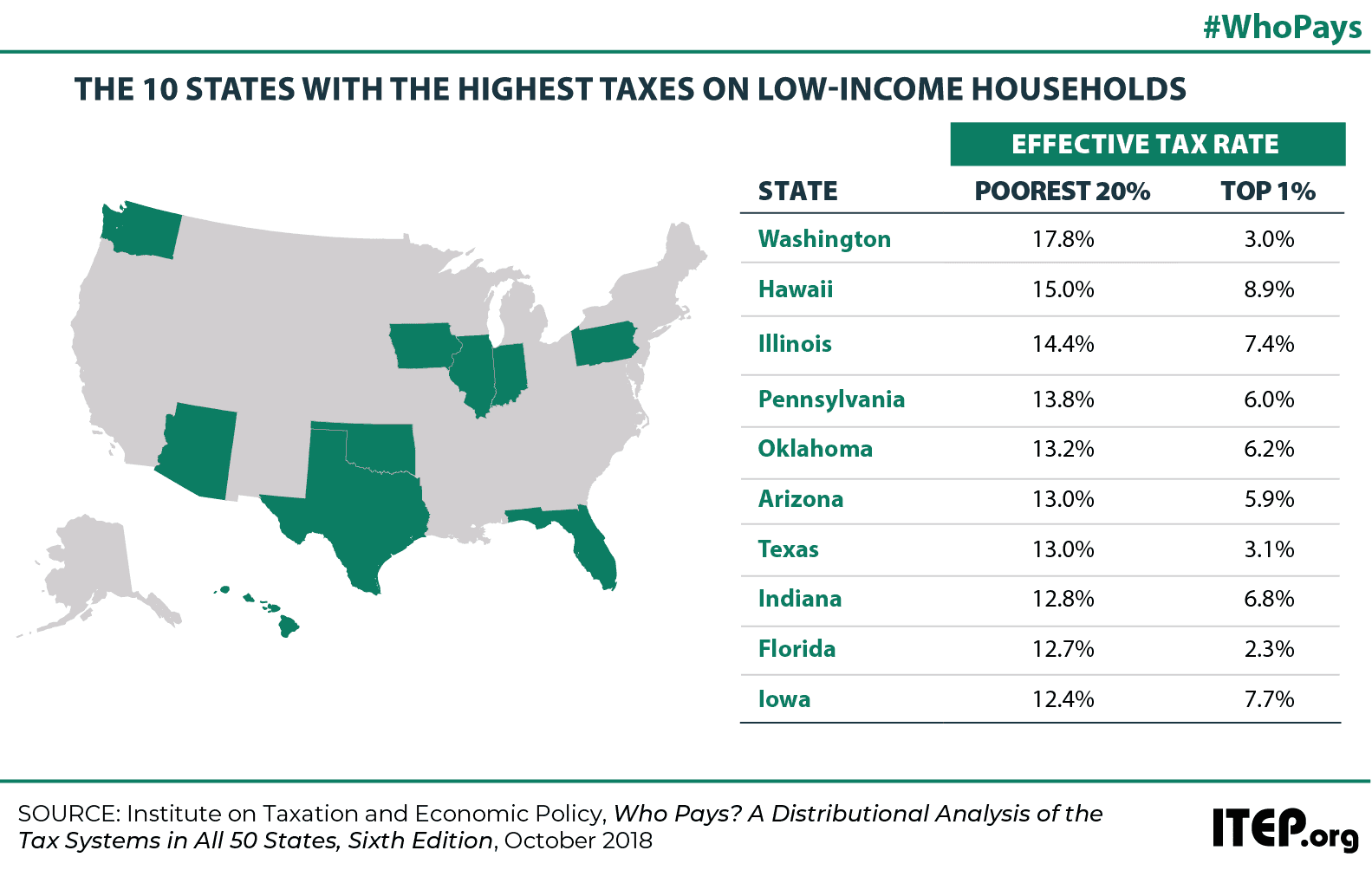
Ready to put this knowledge to good use? Here are a few simple, practical tips. If you're considering moving to Texas, remember that while there's no state income tax, other taxes tend to be higher to compensate. So, always research local property taxes very carefully, as they can vary significantly by county and city. Similarly, Texas has a relatively high state sales tax (and local additions can make it even higher), so factor that into your daily spending. Don't just focus on the absence of income tax; understand the full picture. Using online tax calculators or consulting a local real estate agent can give you a crystal-clear picture of what your overall tax burden might look like.
Ultimately, understanding what taxes Texas doesn't have isn't just about saving money; it's about gaining clarity and financial peace of mind. It highlights a unique aspect of the Texan economic philosophy and allows you to make more informed decisions about your finances and your future. So, go forth, enjoy that extra bit of your paycheck, and appreciate the distinct tax flavor of the Lone Star State!
:max_bytes(150000):strip_icc()/9StatesWithoutAnIncomeTax-8930504a78a94618b205ffd70dc03928.png)