
What Stocks Can Be Traded 24 Hours
Imagine waking up in the middle of the night, gripped by the sudden urge to buy or sell a stock. For years, that was a financial dream… or nightmare, depending on how you look at it. The traditional stock market, like a grumpy old shopkeeper, only opens during specific hours.
But guess what? The world is changing, and even Wall Street is starting to catch up! Nowadays, the idea of trading stocks 24/7 isn't just a fantasy. It's becoming a reality, although with some very specific quirks.
The After-Hours Party: Trading When the Lights Go Down
Think of the regular stock market hours as the main party. After it ends, there's an after-party happening, much quieter and with a slightly different vibe. This after-hours trading is where some action goes on, and it's becoming increasingly accessible.
Must Read
Not all stocks are invited to this after-hours bash. Typically, it's the big names, the heavy hitters, the companies that are traded most frequently that participate. Think of Apple, Amazon, Tesla – the kind of stocks you hear about all the time.
You can trade outside market hours via electronic communication networks (ECNs). ECNs are like digital marketplaces that match buy and sell orders directly. It's like a dating app, but for stocks!
The Foreign Exchange Funhouse: Currencies Never Sleep
Here's where things get truly global and never take a break. While individual company stocks might have limited after-hours trading, the foreign exchange (forex) market is a different beast entirely.
The forex market is where currencies like the US dollar, the euro, and the Japanese yen are traded. Since these currencies are used all over the world, the forex market operates 24 hours a day, five days a week.
This is because when one major market closes, another one opens halfway around the world. So, there’s always somebody somewhere who is buying and selling these currencies.
ETFs: A Round-the-Clock Passport to the Market
Imagine a basket filled with a bunch of different stocks or assets. That's essentially what an Exchange Traded Fund (ETF) is. It’s a way to invest in a collection of things all at once.
Some ETFs, particularly those that track global indexes or currencies, can be traded around the clock. They mirror the 24/7 nature of the markets they represent.
Think of it as a passport to participate in market activity anytime, anywhere. But as with all travel, there are a few things to be aware of.
The Crypto Circus: Always Open, Always Wild
Then there's the crypto market, the digital Wild West of finance. Cryptocurrencies like Bitcoin and Ethereum are traded 24/7, 365 days a year. There are no opening or closing bells in the crypto world.
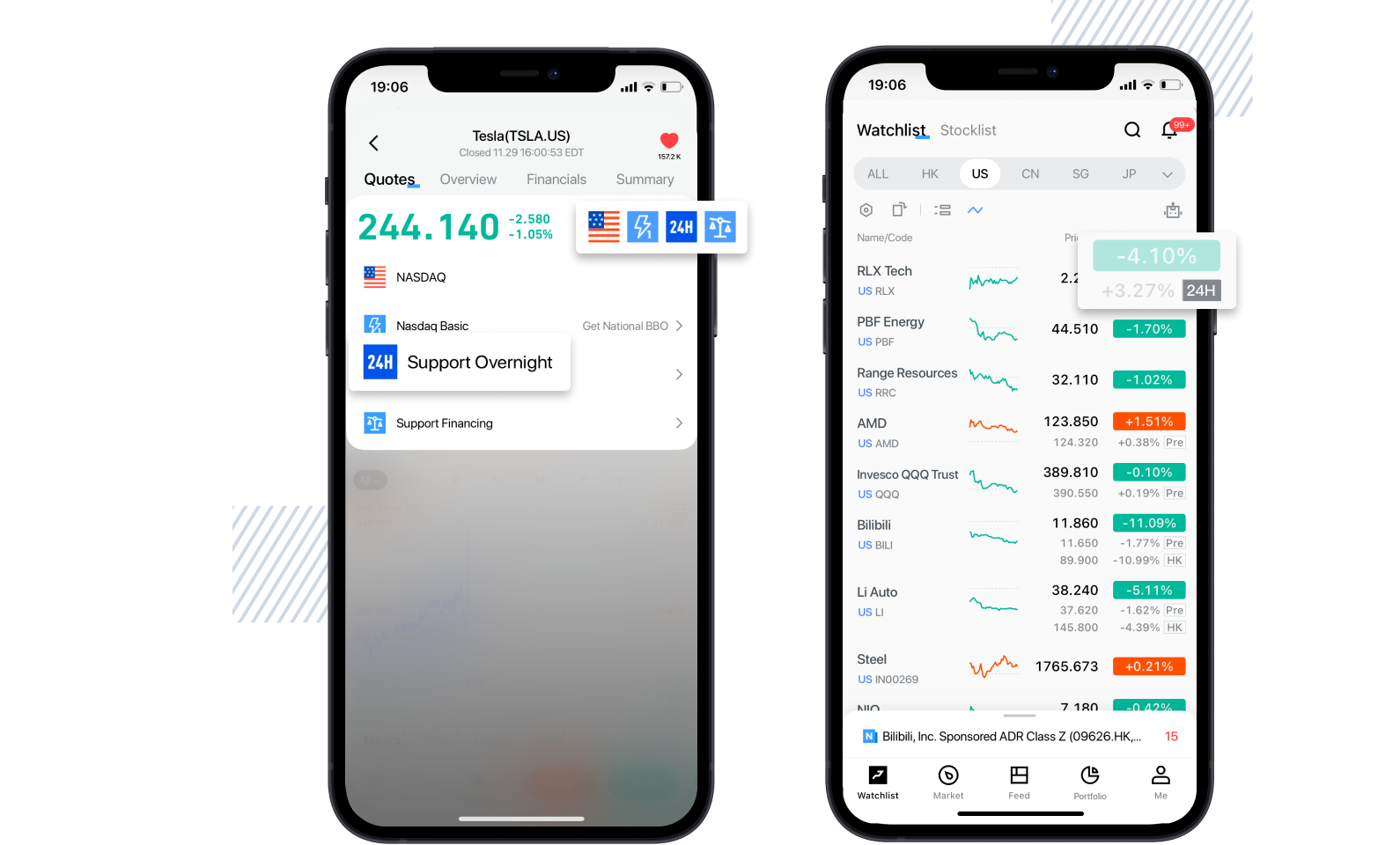
This constant availability can be both exciting and terrifying. On one hand, you can react to news or market movements instantly. On the other hand, the constant action can be overwhelming, and you can easily get caught up in the frenzy.
It's like being at a circus that never closes – always something happening, always something to see, and always a chance to lose your shirt (figuratively, hopefully!).
The Risks and Rewards: A Word of Caution
Trading outside of regular hours isn't all sunshine and rainbows. There are some very real risks to consider. Prices can be more volatile, meaning they can swing wildly up or down.
There's also less liquidity, which means it can be harder to buy or sell your shares at the price you want. Imagine trying to sell something at a garage sale at 3 AM – you might not find many buyers!
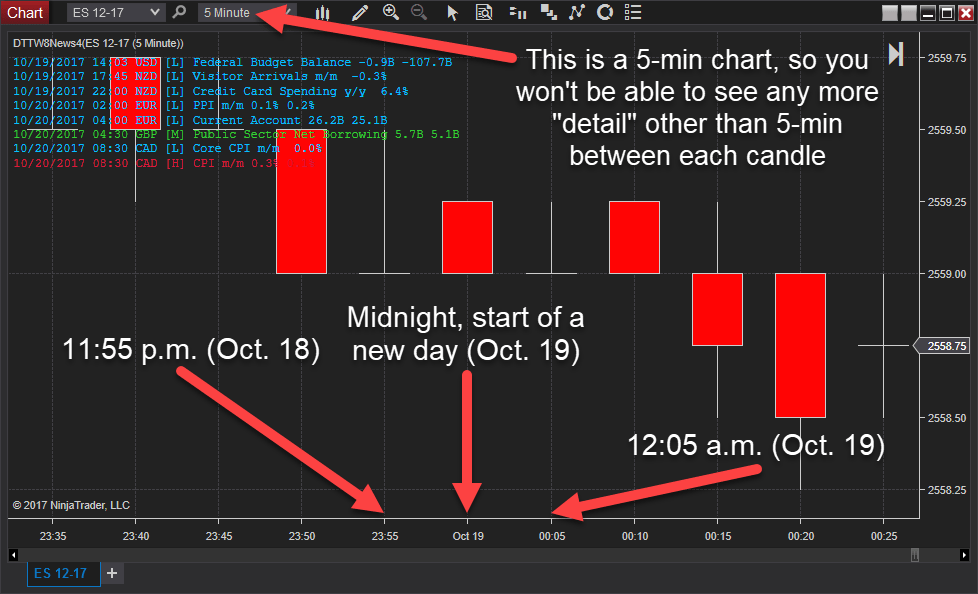
Spreads, the difference between the buying and selling price, can also be wider, costing you more money. Ultimately, it is important to understand the unique characteristics of trading outside of regular market hours.
Before You Trade at 3 AM: Do Your Homework
Before you jump into the 24/7 trading world, it’s crucial to do your homework. Understand the risks involved, and only trade with money you can afford to lose. Don't let the excitement of the constant market lull you into a false sense of security.
Consider talking to a financial advisor, especially if you're new to investing. They can help you assess your risk tolerance and develop a sound trading strategy.
Remember, just because you can trade at any time doesn't mean you should. Sometimes, the best investment decision is to simply sit back and wait.
The Future of Trading: Always On?
The trend towards 24/7 trading is likely to continue. As technology advances and the world becomes more interconnected, the demand for round-the-clock access to markets will only grow.

Whether this is a good thing or a bad thing is up for debate. Some see it as a way to democratize finance, giving everyone the opportunity to participate in the markets on their own terms.
Others worry that it will lead to increased volatility and more impulsive trading decisions. Only time will tell what the future holds for 24/7 trading, but one thing is certain: the world of finance is changing rapidly, and it's important to stay informed.
The Bottom Line: Trade Responsibly
The possibility of trading some stocks and other assets 24 hours a day is exciting, but it’s not for everyone. Approach it with caution, do your research, and never invest more than you can afford to lose.
Whether you're a seasoned trader or a complete beginner, remember that investing is a marathon, not a sprint. Don't let the allure of constant trading lead you to make rash decisions.
Ultimately, the key to success in the markets is to stay calm, stay informed, and stay responsible. And maybe, just maybe, avoid checking your portfolio at 3 AM!