
What State Has Been Hit By The Most Hurricanes
There's something undeniably captivating about hurricanes, isn't there? Perhaps it's the raw power of nature on display, the humbling reminder of forces far greater than ourselves. Or maybe it's the way we, as a society, band together to prepare, endure, and rebuild after these storms. Whatever the reason, many of us find ourselves following hurricane season with a mixture of awe, concern, and a morbid curiosity. We watch the swirling satellite images, track the projected paths, and discuss the potential impact with neighbors and friends.
Understanding which areas are most vulnerable to hurricanes isn't just about satisfying that curiosity; it's about practical knowledge. This information has far-reaching implications, influencing everything from urban planning and building codes to insurance rates and disaster preparedness strategies. Think about it: knowing which regions are statistically more likely to face hurricane-force winds helps communities invest in stronger infrastructure, develop effective evacuation plans, and allocate resources more efficiently. It also empowers individuals to make informed decisions about where they live, how they protect their homes, and what kind of insurance coverage they need.
We see the application of this knowledge everywhere. Coastal communities routinely practice evacuation drills, homeowners reinforce their windows and doors, and businesses develop continuity plans to minimize disruption during a storm. Government agencies use hurricane data to predict potential storm surges, issue timely warnings, and coordinate relief efforts. Even the entertainment industry gets involved, with documentaries and films depicting the devastation and resilience associated with these events.
Must Read
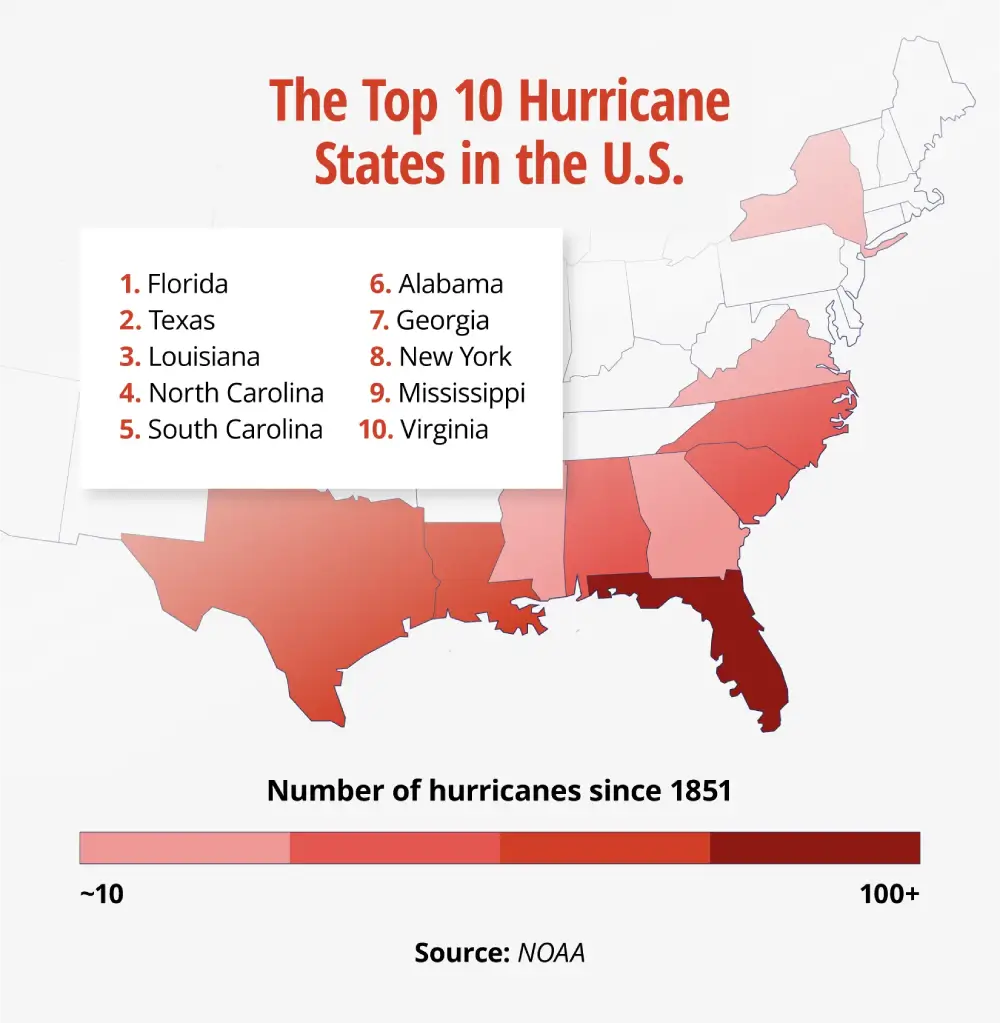
So, which state bears the brunt of these powerful storms? The answer, unequivocally, is Florida. With its extensive coastline jutting out into the warm waters of the Atlantic Ocean and the Gulf of Mexico, Florida is uniquely exposed to hurricanes. The state has been struck by far more hurricanes than any other, enduring hundreds of direct hits over the course of recorded history. From devastating Category 5 monsters like Hurricane Andrew to more recent threats like Hurricane Ian, Florida has seen it all. This unfortunate distinction highlights the critical importance of hurricane preparedness for the Sunshine State and its residents.
![The 10 States Hit Most Often by Hurricanes [2024]](https://rainbowrestores.com/us/en-us/rainbow-restoration/_assets/images/hurricane-damage-cost-by-state-rbw.webp)
Want to delve deeper into the world of hurricane tracking and preparedness? Here are a few tips to enhance your understanding and appreciation (while staying safe, of course!):
- Use reputable sources: Rely on official information from the National Hurricane Center (NHC) and local emergency management agencies. Avoid sensationalized reporting from unreliable sources.
- Understand the Saffir-Simpson Hurricane Wind Scale: Familiarize yourself with the different categories of hurricanes and the associated wind speeds and potential damage.
- Follow local news and weather reports: Stay informed about potential threats in your area and heed any warnings or evacuation orders.
- Explore historical data: Research past hurricanes to gain a better understanding of their impact and potential vulnerabilities in your community. You can find this on the NHC website.
- Participate in preparedness activities: Attend community workshops, review your family's emergency plan, and ensure you have a well-stocked disaster kit.
By understanding the science behind hurricanes and the risks they pose, we can not only appreciate their power but also take proactive steps to protect ourselves and our communities. While the intensity of these storms can be daunting, knowledge and preparedness are our most powerful tools in weathering the storm.
![The 10 States Hit Most Often by Hurricanes [2024]](https://rainbowrestores.com/us/en-us/rainbow-restoration/_assets/images/where-did-most-destructive-us-hurricanes-hit-rbw.webp)

