What Small Appliances Use The Most Electricity
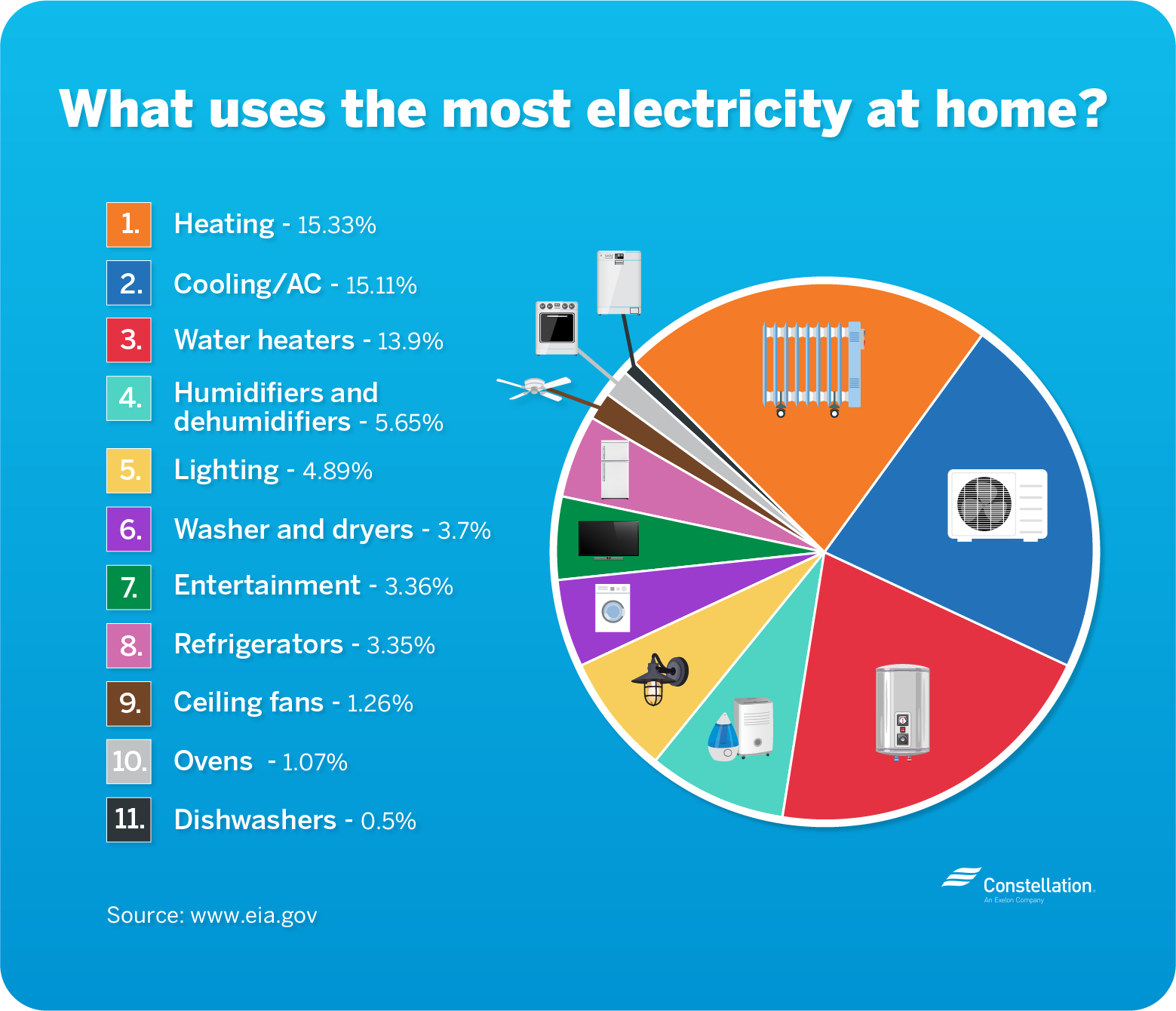
Let's face it, nobody really enjoys thinking about electricity bills. But understanding where your energy is going can be surprisingly empowering (pun intended!). Knowing which small appliances are the biggest energy hogs can help you make smarter choices, save money, and maybe even feel a little virtuous about reducing your carbon footprint. So, grab a coffee (brewed in a low-energy coffee maker, hopefully!) and let's dive into the electrifying world of small appliance power consumption.
The purpose of figuring out which appliances guzzle the most juice is simple: knowledge is power! Once you know what's draining your wallet, you can take steps to mitigate the damage. Maybe you'll decide to use that energy-intensive appliance less often, or perhaps you'll invest in a more energy-efficient model. The benefits are clear: lower electricity bills, a lighter environmental impact, and the smug satisfaction of being a savvy energy consumer.
Okay, so which small appliances are the culprits? Let's start with the usual suspects. Microwaves, despite their convenience, can be surprisingly power-hungry, especially older models. While they only run for short bursts, those bursts require a significant amount of electricity. Think about it: they're quickly heating food using electromagnetic radiation – that takes some serious energy!
Must Read
Next up, we have the toaster oven. These little guys are fantastic for reheating pizza or making a quick batch of cookies, but they use a lot of energy to generate heat. They're essentially mini-ovens, and ovens are notorious for being energy intensive. Using a toaster oven instead of your regular oven might save you some energy for small tasks, but keep an eye on how often you're firing it up.
And don't forget the coffee maker! While the brewing process itself doesn't take that much energy, many coffee makers have a "keep warm" function that continuously draws power to keep your java at the perfect temperature. Resist the urge! Turning off the coffee maker after brewing is a simple way to save energy. Better yet, invest in an insulated carafe to keep your coffee warm naturally.
Surprisingly, hair dryers and other personal grooming appliances like curling irons and hair straighteners can also be significant energy users. These devices use a lot of power to generate heat quickly. Try air-drying your hair when possible, or use lower heat settings to reduce energy consumption. Remember, every little bit helps!

Finally, consider small space heaters. These are incredibly useful for warming up a single room, but they are absolute energy hogs. They work by converting electricity directly into heat, a process that is inherently inefficient. If you're using a space heater, try to limit its use and only heat the room you're actively using. And make sure it's a newer model with safety features and energy-saving settings.
In conclusion, understanding the energy consumption of your small appliances is a worthwhile endeavor. By being mindful of how you use these devices, you can save money, reduce your environmental impact, and feel good about being a responsible energy consumer. So, power down, be aware, and enjoy the savings!