What Size Wire For 50 Amp Stove
Ever found yourself dreaming of a kitchen upgrade? Maybe a brand-new, shiny stove to cook up those amazing family meals or finally replace that old clunker? It's an exciting thought, but before you get lost in visions of gourmet dinners, there's a practical side to consider that's actually quite fascinating: What size wire do you need for a 50-amp stove?
Now, this might sound a bit technical, but trust me, understanding a few basics about your home's electrical system isn't just for electricians – it's incredibly useful, empowering, and frankly, a bit like being an electrical detective! It's popular because it touches on safety, efficiency, and the satisfaction of knowing how your home truly works.
So, who benefits from knowing this?
- For beginners, it's a fantastic entry point into understanding home electricity without getting overwhelmed. You'll learn why certain wires are thicker than others and grasp a fundamental safety principle.
- Families especially benefit. Knowing your stove has the right wiring ensures a safe cooking environment, preventing potential fire hazards and giving you peace of mind while preparing those holiday feasts. It's also crucial if you're planning a kitchen renovation and need to budget or communicate with contractors effectively.
- And for the budding hobbyists and DIY enthusiasts, this knowledge is gold! It means you can confidently assess situations, understand appliance requirements, and tackle certain projects with greater understanding (even if you ultimately decide to call in a pro for the actual wiring). It saves you money and empowers you to make informed decisions about your most used appliances.
Must Read
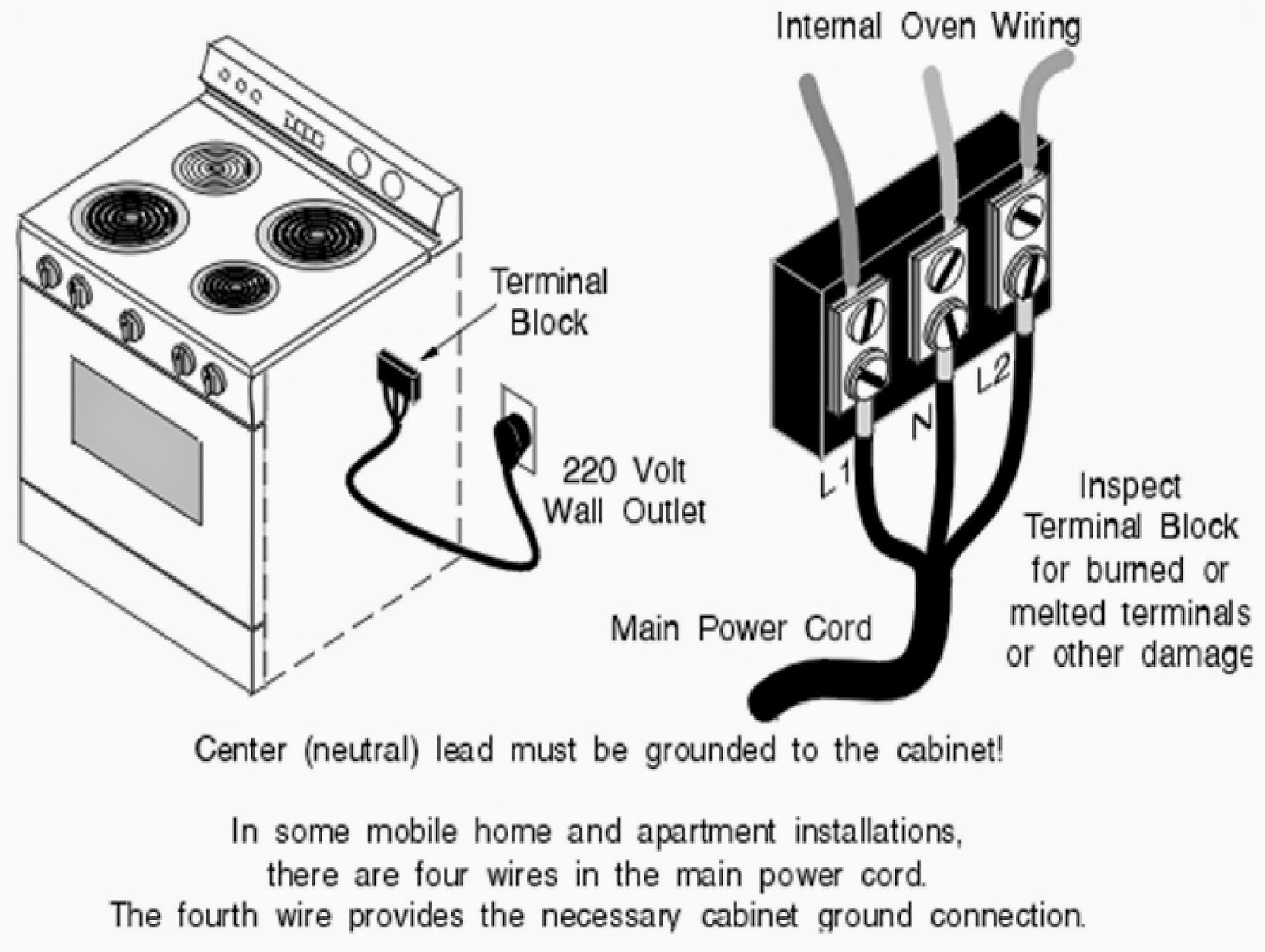
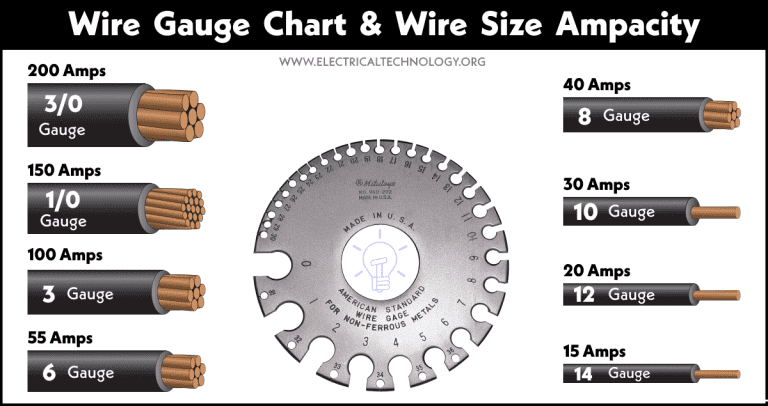
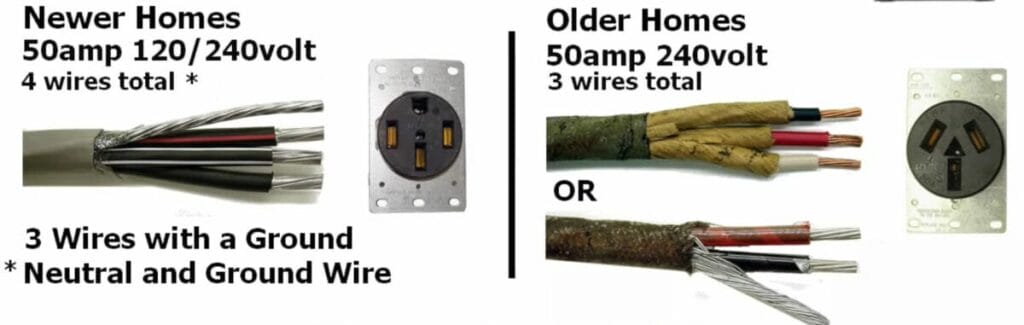
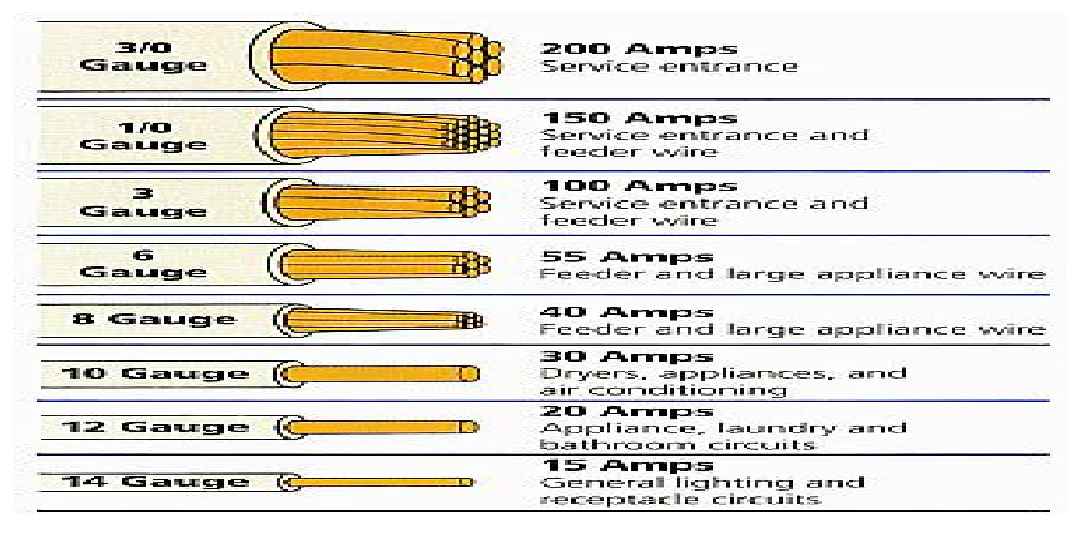
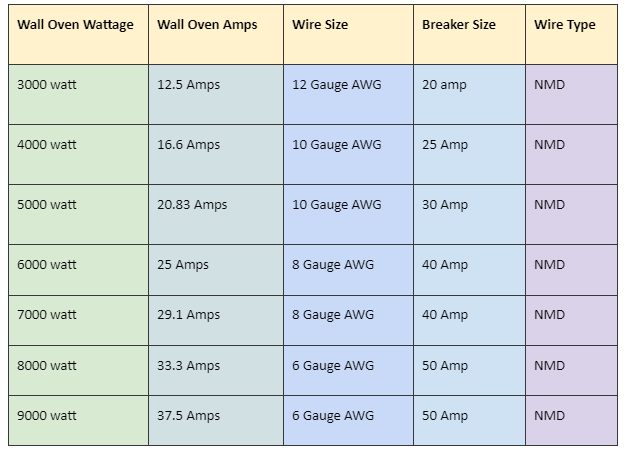
Let's get to the nitty-gritty. For a 50-amp electric stove, the general rule of thumb, according to electrical codes, is to use a #6 AWG copper wire. AWG stands for American Wire Gauge, and the smaller the number, the thicker the wire. Think of it like a highway: a wider highway (thicker wire) can handle more cars (amps) without getting jammed up (overheating). If you were using aluminum wire (which is less common and generally discouraged for this application due to connection issues), you'd typically need #4 AWG, as aluminum doesn't conduct electricity quite as efficiently as copper.
It's vital that the wire size matches your circuit breaker. So, if you're running #6 copper wire, you'll need a 50-amp circuit breaker in your electrical panel. This breaker acts as a safety switch, tripping and cutting power if too much current tries to flow, protecting your home and appliance from damage or fire.
Ready to get started on your electrical detective journey? Here are some simple, practical tips:
- Safety First, Always! Before touching any electrical wires or breakers, always turn off the power at the main breaker. Seriously, this isn't negotiable.
- Check Your Appliance Manual: While #6 copper for 50-amp is standard, always consult your specific stove's installation manual. It will clearly state its power requirements.
- Know Your Codes: Electrical codes (like the National Electrical Code in the US) are guidelines. Local jurisdictions can have their own specific requirements, so a quick search or call to your local building department is always a smart move.
- When in Doubt, Call a Pro: Understanding is empowering, but actual wiring can be complex. If you're not 100% confident, don't hesitate to hire a licensed electrician. Their expertise ensures safety and compliance.
Understanding what size wire you need for your 50-amp stove isn't just about a technical specification; it's about confidently knowing your home is safe and ready for all the delicious meals and memories you'll create. There's a real satisfaction in understanding the bones of your home, making you a more informed homeowner and a safer chef!