
What Size Wire For 30 Amp 220v
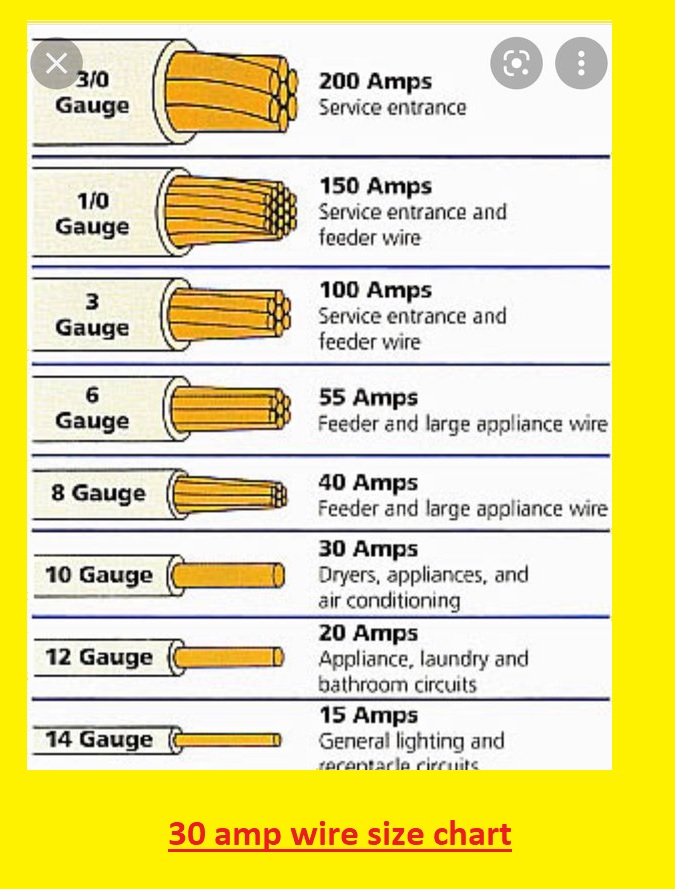
Picture this: you've finally got that dream electric vehicle charging station in mind, or perhaps a powerful new woodworking tool for your garage, maybe even an RV hookup for your wanderlust-filled adventures. Whatever the exciting project, it likely calls for a solid 30-amp, 220-volt connection. And with that, comes the million-dollar question that can sometimes feel like a riddle wrapped in an enigma: What size wire do I need?
Fear not, intrepid DIYer (or savvy planner!). We're here to unravel this electrical mystery with a splash of good vibes and zero head-scratching. Think of us as your friendly guide through the surprisingly fascinating world of copper and aluminum, making sure your power dreams don't turn into a fuse-blowing nightmare.
The Power Play: Why Wire Size Matters
Before we dive into the nitty-gritty numbers, let's talk about the "why." Imagine electricity flowing through a wire like cars on a highway. If you have too many cars (amps) trying to squeeze onto a narrow country lane (too small a wire), things get congested, slow down, and eventually, the road itself gets hot. In electrical terms, that "hot" translates to a serious fire hazard, tripped breakers, and inefficient operation. Nobody wants a meltdown, literal or metaphorical, when they're trying to charge their EV or power their table saw.
Must Read
The right wire size ensures your electrical current has a smooth, safe, and efficient journey from your circuit breaker to your appliance. It’s all about creating the perfect pathway for your electrons, allowing them to zip along without overheating the conductor or suffering from voltage drop (which basically means less power gets to your device, making it work harder and less effectively).
Drumroll, Please: The Answer for 30 Amp 220v
Alright, let's get to the brass tacks. For a typical 30-amp, 220-volt circuit, the general consensus and standard recommendation, especially under the watchful eye of the National Electrical Code (NEC), is:
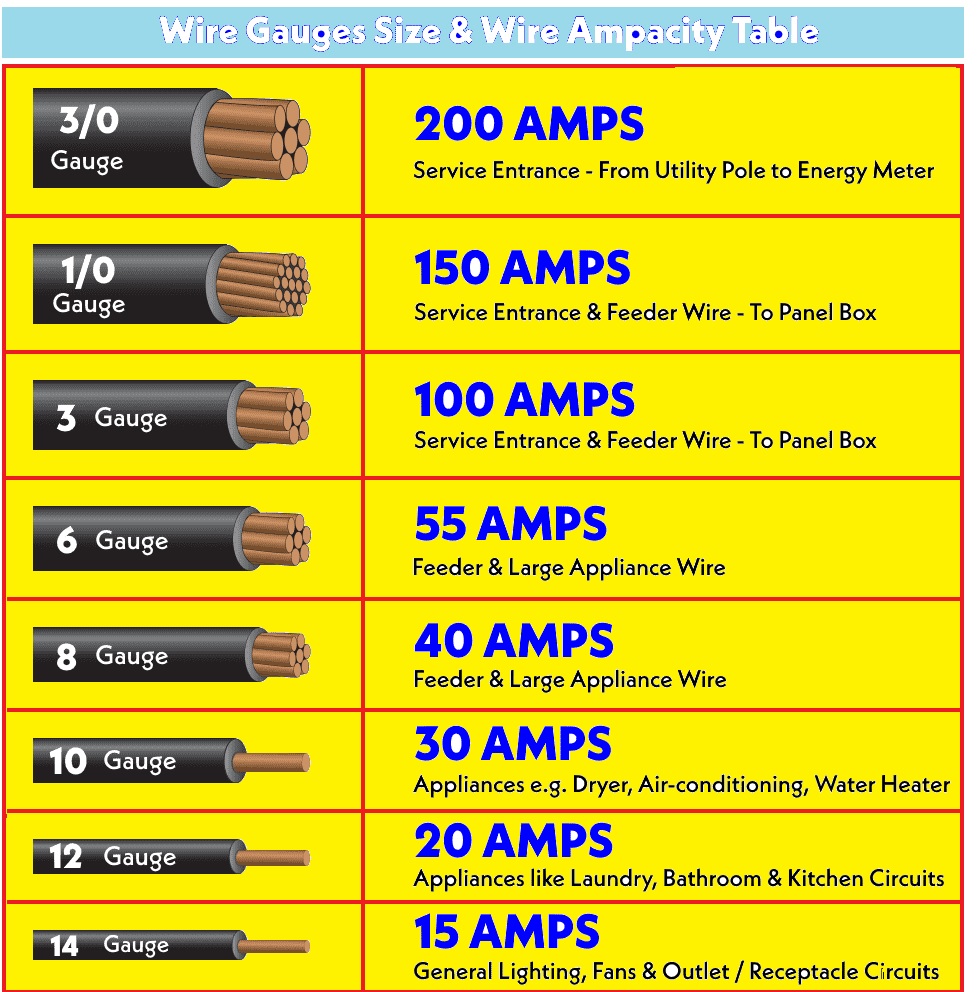
- For copper wire, you'll want 10 AWG (American Wire Gauge).
- If you're using aluminum wire (less common for this application but worth noting), you'd typically go for 8 AWG.
Most electricians and codes prefer copper for this application due to its superior conductivity and reliability, especially at these smaller gauges. Aluminum can be a bit more finicky, especially with connections, but it's generally cheaper for very large-gauge applications.
So, when you're browsing the aisles, look for that "10 AWG Copper" label like it's a treasure map leading to electrical bliss. Easy peasy, right?
A Quick Detour: Understanding AWG
Ever wondered what "AWG" actually means? It's a bit counterintuitive, so here's a fun fact: the smaller the AWG number, the thicker the wire. Think of it like a golf score – lower is better (thicker, stronger). So, 10 AWG is thicker than 12 AWG, which is thicker than 14 AWG, and so on. Thicker wires can handle more current, just like a wider pipe can handle more water flow. Makes sense when you think about it!

The Golden Rules & Practical Tips
While 10 AWG copper is your go-to, there are a few practical considerations that elevate you from a curious inquirer to an electrical wizard:
1. Always Check Local Codes: The NEC is the national standard, but local jurisdictions can (and often do) have their own specific amendments and requirements. Before you cut a single wire, a quick call or check with your local building department is a smart move. It's like checking the local rules of the road before a long drive – keeps everything smooth and compliant.

2. Consider Wire Insulation (THHN, NM-B, etc.): Not all 10 AWG wires are created equal. The insulation type matters because it dictates how much heat the wire can safely withstand and where it can be used (e.g., in conduits, in walls, dry locations). For a 30-amp circuit, THHN/THWN-2 insulation is common for individual wires in conduit, while NM-B (Romex) is often used for residential wiring within walls. Always match the insulation to your application and environment.
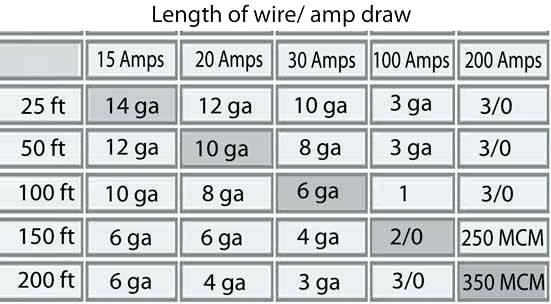
3. The "Go Bigger" Philosophy: When in doubt, it's almost always safer and smarter to go with a slightly larger wire than strictly required. For example, if your calculations are borderline, bumping up to 8 AWG copper for a 30-amp circuit offers an extra layer of safety and reduces voltage drop, especially for longer runs. Think of it as investing in future proofing – your electrical system will thank you.
4. Factor in Distance (Voltage Drop): For very long runs (say, over 50 feet), voltage drop becomes a more significant concern. Even with the correct wire size, a long distance can cause a drop in voltage, meaning your appliance gets less power. In such cases, stepping up to a thicker wire (e.g., 8 AWG copper for a 30-amp circuit) might be necessary to ensure optimal performance. This is where a little extra planning goes a long way.
5. When in Doubt, Call a Pro: Electrical work is serious business. If you're not 100% comfortable with the process, or if your project feels complex, don't hesitate to consult a licensed electrician. They're like the superheroes of circuits, ensuring everything is safe, up to code, and humming along perfectly.
A Little Reflection on the Current
Choosing the right wire size for your 30-amp, 220-volt dreams might seem like a small detail, but it's a foundational step for safety, efficiency, and peace of mind. Much like laying a strong foundation for a house, or making sure you have the right tires for your car, getting the electrical basics right ensures everything else runs smoothly.
In life, as in electrical wiring, taking the time to understand the fundamentals and not cutting corners often leads to the most reliable and rewarding outcomes. So, power on with confidence, knowing you're making smart choices for your home and your projects!