
What Size Standby Generator For 200 Amp Service
Alright, let's talk generators! Specifically, generators for that beefy 200 amp service you've got. Why? Because nobody likes being plunged into darkness. It's like a bad horror movie, except with melted ice cream instead of jump scares. Yikes!
Think of your 200 amp service like a highway. It's a superhighway for electricity! It feeds all your gadgets, gizmos, and power-hungry appliances. So, when the power goes out, you need a generator that can handle the traffic. No piddly scooter generator will do. We're talking serious horsepower here.
First things first: What are Amps Anyway?
Okay, quick electricity 101. Amps are like the volume of electrical flow. Volts are the pressure pushing it. Watts are the actual work being done. See? Easy peasy! 200 amps means you've got a lot of electrical flow potentially heading into your house.
Must Read
Want a weird analogy? Think of amps as the width of a pipe carrying water. More amps, fatter pipe, more water (electricity) flowing through. Got it? Good. Now forget it and let's move on!
So, What Size Generator Do I Need? The Million-Dollar Question! (Okay, Maybe a Few Hundred Dollars)
This is where it gets fun! There's no single, magical answer. It all depends on what you want to power during an outage. Do you just want to keep the fridge cold and binge-watch Netflix? Or are you planning to run the AC, the hot tub, and a welding shop simultaneously?
Most 200 amp panels have a main breaker, usually 200 amps. But remember, that's just the maximum capacity. You're probably not constantly using 200 amps, are you?

Here's the deal: Generators are usually rated in watts (W) or kilowatts (kW). We need to translate amps to watts to figure out the right size generator.
Here's the formula: Watts = Volts x Amps. Most homes in the US have 240 volts service. So, 200 amps x 240 volts = 48,000 watts, or 48 kW. Woah, that's a big number! Don't panic!
The Load Calculation: What Are You Actually Running?
You probably don't need a generator capable of running everything at once. That would be overkill (and expensive!). Instead, let's think practically. Make a list of essential appliances you want to keep running. Furnace? Refrigerator? Lights? Sump pump? CPAP machine?

Write down the wattage of each appliance. You can usually find this on a sticker on the appliance itself. Add up all the wattages. This is your estimated load.
Don't forget about starting wattage! Some appliances, like air conditioners and refrigerators, require a surge of power to start up. This starting wattage can be 2-3 times higher than the running wattage. Factor that in!
Pro Tip: Check the nameplate on your air conditioner compressor unit. That will list the LRA (Locked Rotor Amps) to calculate how much wattage is needed during startup. Don't guess!
Generator Sizing: Getting it Just Right
Okay, you've calculated your estimated load. Now, add a little buffer. It's always better to have a slightly larger generator than a generator that's constantly running at its limit. Aim for a generator that's rated at least 20% higher than your calculated load.
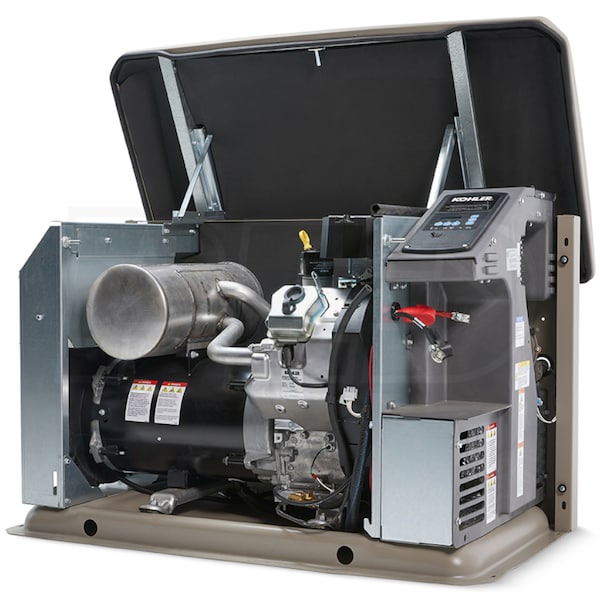
For a 200 amp service, many homeowners find that a 10kW to 20kW generator is sufficient for essential appliances. But again, this is just a general guideline. Your mileage may vary! It's all about your specific needs.
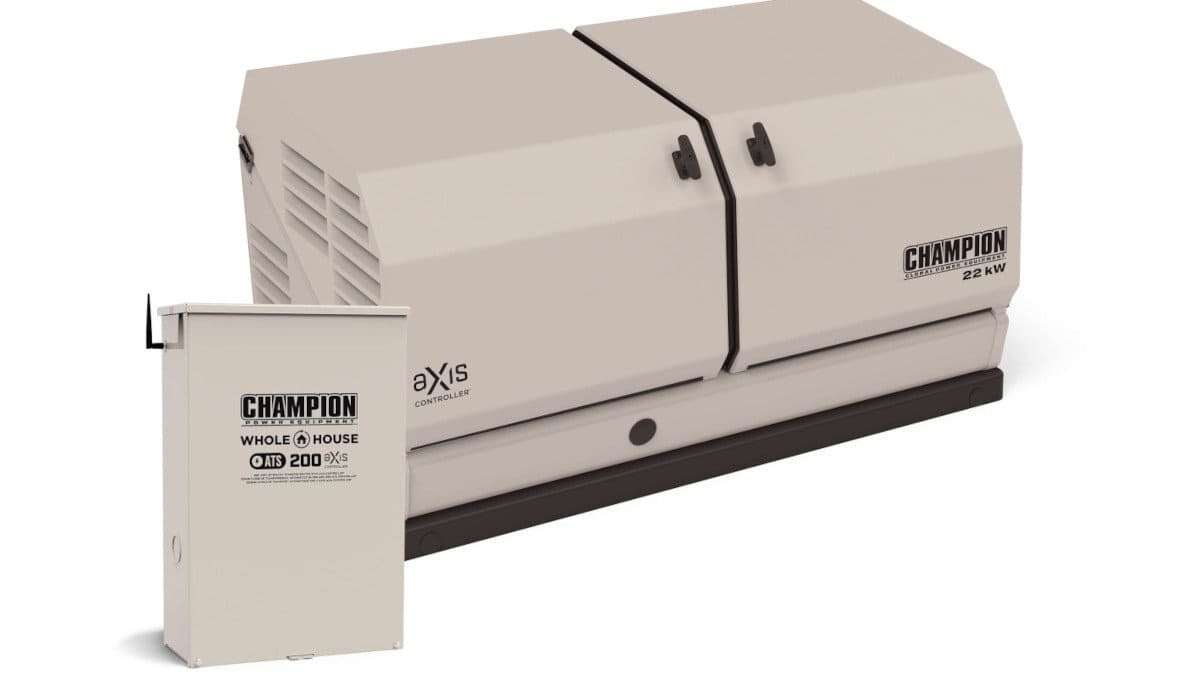
Consider a whole-house generator if you want complete peace of mind. These are typically larger (20kW and up) and can automatically kick on during a power outage. Think of them as a guardian angel for your electricity.

Portable vs. Standby: The Great Debate
Portable generators are cheaper and more flexible. You can take them camping! But they require manual setup and refueling. Standby generators are more expensive but offer seamless, automatic power. They're also permanently installed and connected to a fuel source (natural gas or propane). Decide what works best for you and your lifestyle.
Warning: Never run a generator indoors! Carbon monoxide poisoning is a serious risk. Always operate generators in a well-ventilated area, far away from windows and doors.
The Bottom Line
Choosing the right size generator for your 200 amp service isn't rocket science, but it does require some careful planning. Do your homework, calculate your load, and don't be afraid to ask for help from a qualified electrician. Nobody wants to be stuck in the dark with melted ice cream. Unless you're into that sort of thing. In that case, carry on!