
What Size Solar Panel To Charge A 12 Volt Battery

So, you’re thinking about ditching the grid a little, huh? Maybe you're dreaming of tiny house adventures, powering a quirky garden gnome that lights up at night, or just keeping your boat's battery happy while it's dreaming of the open sea. It all starts with this question: what size solar panel do I need to charge my 12-volt battery?
Fear not, intrepid energy adventurer! It's less complicated than you might think, and honestly, it can be kind of fun to figure out.
Understanding the Basics (Without the Headache)
Think of it like this: your 12-volt battery is like a hungry little energy piggy bank. It wants to be full, but you need to feed it electricity from the sun.
Must Read
Solar panels are like tiny sun-fueled chefs, diligently whipping up batches of electricity for your piggy bank.
Now, the size of the panel determines how big those batches are, and how quickly your piggy bank gets full. It's that simple!
Watt's Up?
The key term here is watts. Watts measure the power a solar panel can produce.
A higher wattage means more power generated, and a faster charge for your battery. Think of it as the chef using bigger pots and pans.
Most 12-volt batteries need a panel somewhere between 10 watts and 100 watts, depending on how quickly you want to charge them and how often you use the battery. It's a balancing act!
Finding Your Perfect Panel (It's Like Online Dating, But for Solar)
First, consider what you’re powering. A small garden light requires a much smaller panel than, say, a trolling motor on a fishing boat.
Knowing your energy needs is like knowing what kind of dates you're into before swiping right.
Next, think about sunlight. Sunny Arizona will be different from cloudy Seattle. Your solar chef needs a good supply of sunshine ingredients!

The Amp Hour Advantage
Now, let's talk about amp hours (Ah). This is how much energy your battery can store.
You'll find this number printed right on the battery itself. It's like knowing the piggy bank's total capacity.
A 100Ah battery can supply 1 amp of current for 100 hours, or 10 amps for 10 hours. Understanding this helps you calculate charging time.
The (Simplified) Calculation: It's Easier Than Balancing Your Checkbook
Here’s a super simplified formula: Watts = Volts x Amps. But don’t panic!
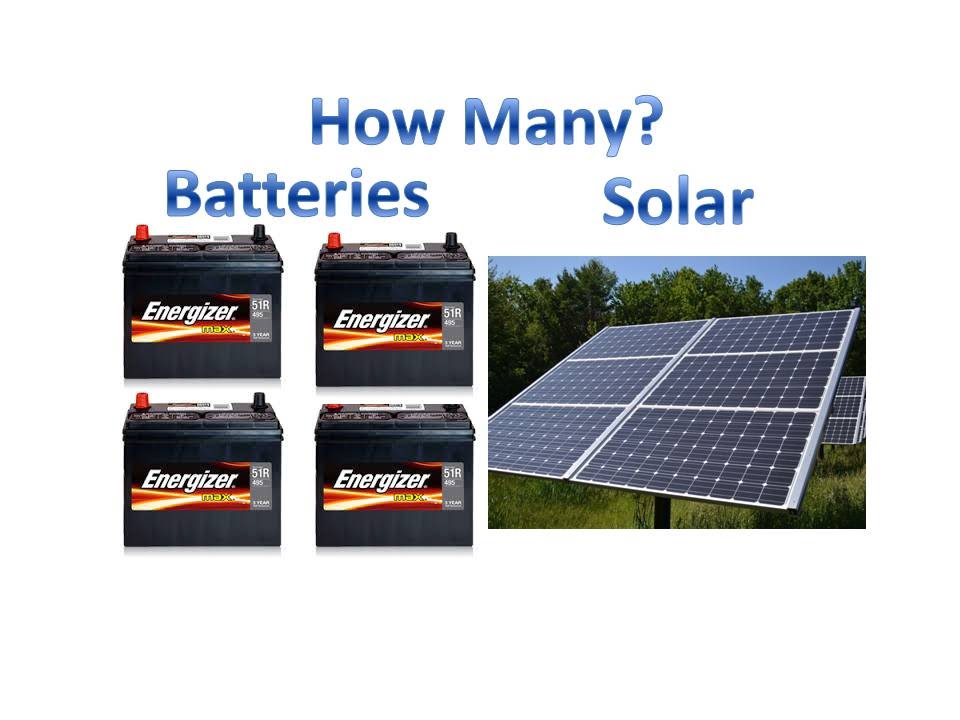
Let's say you have a 12-volt battery and you want to estimate how long it will take a 50-watt panel to charge it.
You'll also need to factor in "peak sun hours," which is the average number of hours of strong sunlight your location gets per day.
A 50-watt panel produces about 4 amps of current in full sunlight (50 watts / 12 volts = ~4 amps).
If your battery is a 50Ah battery and is completely dead, it will ideally take around 12.5 hours of full sunlight to charge (50Ah / 4 amps = 12.5 hours). But reality is always a bit different due to efficiencies.
Real-World Considerations (Because Nothing Is Ever Perfect)
Efficiency losses happen. Your solar chef isn't perfect; some energy gets lost in the cooking process.
Things like cloudy days, panel angle, and even the age of the panel can affect performance.
That's why it's always good to over-estimate slightly. A little extra solar power is better than not enough.
The Charge Controller: Your Battery's Best Friend
A charge controller is a vital piece of the puzzle. It prevents overcharging.
Think of it as a bouncer at the door of your piggy bank, making sure it doesn't get too full and explode with electricity.
It regulates the voltage and current coming from the solar panel, protecting your battery from damage.
Stories from the Solar Trenches
I once met a guy who used a tiny 10-watt panel to keep his RV's battery topped up while parked. He wasn't running the AC or anything, just keeping the fridge humming and the lights on.
He said it saved him a fortune on campground fees. He called it his "solar-powered sanity saver."
Then there was the woman who powered her entire off-grid cabin with solar. She started small, adding panels as her needs grew.
She said the best part was the quiet. No generator noise, just the gentle hum of the inverter and the occasional chirp of crickets.
Don't Be Afraid to Experiment (It's All Part of the Fun)
Start small! Get a basic setup and see how it works for you. Solar power is a journey, not a destination.
Monitor your battery voltage, track your energy usage, and adjust as needed. It’s like tuning an instrument until it sounds just right.
You might even discover a hidden talent for solar energy management!
The Joy of Free Energy
There’s something incredibly satisfying about harnessing the power of the sun. It feels good to be a little bit more independent.
Plus, you're doing your part to help the planet. Every little bit counts!
So, go forth and embrace the solar life! Your 12-volt battery (and your inner energy pioneer) will thank you for it.

Common Pitfalls to Avoid (Because We've All Been There)
Don’t buy the cheapest panels you can find. Quality matters, especially if you want them to last.
Ensure your wiring is properly sized and protected. Frayed wires and loose connections are a recipe for disaster.
Remember to clean your panels regularly. Dust, dirt, and bird droppings can significantly reduce their output.
Consulting the Experts (When You're Feeling Lost)
If you're feeling overwhelmed, don’t hesitate to consult a solar professional. They can help you design a system that meets your specific needs.
They can also ensure that your installation is safe and compliant with local regulations.
Think of them as your solar sherpas, guiding you through the mountain of information.
The Future is Bright (Literally!)
Solar technology is constantly evolving, becoming more efficient and affordable.
Who knows, maybe someday we'll all be powering our lives entirely from the sun. It's a bright thought, isn't it?
So, grab your multimeter, your screwdriver, and your sense of adventure, and get ready to harness the sun's energy. Your 12-volt battery awaits!