
What Size Solar Array Do I Need

Alright, let's talk sunshine! You're dreaming of turning those glorious rays into sweet, sweet electricity for your home, aren't you? It's a fantastic journey, and the first big question on everyone's mind is always: "How big does my solar system need to be?"
Think of it like buying a pair of shoes. You wouldn't squeeze your mighty feet into a toddler's slipper, right? And you probably don't need giant clown shoes for a walk in the park either. Solar arrays are much the same!
There's no one-size-fits-all magic number. Your ideal solar array size is as unique as your morning coffee order. It's a delightful blend of your home's needs, your lifestyle, and a few other sunny considerations.
Must Read
Let's dive into the fun factors that help us figure out your perfect solar match!
Your Home's Thirst for Power: The Energy Guzzler Gauge
This is probably the biggest piece of the puzzle. How much electricity does your home gobble up? Are you a tiny hummingbird sipping nectar, or a hungry grizzly bear devouring salmon?
To find this out, your best friend is your utility bill. Dig out those old statements – they're like ancient scrolls holding the secrets of your power consumption. Look for the kilowatt-hour (kWh) usage, typically listed monthly.
A good rule of thumb is to look at your usage over a full year. This helps average out seasonal changes. You might use more AC in the summer and more heating in the winter, so a year's snapshot gives the clearest picture.
Consider what's lurking in your home, constantly drawing power. That humongous fridge, the gaming PC that never sleeps, your marathon Netflix sessions – they all add up. Don't forget your trusty washing machine and your always-on Wi-Fi router.
Maybe you have a particularly thirsty appliance, like an electric vehicle. Charging an EV can add a significant chunk to your energy bill. Or perhaps you've got a sparkling swimming pool with a powerful pump.

Think about how many people live in your house. A solo artist in a cozy studio will obviously use less than a bustling family of five with teenagers who love long showers and even longer screen times. More people often means more gadgets and more power demand.
Are you a night owl who loves all the lights on? Or an early bird who uses natural light until sunset? These habits play a surprisingly big role in your monthly kWh total. Every little bit counts!
So, grab those bills and highlight your average monthly usage. This number is your starting point, your solar quest's Rosetta Stone.
Your Roof: The Solar Canvas
Next up, let's talk about your roof. Is it a sprawling ballroom just begging for solar panels, or more of a cozy broom closet? The amount of available, unshaded roof space is super important.
Solar panels love direct sunlight, so a south-facing roof is often ideal. However, east and west-facing roofs can also be fantastic, especially if you want to capture morning and afternoon sun to extend your self-sufficiency.
Are there any pesky trees casting long shadows? What about tall chimneys or other obstructions? Shading can significantly reduce a panel's output, so we want to find the sunniest spots possible.
The pitch of your roof also plays a role. While most roofs are perfectly fine, an extremely flat or extremely steep roof might require special mounting solutions. Don't worry, solar installers are like roof-whisperers, they've seen it all!
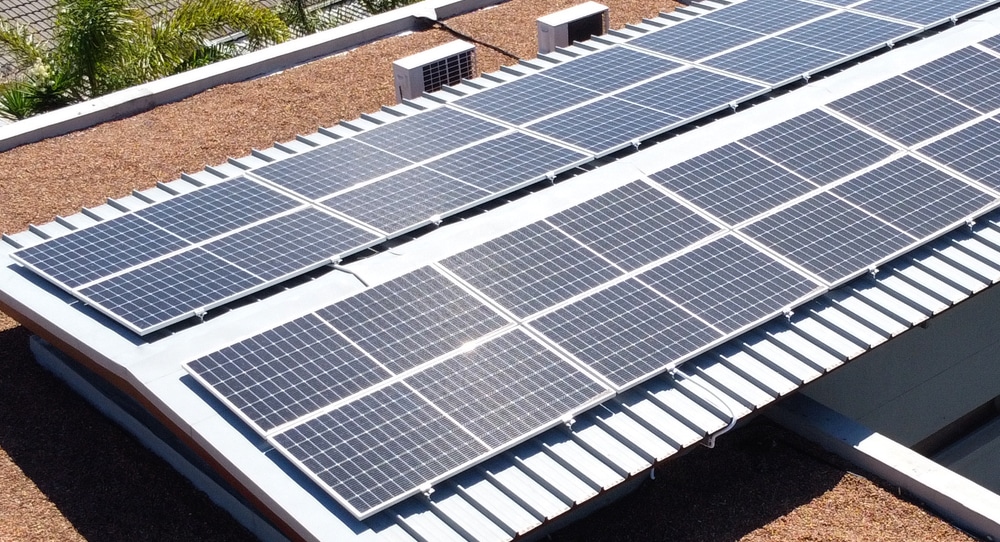
A professional solar designer will assess your roof's geometry, orientation, and any potential shading. They’ll sketch out the perfect layout to maximize your solar harvesting potential. It's like a tailor-made suit for your house!
Sometimes, if roof space is limited, you might consider ground-mounted arrays. Imagine a mini solar farm in your yard – perfect if you have the land and want to optimize for maximum sun exposure without roof constraints.
"Your roof isn't just a hat for your house; it's a potential power plant!"
Sunshine Hours: Where in the World Are You?
This might seem obvious, but it's crucial! A home in sunny Arizona or Florida will naturally generate more electricity from the same number of panels than a home in, say, a perpetually cloudy region. More sunshine equals more juice!
Each region has an average number of "peak sun hours" per day. This isn't just the time the sun is up, but the hours when the sun's intensity is strong enough for optimal solar production.
Even within states, microclimates exist. Is your home in a valley that gets morning fog? Or on a hilltop that enjoys uninterrupted sunshine? These nuances contribute to your system's overall efficiency.
Your solar installer will use this local data to accurately predict how much power your system will generate. It's science, but the kind of science that makes you smile!
Your Budget: The Realistic Rung on the Ladder
Let's be real, budget is always a factor. While solar is a fantastic investment, there are upfront costs involved. You might dream of completely eliminating your electric bill and selling power back to the grid, but your budget might dictate a slightly more modest approach.
However, don't let budget fears stop you! There are numerous financing options, incentives, and rebates that can make solar surprisingly affordable. Think of it as investing in your home's future and your planet's health.
You might decide to install a system that covers 70-80% of your energy needs initially, and then expand later. Solar is modular, so you can often add more panels down the line if your budget and needs change.
The key is to find that sweet spot where your investment provides significant savings without breaking the bank. It's about smart choices, not just big ones. Think value, not just volume.
The Goldilocks Principle: Not Too Big, Not Too Small, Just Right
So, you've gathered your data. Now, let's aim for that "just right" size. If your system is too small, you won't offset enough of your energy bill, and you might feel a bit disappointed. It's like trying to fill a bathtub with a thimble!
On the flip side, going ridiculously oversized might mean paying for panels you don't truly need. While some states offer generous net metering (where the utility buys back your excess power), it's generally best to size your system to meet your historical usage plus a little extra for future needs.
A common strategy is to aim for 100% (or slightly more) of your current annual electricity usage. This way, you essentially wipe out your electric bill, paying only basic connection fees to your utility.
What about future plans? Are you thinking of getting an electric car in the next few years? Perhaps adding a hot tub? Or maybe that new home office will involve more screen time. It's smart to build in a little wiggle room for growth.
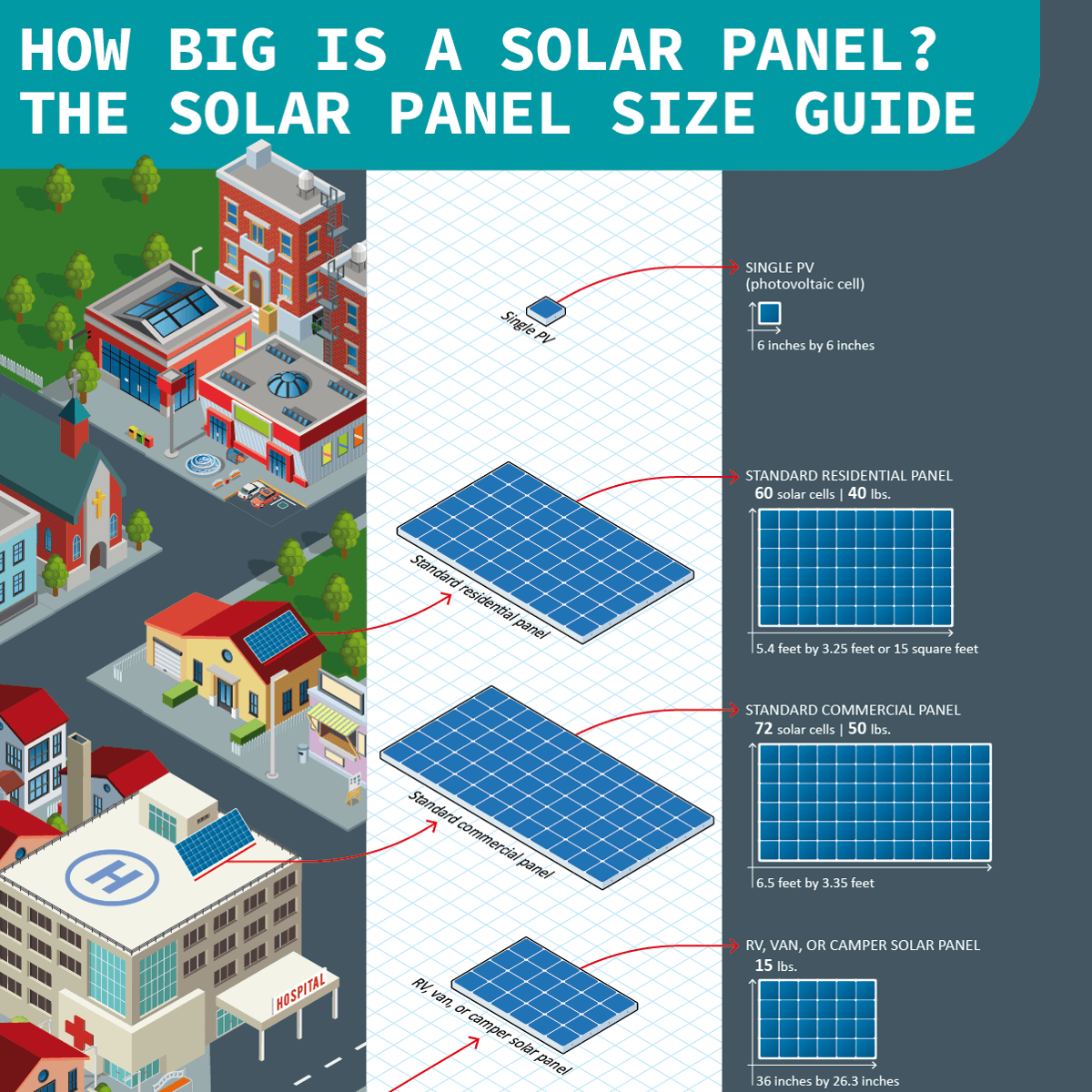
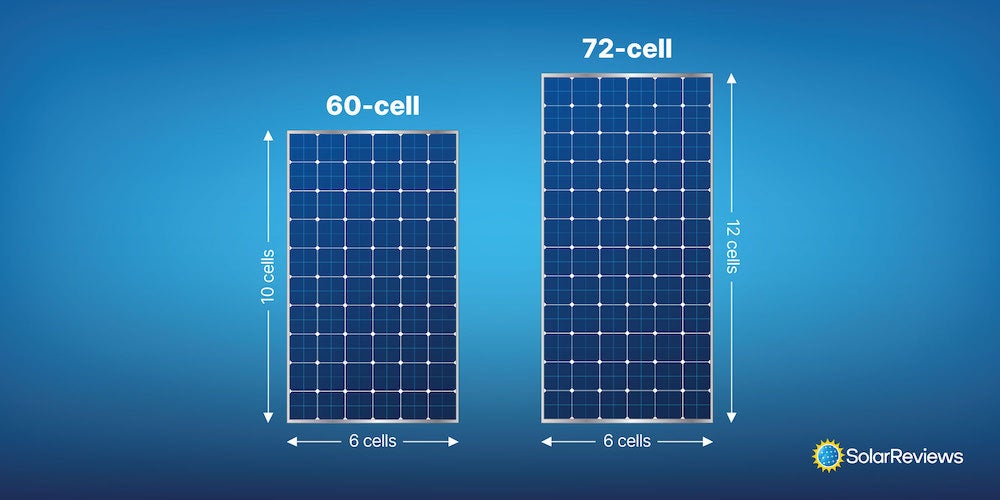
Adding a couple of extra panels to accommodate future needs is often a wise decision. It’s cheaper to do it all at once than to expand later. Future-proofing your system saves you hassle and money down the road.
"Solar power is about freedom, and the right-sized system gives you the ultimate energy independence!"
What's Next? Let the Experts Guide You!
Feeling a bit overwhelmed by all these factors? Don't be! This is where the magic of a professional solar installer comes in. They are like personal energy consultants, ready to demystify the process.
They'll take your utility bills, assess your roof, consider your local sun patterns, and discuss your budget and future plans. Then, they'll design a custom system just for you.
They'll present you with a clear proposal, showing you the system size, the estimated power generation, and the financial benefits. You'll see how much you'll save and how quickly your investment will pay for itself.
Getting a few quotes from different reputable companies is always a smart move. Compare their designs, equipment, warranties, and pricing. You want to feel confident in your choice, just like picking the perfect pair of shoes.
So, take that first exciting step! Reach out to a solar professional. They're ready to help you unlock the power of the sun and transform your home into a clean energy powerhouse.
Embrace the solar revolution! It's an empowering, planet-friendly, and surprisingly easy way to take control of your energy future. Get ready to watch those meters spin backward and feel the warm glow of energy independence!