
What Size Of Wire For 30 Amp
Ever looked at a jumble of wires behind your TV or in your garage and felt a bit like you were staring at a plate of electrical spaghetti? Don't worry, you're not alone! Electricity can seem like magic, but understanding just a tiny bit of it – like knowing the right wire size for the job – can save you a heap of headaches and keep your home safe and sound. Today, we're going to demystify one common question: "What size of wire for 30 amp?"
Imagine you're hosting a big backyard barbecue. You've got the grill fired up, the music pumping, and the kids are playing with a giant inflatable slide. Now, imagine trying to fill that inflatable slide with a tiny little garden hose. It would take forever, right? And the hose itself might even get pretty hot and stressed from all that pressure trying to squeeze through a tiny opening!
The Big Question: 30 Amps, What Wire?
That's kind of what happens with electricity. When we talk about "amps," we're talking about how much electricity is flowing, like the volume of water through your hose. A 30-amp circuit is designed to handle a good amount of power – enough for things like clothes dryers, water heaters, or even some larger air conditioning units. You definitely don't want to skimp on the hose (the wire!) for those big jobs.
Must Read
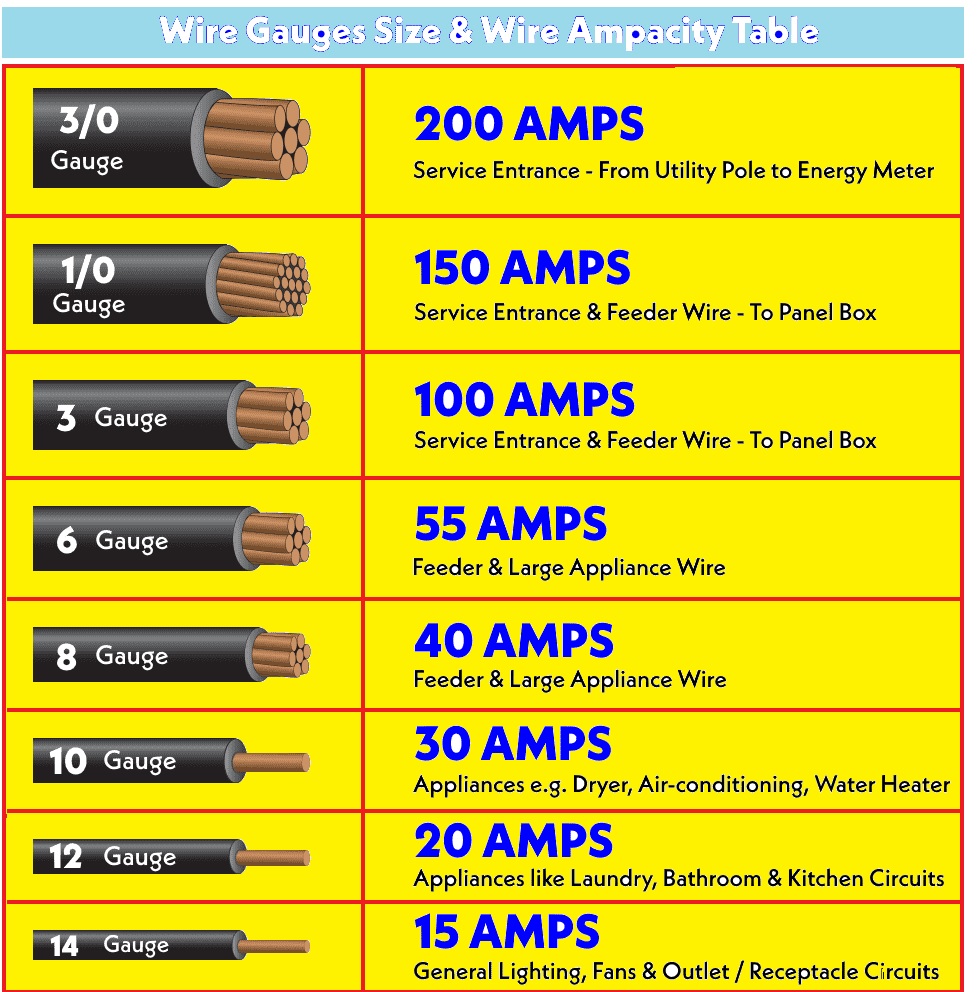
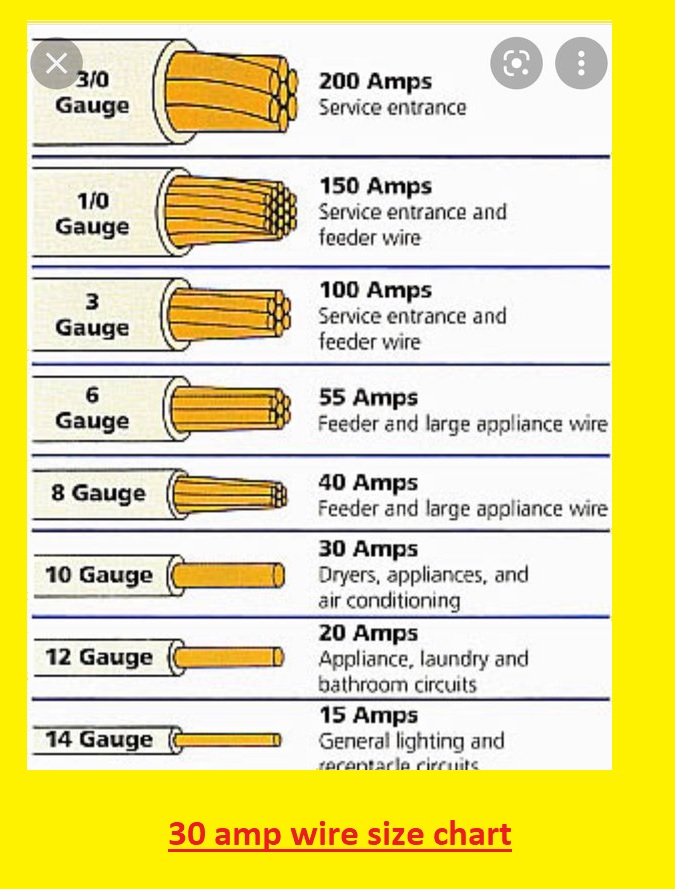
So, let's get right to it for common household uses under typical conditions. For a 30-amp circuit, you'll generally be looking at a #10 AWG copper wire.
What's "AWG," you ask? It stands for American Wire Gauge, and it's basically a fancy way of numbering wires. Here's the quirky bit: the smaller the number, the bigger the wire! So, a #10 wire is thicker than a #14 wire. Think of it like golf scores – lower is better (or in this case, thicker).

Why Does Size Really Matter? (It's More Fun Than It Sounds!)
This isn't just about following rules; it's about keeping your home happy and healthy.
Preventing the "Hot Wire" Hazard
Using a wire that's too small for the amount of electricity flowing through it is like trying to force a thick smoothie through a skinny coffee stirrer. The smoothie (electricity) struggles, creating friction and, you guessed it, heat! That heat can melt the wire's insulation, potentially cause a short circuit, or even worse, a fire. Nobody wants their home to have a "bad hair day" that ends in smoke.
Keeping the Lights On (and the Breaker Happy)
Your electrical panel has a superhero called a circuit breaker. Think of it as a bouncer at a nightclub. If too many people (amps) try to cram into a small club (wire) that can't safely hold them, the bouncer (breaker) steps in and says, "Nope! Party's over!" and flips off the power to prevent chaos. If you're constantly tripping breakers, it might be a sign that your wire is too small, and the bouncer is just doing its job.

Efficiency & Your Wallet
When electricity has to fight its way through a too-small wire, it's like running a marathon in quicksand. It takes more effort, and some of that energy gets wasted as heat. This little bit of wasted energy can add up on your electricity bill over time. Using the right size wire ensures your appliances get the power they need efficiently, like a smooth ride on a wide-open highway.
A Quick Look at Copper vs. Aluminum
While we mainly talk about copper for residential wiring (it's a great conductor and very reliable), you might hear about aluminum wire too. For 30 amps, if you were using aluminum, you'd typically need a #8 AWG aluminum wire. Aluminum isn't as good a conductor as copper, so it needs to be thicker to carry the same amount of electricity safely. For most DIYers, sticking with copper for these smaller circuits is usually the simpler and safer bet.
Not So Fast! A Few Wrinkles in the Wire
The world of electricity isn't always a straight line. A few things can make that #10 copper wire recommendation shift:
- Hot Spots: If your wire run is in a super hot attic or an area where temperatures regularly soar, the wire can't cool down as easily. This might mean needing a slightly larger wire (like a #8) to compensate for the heat.
- Long Distance Relationships: Just like trying to shout across a football field, electricity loses a bit of its oomph over long distances. If your 30-amp circuit is running a really long way (say, across a huge workshop or to a detached garage), you might need to bump up the wire size to a #8 or even #6 to prevent "voltage drop" – meaning the appliance at the end isn't getting full power.
- Continuous Loads: Is your appliance going to be running for hours and hours, like a water heater? Or is it more of a short-burst kind of thing, like a power tool you use for 15 minutes? For continuous loads (running for 3+ hours), safety codes often require you to size the wire a bit larger, typically to 125% of the load. This is where things can get a tad technical.
When in Doubt, Ask a Pro!
While understanding these basics is super empowering, electricity is not something to mess around with if you're not 100% confident. If you're planning a new circuit or upgrading an old one, especially for those bigger 30-amp appliances, it's always, always best to consult a qualified electrician. They'll know the local codes, factor in all the little nuances, and ensure everything is installed safely and correctly. Think of them as the electrical Yoda – wise and full of helpful advice!
Wrapping Up Our Electrical Chat
So, there you have it! For most typical 30-amp circuits in a home, #10 AWG copper wire is your go-to friend. Understanding why that size matters – for safety, efficiency, and keeping those pesky breakers from flipping – helps turn that confusing electrical spaghetti into a clear, understandable pathway. Stay safe, stay curious, and give your home the power it deserves!
