
What Size Light Bulb Do I Need

Ever stood in the lighting aisle, utterly bewildered? You're not alone, friend! Choosing a light bulb used to be simple, right? "Just grab a 60-watt!" But now? It's a whole new galaxy of numbers and letters. Don't sweat it! We're diving into the quirky, fun world of light bulbs. Prepare to become a bulb wizard!
It's Not About Watts Anymore!
Forget watts! Seriously, poof! Watts told you how much energy a bulb used. Think of it like your car's fuel consumption, not how bright its headlights are. A 100-watt incandescent bulb was bright, sure, but it also got hot enough to fry an egg (please, don't try this at home!). It guzzled energy like a thirsty monster.
LEDs changed everything. Now, a super-efficient LED can give you the same brightness as that old 100-watt bulb, but only use a fraction of the energy. Mind-blowing, right? So, if watts aren't telling us brightness anymore, what is? Good question!
Must Read
Lumens: Your New Best Friend!
Enter lumens! This is your new best friend in the lighting world. Lumens measure actual brightness. Pure, unadulterated light output. Want a bright kitchen for chopping veggies? Aim for more lumens. Cozy bedroom for winding down? Fewer lumens. It's that simple!
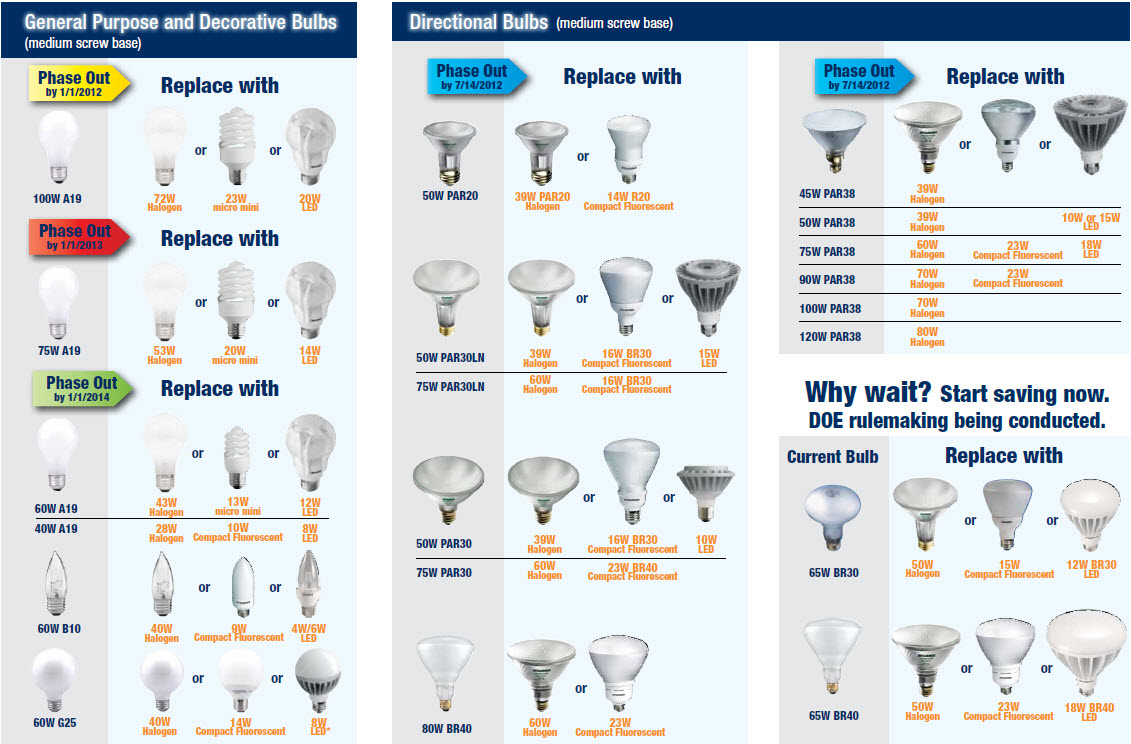
Think of it like this: a garden hose's diameter is like watts (how much water it can handle), but the actual flow of water is like lumens (how much water comes out). For reference, that classic 60-watt incandescent bulb you remember? It typically gave you about 800 lumens. Most LED packaging will proudly tell you what old wattage it replaces, so it's not a total shot in the dark.

The Physical Size of the Bulb!
Okay, so you've got your lumens sorted. But wait! There's a whole circus of shapes out there. This isn't just for looks; it's about fitting in! You've got your classic A19 (the standard pear-shaped guy, the most common light bulb shape you picture). Then there are slender B-types or CA-types, often with a little flame tip, perfect for those fancy chandeliers or delicate sconces.
Trying to squeeze a big A19 into a tiny fixture? Trust me, it's like trying to fit a square peg in a round hole – hilarious to watch, frustrating to do! There are globe-shaped G-types, reflector R-types, and even tiny MR-types for focused light. Each has its own personality, its own perfect spot in your home's lighting drama.
The Base: E Is For Edison (Mostly)!
Now, let's talk about the bulb's feet: the base. This is where it connects to power. The most common? The Edison Screw base, lovingly named after our pal Thomas. In North America, you'll mostly see E26 (the standard medium size) and E12 (the smaller 'candelabra' size, often on those B-type bulbs). The "E" stands for Edison, and the numbers refer to the diameter in millimeters. E26? 26mm. E12? You guessed it! Imagine the tiny hands needed to screw in those first E12s!
There are also twist-and-lock bases like GU10 for spotlights, or two-pin G4 bases for specialty lights. Fun fact: the screw thread for light bulbs was invented by Edison in 1909! Pretty neat, right? Always double-check your fixture; a mismatched base is a guaranteed 'uh-oh' moment. No one wants a bulb that just sits there, unconnected and unlit!
Color Temperature: Are You Feeling Warm or Cool?
Ready for some mood lighting science? Light isn't just bright or dim; it has a color temperature, measured in Kelvin (K). This dictates the feel of the light. Lower Kelvin numbers (2700K-3000K) are warm white, giving off that cozy, yellowish, traditional incandescent glow. Think snuggly evenings, relaxed vibes, and candlelight dinners.
Higher numbers (4000K-5000K) are cool white or daylight, offering a crisper, bluer light. This is perfect for tasks, offices, garages, or anywhere you need to be focused and alert! Ever put a cool white bulb in a cozy reading nook? It feels... clinical. Like you're about to perform surgery, not curl up with a good book. Choose your Kelvin wisely, friend, it can totally transform a room's atmosphere!

Dimmable or Not Dimmable? That Is The Question!
Ah, the dimmer switch! A magical little device for setting the perfect ambiance. But here's a crucial tip: not all bulbs are dimmable. If you try to dim a non-dimmable LED bulb, you might get flickering, buzzing, or even a sudden, dramatic poof. It's like asking a cat to fetch – it could happen, but it's probably going to end badly, with a lot of attitude.
Always look for the 'dimmable' label if your fixture uses a dimmer. Sometimes it’s a little symbol, other times it's spelled out. Your ears (and your wallet) will thank you when your bulb quietly dims to perfection instead of making a fuss.
Let's Get Specific: Common Bulb Types!
Here’s a quick roll call of some bulb personalities you'll encounter:
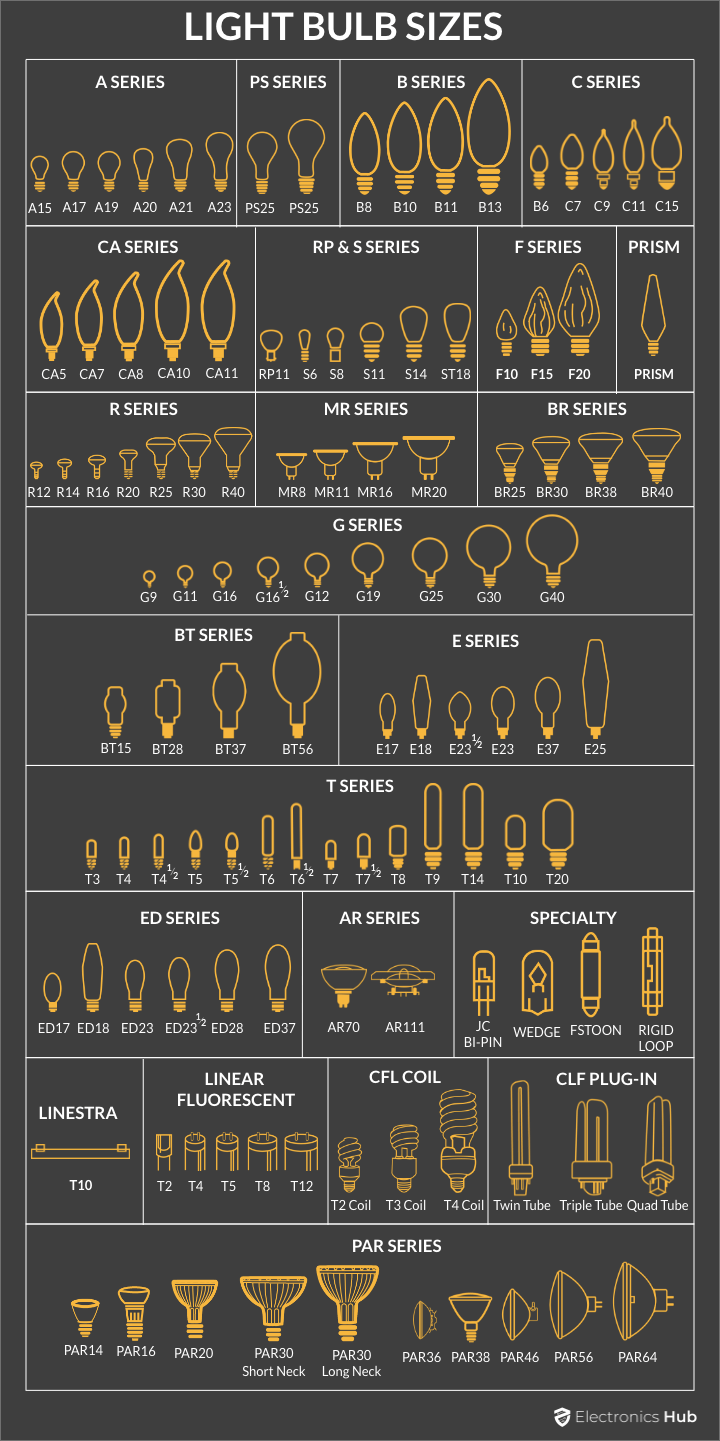
- A19: The classic "general purpose" bulb. Your go-to guy for most lamps.
- BR30/BR40: "Bulged Reflector." These are wider, often found in recessed can lights. They fill the space nicely with a broad beam.
- Candelabra (B, CA): Those slender, often flame-tipped beauties for chandeliers or decorative fixtures. Very elegant!
- PAR20/PAR30/PAR38: "Parabolic Aluminized Reflector." Think spotlights and floodlights. They project light with intense focus, great for accenting art or outdoor security. They mean business.
- MR16: "Multifaceted Reflector." Small, often low-voltage, good for track lighting or desk lamps. Precision light in a tiny package!
Your Bulb-Hunting Cheat Sheet!
So, before your next bulb-hunting adventure, here's your super-speedy cheat sheet. Keep these five things in mind, and you'll be golden:
- Lumens: How bright do you need it? (e.g., 800 for a 60W equivalent).
- Shape & Size: Will it physically fit? (A19, BR30, Candelabra?).
- Base: Does it screw in? (E26, E12, GU10?).
- Color Temperature: Warm, cool, or daylight? (2700K, 4000K, 5000K?).
- Dimmable: Yes or no, if you have a dimmer?
It sounds like a lot, but once you know these five things, you're practically a lighting guru!
Who knew light bulbs could be so much fun, right? From humble beginnings to a dazzling array of choices, understanding your bulbs can truly transform your home and mood. So next time you're in that aisle, armed with your newfound wisdom, give a little nod to Thomas Edison. And maybe, just maybe, try not to confuse your lumens with your candelabras. Happy lighting, friend!