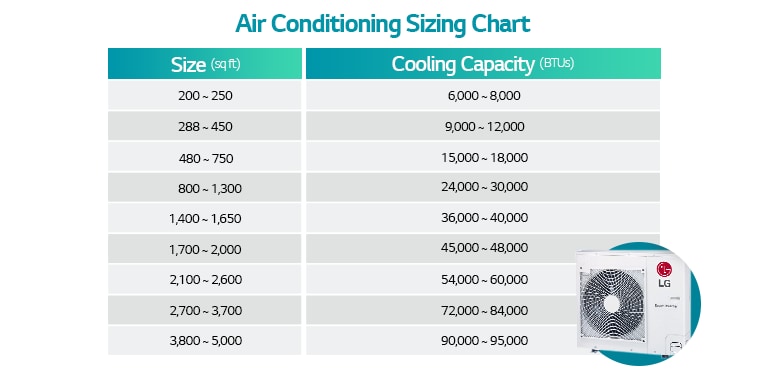
What Size Heating And Cooling System Do I Need

Okay, let's talk about something that affects us all, especially when the weather's being dramatic: our home's heating and cooling system. Think of it as your home's personal weather regulator. But how do you know if you've got the right size? It's not as simple as "bigger is better," trust me!
Why Size Matters (And Why You Should Care!)
Imagine wearing shoes three sizes too big. You'd be tripping all over the place, right? Or squeezing into a tiny shirt that's way too small? Uncomfortable! The same goes for your HVAC system. A system that's too powerful wastes energy, cycles on and off too frequently (think of it like a hyperactive puppy!), and can leave your home feeling unevenly heated or cooled. A system that's too weak? You'll be shivering in winter and sweating in summer, wishing you lived in a walk-in freezer (or maybe a sauna, depending on the season).
Beyond comfort, getting the right size is about saving money. An oversized system guzzles energy, leading to higher utility bills. A system constantly struggling to keep up will wear out faster, meaning expensive repairs and replacements down the line. So, paying attention to sizing is a win-win for your wallet and your comfort levels.
Must Read
The Goldilocks Zone: Finding the "Just Right" Size
So, how do we find that "just right" size? It's not about guessing! Professionals use a process called a Manual J load calculation. Don't let the fancy name scare you. It's essentially a math problem that takes into account a bunch of factors specific to your home.
Think of it like this: baking a cake. You wouldn't just throw in random amounts of ingredients, would you? You follow a recipe that considers the size of the cake pan, the oven temperature, and so on. A Manual J calculation does the same for your home's heating and cooling needs.
What Factors Affect the "Recipe"?
Here's a glimpse at some of the ingredients that go into the Manual J recipe:
- Square Footage: This is the obvious one. A bigger house needs a bigger system. But it's not the only factor!
- Insulation: Think of insulation as your home's cozy sweater. Good insulation keeps heat in during winter and out during summer, reducing the workload on your HVAC system.
- Windows: Windows are like little openings that let heat escape or enter. The type, size, and number of windows all impact the sizing.
- Climate: Are you in a scorching desert or a snowy wonderland? The climate dictates how much heating and cooling you'll need.
- Orientation: Which way does your house face? A south-facing house gets more sun exposure, impacting the cooling load.
- Air Leakage: Drafty windows and doors can let precious heated or cooled air escape, forcing your system to work harder.
Imagine trying to cool a room with all the windows open on a hot day. That's essentially what happens with a leaky house. So, sealing those drafts is a great first step before even thinking about a new HVAC system.
Don't DIY This One: Call the Pros!
While it might be tempting to try and figure out the sizing yourself with online calculators, don't! A Manual J calculation is best left to a qualified HVAC professional. They have the expertise, tools, and experience to accurately assess your home's needs. Plus, they can identify potential problems like inadequate insulation or air leaks that you might miss.
Think of it like performing surgery on yourself. You wouldn't do that, would you? (I hope not!). Hiring a professional ensures you get the right diagnosis and the right solution.

Red Flags to Watch Out For
Here are a few signs that your current system might be the wrong size:
- Short Cycling: The system turns on and off frequently, even when it's not extremely hot or cold.
- Uneven Temperatures: Some rooms are too hot, while others are too cold.
- High Energy Bills: Your bills are unusually high compared to similar homes in your area.
- Humidity Issues: Your home feels damp and muggy, even with the AC running.
If you're experiencing any of these issues, it's worth having a professional check your system's sizing.
The Takeaway: A Happy Home is a Properly Sized Home
In the end, getting the right size heating and cooling system is about creating a comfortable, energy-efficient, and healthy home. It's an investment that pays off in the long run, both in terms of your wallet and your well-being. So, skip the guesswork, call in the pros, and find that Goldilocks zone for your HVAC system. Your house (and your comfort levels) will thank you for it!