
What Size Generator To Run Rv Ac
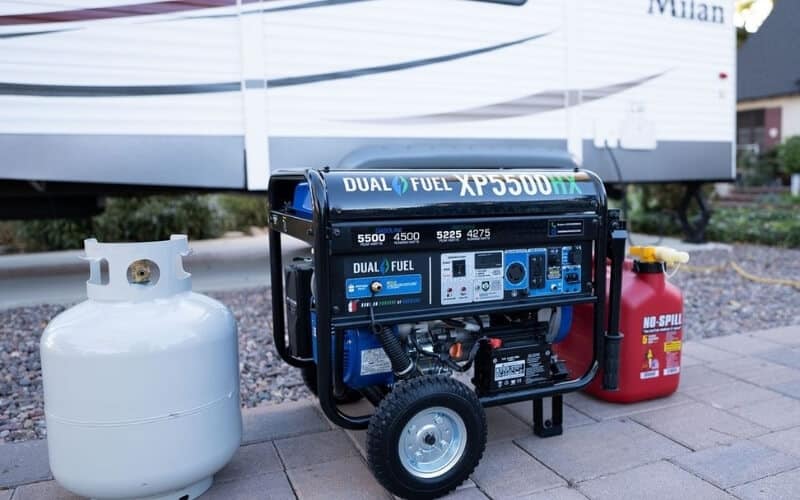
Ah, the open road! There's nothing quite like the freedom of an RV adventure. You're rolling through beautiful landscapes, making memories, and exploring new places. But let's be real, sometimes those beautiful places get a little… toasty. That's when your RV's air conditioner becomes your best friend.
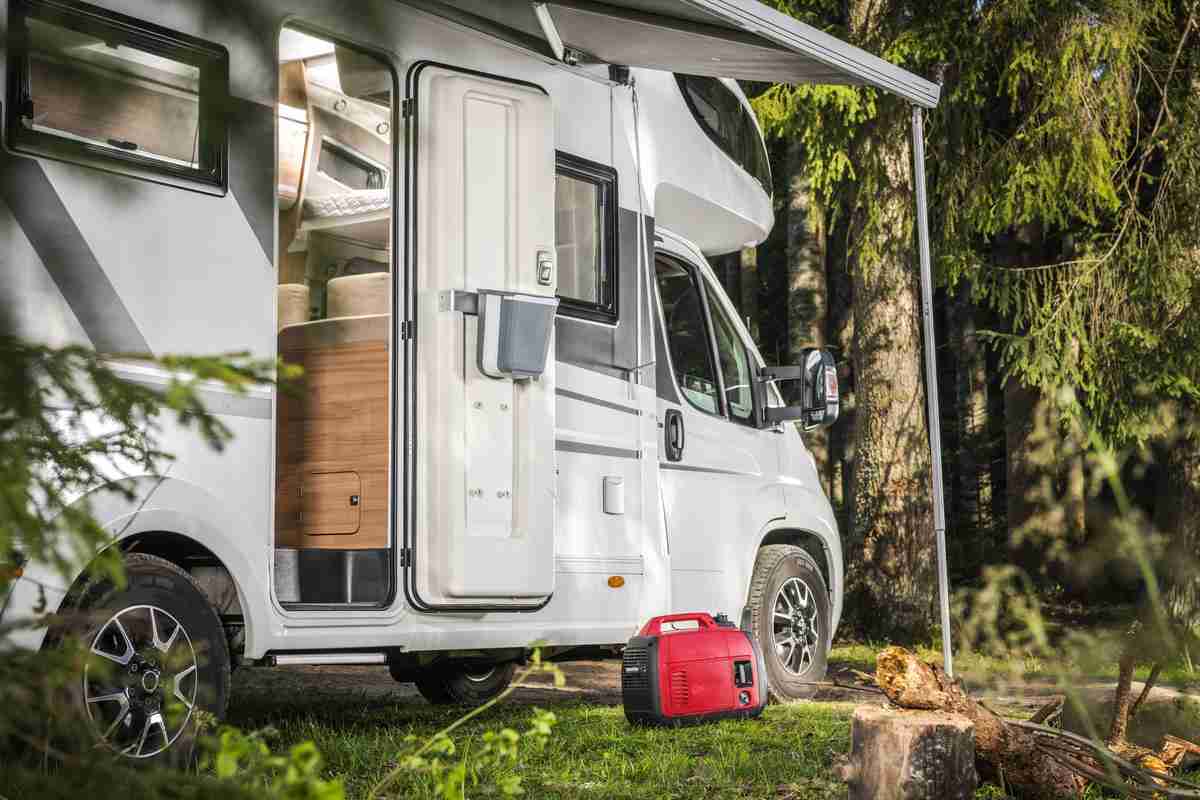
Imagine pulling into a scenic spot, setting up camp, and then feeling the heat creep in. You want to relax, but your RV feels like a mobile sauna. No fun! This is exactly why many RVers rely on a generator. It's your personal power plant, ready to fire up that blissful AC no matter where you are.
The Cool Challenge: What Size Generator for My RV AC?
So, you're sold on the idea of a generator for cool comfort. Great! But then you start looking, and suddenly you see numbers like BTUs, watts, and surge power. It can feel a bit like trying to solve a puzzle. Don't worry, it's simpler than it sounds, and we're here to break it down. Think of it as finding the perfect dance partner for your RV's AC unit.
Must Read
Your RV's air conditioner has a specific power need. This is measured in two main ways: BTUs and watts. BTUs (British Thermal Units) tell you how much cooling power your AC has. The higher the BTU number, the more powerful it is at chilling your space. Common RV AC units are either 13,500 BTU or 15,000 BTU.
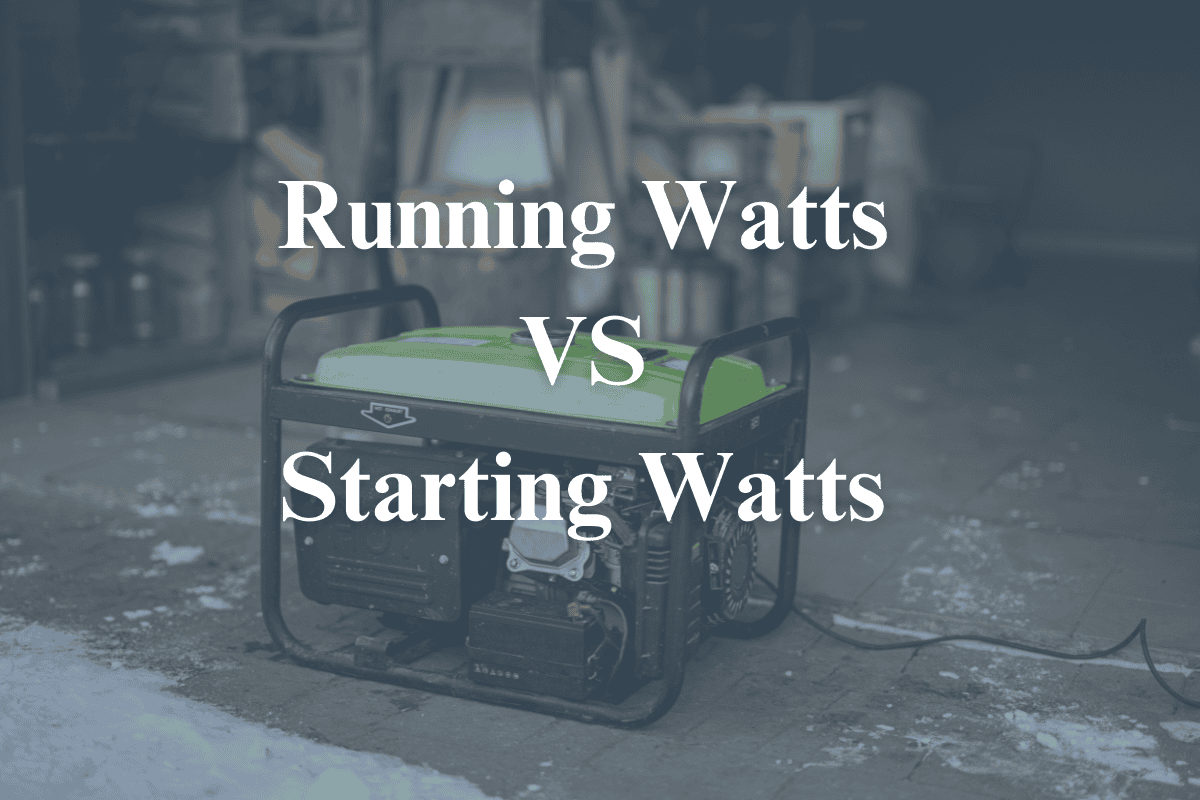
Now, generators talk in watts. When you look at a generator, you'll see two watt numbers: running watts and starting watts. This is where the magic (and sometimes the confusion) happens!
Your AC is a bit like a sleepy giant. When it first wakes up (starts), it needs a really big gulp of power. We call this the starting watts. Once it's running smoothly, it settles down and uses less power, which is the running watts.
That initial surge of power, the starting watts, is usually much higher than the running watts. It’s crucial because if your generator can't handle that initial big gulp, your AC simply won't kick on. It'll just sit there, leaving you in the heat.
Typical ACs and Their Generator Needs
Let's talk real numbers for common RV AC units:
- A 13,500 BTU RV AC unit usually needs about 1,500 to 1,700 running watts. But for that initial startup, it might demand anywhere from 2,800 to 3,500 starting watts! That's a big jump!
- A slightly larger 15,000 BTU RV AC unit will typically use around 1,800 to 2,200 running watts. Its startup power requirement can soar to between 3,000 and 4,000 starting watts.
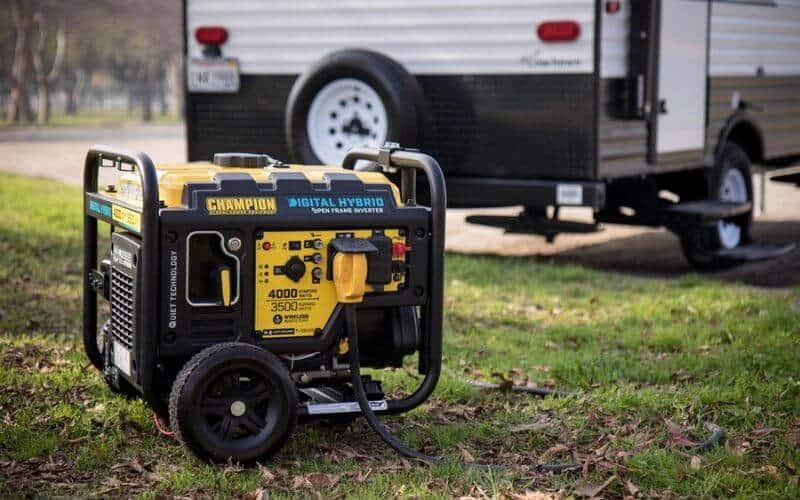
So, what does this mean for your generator choice? You generally need a generator that can provide at least the starting watts your AC demands. A common choice for many RVers is a generator in the 3,000 to 4,000 watt range. This gives you a good buffer for those initial power spikes.
The Clever Trick: Meet the Soft Start!
What if you have a smaller generator, maybe a super quiet 2,200-watt inverter generator, and you still want to run your 13,500 BTU AC? This is where a fantastic little gadget called a Soft Start device comes into play! It's like a magical wizard for your AC.
A Soft Start device smooths out that initial power surge. Instead of a sudden jolt, it gives your AC a gentle, gradual ramp-up of power. This dramatically reduces the starting watts needed, often by 60-70%!
With a Soft Start installed on your AC, a 13,500 BTU unit might only need around 1,800 to 2,000 starting watts. This means your smaller, lighter, and often much quieter 2,200-watt inverter generator can happily power your AC. It’s a total game-changer for many RVers, offering more flexibility and less noise at the campsite.
Other Things to Ponder
When picking your generator, consider a few more things:
- Altitude: Generators lose a bit of power at higher altitudes. If you camp in the mountains, factor that in!
- Other Appliances: Do you want to run your microwave, coffee maker, or charge your devices at the same time as your AC? Add up their wattage too.
- Noise: Inverter generators are generally much quieter than traditional generators. This is a huge plus for campsite etiquette and your own peace and quiet. Nobody wants to listen to a loud generator while enjoying nature!
The best way to know for sure is to check the sticker on your specific RV AC unit. It will usually list the running amps or running watts, and sometimes even the starting amps. A quick online search for "watts to amps calculator" can help convert those numbers if needed.
Ready for Cool Adventures?
Understanding generator sizing for your RV AC might seem like a lot of numbers at first. But once you grasp the difference between running watts and starting watts, and especially how a clever Soft Start device can help, it becomes much clearer.
Having the right generator means you can truly enjoy your RV, even on the hottest days. No more sweating it out inside your rig! Just the sweet, cool comfort of your AC, powered by your trusty generator. It’s all about enhancing that incredible RV lifestyle and making sure every adventure is as comfortable and fun as possible. Happy travels, and stay cool out there!