
What Size Generator To Run Hot Water Heater
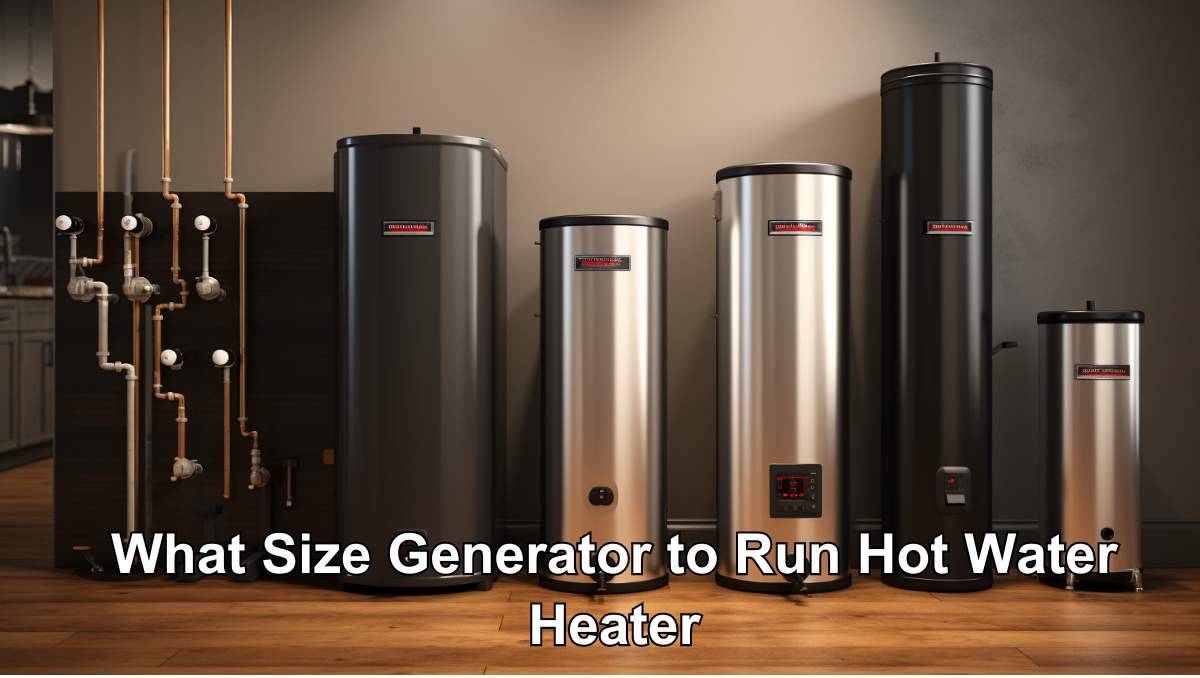
Okay, so picture this: last summer, epic thunderstorm, power goes out. No biggie, right? I thought so too! I’ve got my trusty generator, ready to rumble. I plug in the fridge, the fan… feeling pretty smug. Then I go to wash my hands and BAM! Ice water. Suddenly, showering felt like an extreme sport. That's when it hit me: I hadn't even considered the hot water heater!
So, the question is: what size generator do you really need to keep the hot water flowing when the lights go out? It's not as straightforward as you might think. (Spoiler alert: it's probably bigger than you initially guessed.)
Why Hot Water Heaters Are Power Hungry Beasts
First things first, let's understand why your hot water heater is such a power hog. Unlike your phone charger (which sips electricity like a dainty hummingbird), your hot water heater is more like a power-guzzling dinosaur. (No offense to dinosaurs, they're cool, just… not energy efficient.)
Must Read
Most electric hot water heaters use resistance heating. Basically, they have electric coils that heat up, transferring that heat to the water in the tank. This process takes a lot of energy. Think of it like trying to boil a huge pot of water on your stovetop. It takes a while, right?
The power required is measured in watts. And this is where things get interesting.
Finding the Watts: Your Hot Water Heater's Secret Code
To figure out what size generator you need, you've got to find out the wattage of your hot water heater. Don't panic! This isn't rocket science. (Unless you are a rocket scientist, in which case, this is probably insultingly simple.)
![What Size Generator to Run Hot Water Heater [Watts Calculator]](https://smartwatersource.com/wp-content/uploads/2023/11/what-size-generator-to-run-hot-water-heater-1.jpg)
Look for the nameplate on your hot water heater. It's usually a sticker or metal plate located somewhere on the tank itself. (Probably near the bottom, because why make it easy, right?)
On the nameplate, you should see a rating in watts (W) or kilowatts (kW). Remember, 1 kilowatt equals 1000 watts. Common wattages for electric hot water heaters range from 3000W to 5500W, but some can be higher. (Mine, I discovered, was a whopping 4500W. No wonder I was showering in ice last summer!) So find that number and write it down.
Generator Sizing: Beyond Just the Hot Water Heater
Okay, you've got the wattage of your hot water heater. Awesome! But hold your horses. You're not done yet. You need to consider everything else you want to run on your generator at the same time.
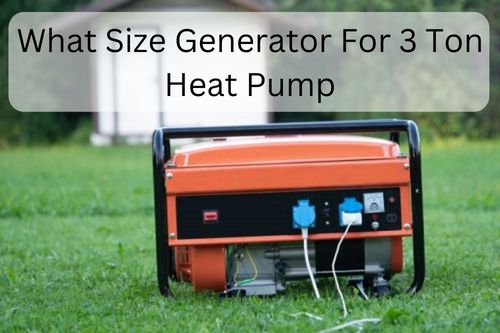
Think about it. Do you want to run your refrigerator? Lights? Maybe a TV to keep up with the news? Each appliance has its own wattage requirement. (Another label hunt, sorry!) Add up the wattage of everything you want to run simultaneously. This is your total running wattage.
Don't forget about starting wattage. Some appliances, like refrigerators and air conditioners, require a surge of power to start up. This starting wattage can be significantly higher than their running wattage. (It's like needing a running start to climb a steep hill.) Check the labels for starting wattage, or as a general rule, multiply the running wattage of those appliances by 3.
The Generator Math (Don't Worry, It's Not Scary)
Here's the formula:

(Total Running Wattage + Highest Starting Wattage) = Minimum Generator Size
For example: Let’s say your hot water heater is 4500W. You also want to run a refrigerator (700W running, 2100W starting) and some lights (200W). The calculation would look like this:
(4500W + 700W + 200W) + 2100W = 7500W
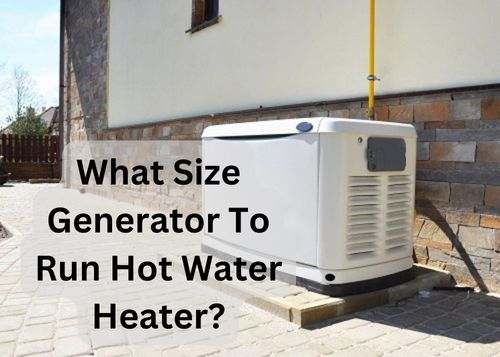
Therefore, you would need a generator that can provide at least 7500 watts. But here’s a pro tip: always oversize your generator. It's better to have more power than you need. Generators run more efficiently and last longer when they're not constantly running at their maximum capacity. Add another 10-20% to your calculated wattage. In our example, that would mean aiming for a generator with at least 8250-9000 watts.
Gas vs. Propane: Another Wrinkle
Oh, and one more thing! Generators can run on gasoline or propane. Propane generators typically produce slightly less power than gasoline generators for the same size engine. (Just when you thought you had it figured out, right?) So, if you're planning on using propane, keep that in mind and factor it into your generator sizing calculations.
The Moral of the Story?
Don't get caught with a generator that's too small! Do your homework, check your appliance wattages, and size up. Because nobody wants to take an ice-cold shower when the power is out. Trust me on this one. Now go forth and conquer that outage, armed with knowledge… and hot water!