
What Size Generator To Run A 3000 Sq Ft House
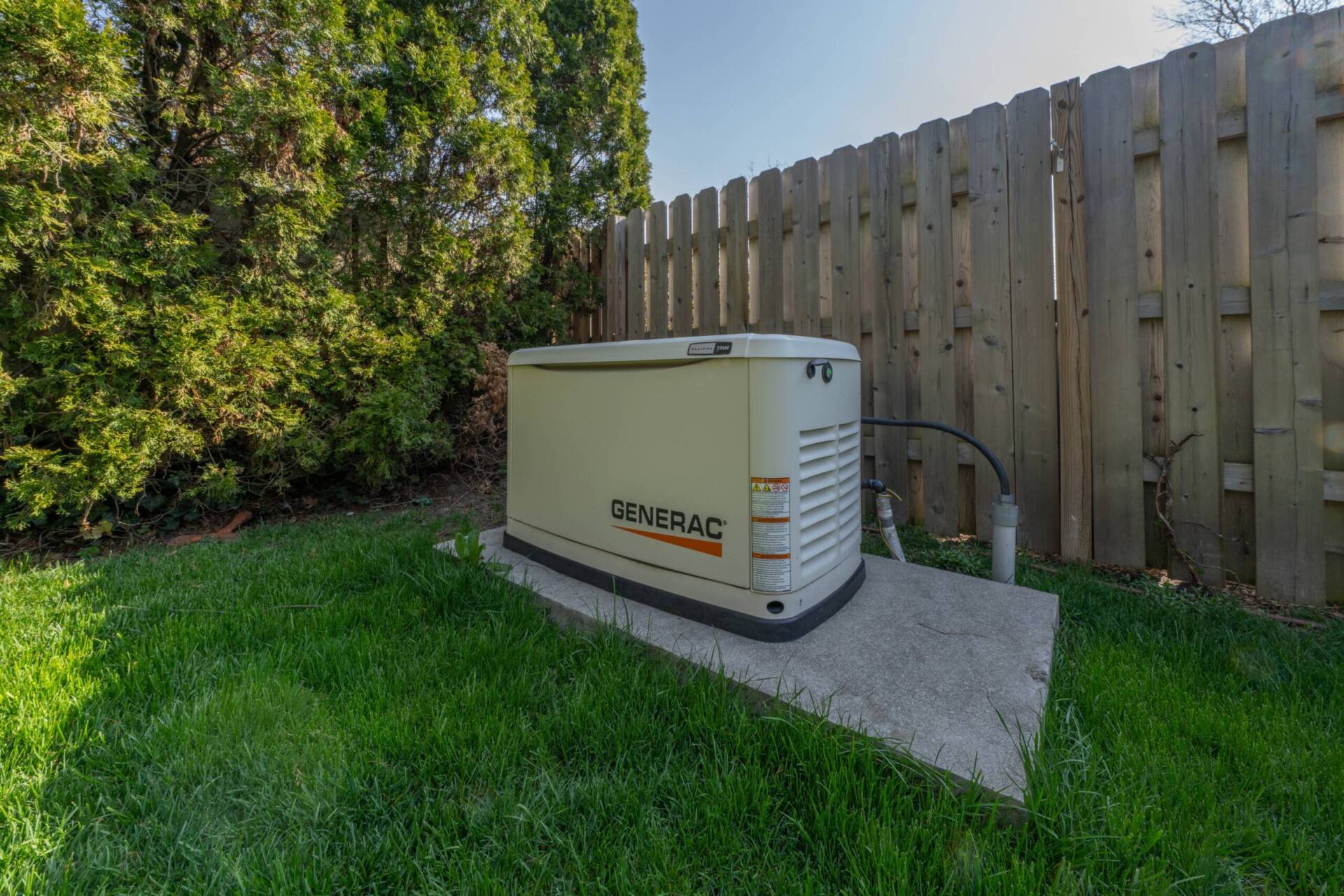
Okay, let's talk generators! Not the most glamorous topic, I know, but trust me, understanding this stuff can be a game-changer. Especially if you're living large (literally!) in a 3000 sq ft house. We're talking comfort, convenience, and maybe even the ability to laugh in the face of a power outage. Who wouldn't want that?
So, the big question: what size generator do you really need to keep that palace running smoothly? It's not as simple as just picking a number out of thin air, but don't worry, we'll break it down together. Think of it as a fun little puzzle – with the reward being uninterrupted Netflix during the next storm!
Understanding Your Power Needs: It's All About the Watts!
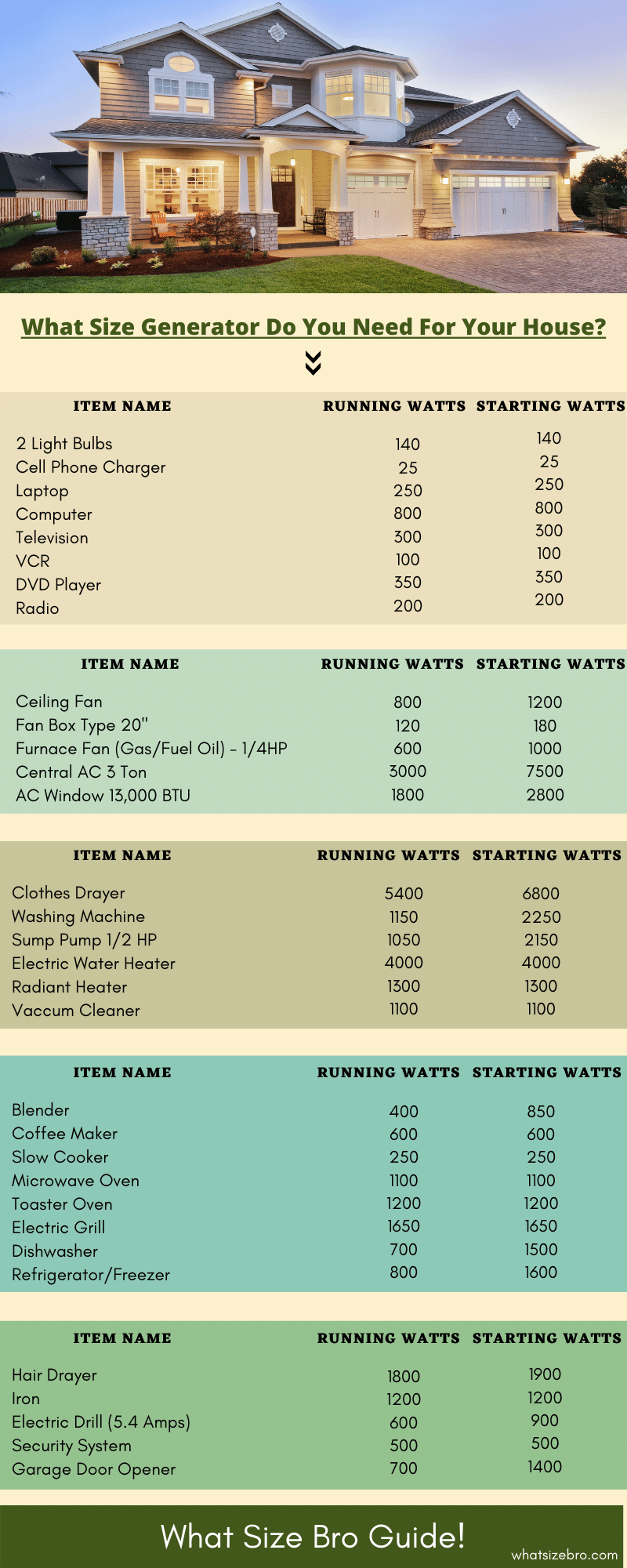
First things first: watts! Watts measure power. Every appliance in your house, from your fridge to your fancy espresso machine, draws a certain amount of watts. You need a generator that can supply at least enough watts to cover your essential appliances and devices.
Must Read
Now, how do you figure out how many watts you need? Time for a little detective work! Most appliances have a sticker (usually on the back or bottom) that lists their wattage. Look for something that says "watts" or "W". Jot those numbers down. Don't worry if you don't find the wattage; you can often find the amperage (amps) and voltage (volts). Just multiply them together (amps x volts = watts). Boom! Math is fun, right?
Pro Tip: Many appliances have a "starting wattage" that's higher than their "running wattage." Starting wattage is the burst of power needed to get the appliance going, like when your fridge compressor kicks on. You need to account for this! A generator needs to be able to handle these starting surges.
Essential Appliances: What Can't You Live Without?
Okay, let's be realistic. During a power outage, you probably don't need to power your entire house all at once. Think about your essentials. What absolutely must stay on? Here are some typical contenders:
- Refrigerator: Keeping your food from spoiling is a top priority.
- Lighting: No one wants to stumble around in the dark.
- Heating/Cooling: Depending on the season, this could be crucial. Consider a space heater or a window AC unit if running the entire central system is too much.
- Well Pump (if applicable): Gotta have water!
- Medical Equipment: Absolutely critical for anyone relying on life-support devices.
- Phone Charger: Staying connected is essential.
Once you've identified your essentials, add up their running wattages. Then, find the appliance with the highest starting wattage and add that to your total. This gives you a rough estimate of the minimum generator size you'll need.
Example: Let's say your fridge needs 200 running watts and 800 starting watts, your lights need 100 watts, and your well pump needs 600 running watts and 1200 starting watts. Your calculation would look like this: (200 + 100 + 600) + 1200 = 2100 watts. So, you'd need a generator that can provide at least 2100 watts.
Factoring in Your House Size: The 3000 Sq Ft Factor
Here's where the size of your house comes into play. A 3000 sq ft house generally means you have more appliances, more lights, and potentially a larger HVAC system. You could get away with a smaller generator to power just the absolute essentials, but wouldn't it be nice to have some breathing room? Maybe run the TV? Charge your laptop?
For a 3000 sq ft house, many people opt for a generator in the 5000 to 7500 watt range. This gives you enough power to cover your essentials and a few extras without breaking the bank. However, if you want to run your central AC, you'll likely need a generator with at least 7500 watts, possibly even more. (Central AC units can be power hogs!)

Choosing the Right Type of Generator: Portable vs. Standby
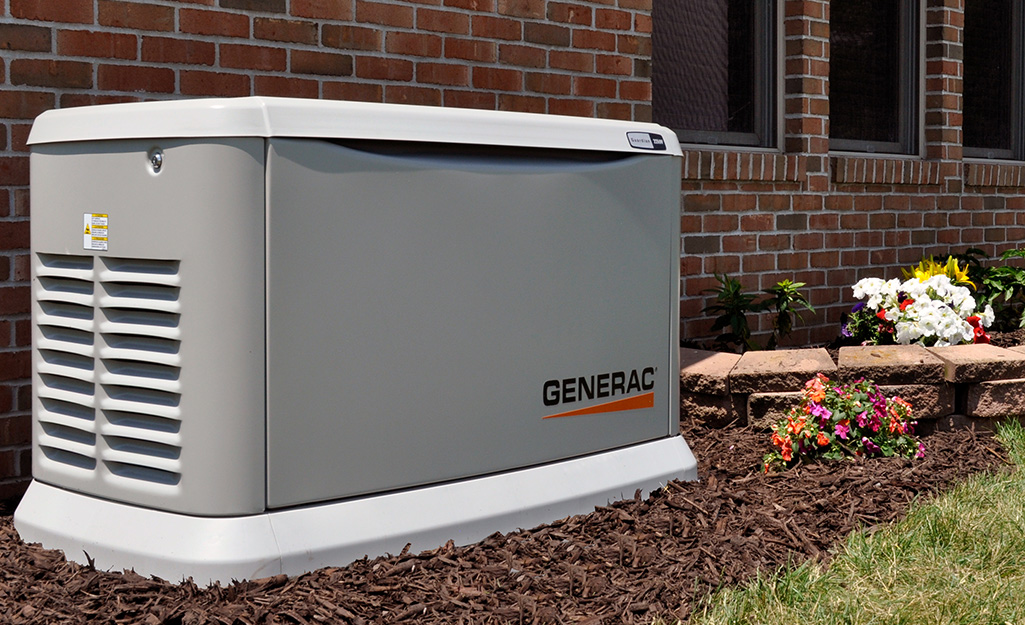
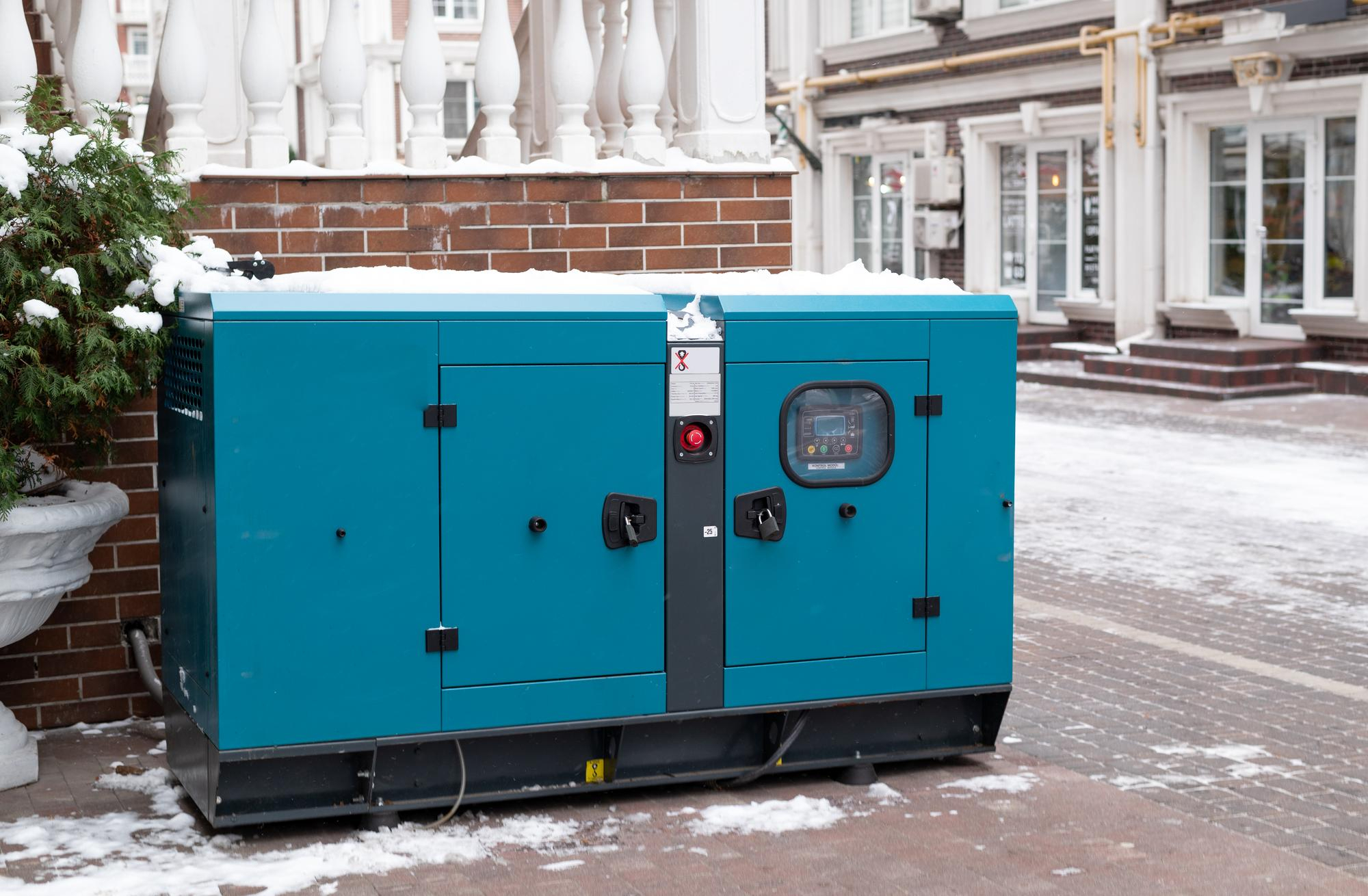
You've got two main options: portable generators and standby generators. Portable generators are less expensive and can be moved around, but you have to manually start them and plug in your appliances. Standby generators are permanently installed and automatically kick on when the power goes out. They're more expensive, but offer ultimate convenience.
For a 3000 sq ft house, a standby generator is often the preferred choice, especially if you experience frequent power outages. The peace of mind and automatic operation are worth the investment for many homeowners.
Don't Forget the Extras!
Finally, a few extra tips to keep in mind:
- Safety First: Always operate generators in a well-ventilated area to avoid carbon monoxide poisoning. Install carbon monoxide detectors in your home.
- Professional Installation: For standby generators, hire a qualified electrician for installation.
- Maintenance: Regularly maintain your generator to ensure it's ready when you need it.
- Overestimate: It's always better to have a generator that's slightly too big than one that's too small.
So, there you have it! Figuring out the right generator size for your 3000 sq ft house might seem daunting at first, but with a little research and planning, you can find the perfect solution to keep your home powered up and your life running smoothly. Go forth and conquer those power outages!
Feeling empowered? That's the spirit! Take this newfound knowledge and explore the world of generators! Research different brands, read reviews, and talk to experts. The more you learn, the better equipped you'll be to make the right choice for your home and your family. And who knows, maybe you'll even become the neighborhood power outage guru!