What Size Generator For Refrigerator And Freezer
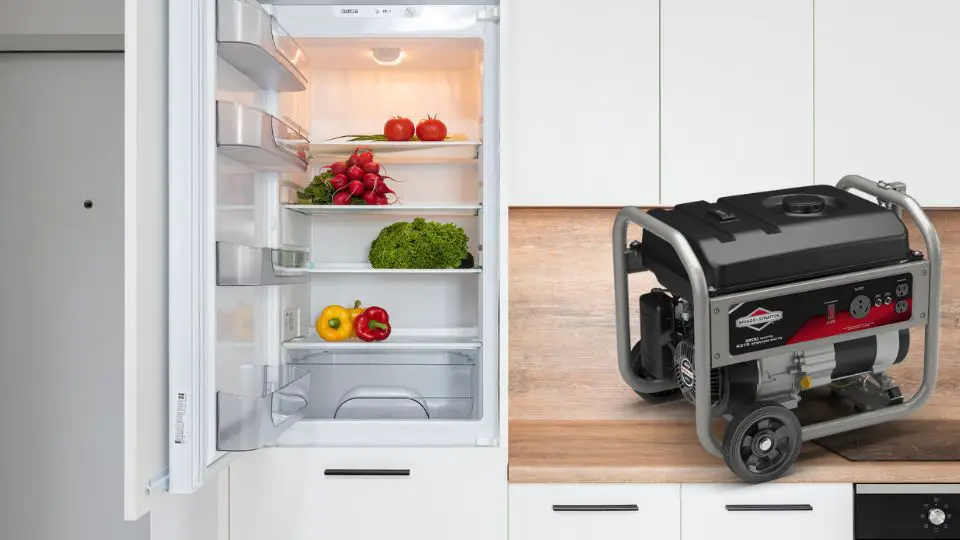
Alright, picture this: the power's out. Again. You're staring into the gloom of your kitchen, wondering if that leftover lasagna is still lasagna, or if it's morphing into something... else. The kids are asking for ice cream. The dog is giving you the "feed me" eyes. And you’re frantically searching for candles like you're Indiana Jones raiding a tomb. Been there? Yeah, me too. That’s when you start thinking about a generator. But how big does it really need to be to save your precious perishables?
Let's talk about refrigerators and freezers. They're basically the diva appliances of your kitchen. They demand attention, they hum with power (literally), and they throw a royal fit when the lights go out. Knowing what size generator you need to keep them happy is crucial.
Understanding Wattage: The Language of Power
First, a little geek-speak. We're talking about watts. Think of watts like the amount of effort your appliances need to, well, work. Every fridge and freezer has two wattage numbers you need to know: starting wattage and running wattage.
Must Read
The starting wattage is the biggie. It's the surge of power your appliance needs when it first kicks on its compressor. It's like trying to push a car uphill. You need a big burst of energy initially. The running wattage is what it needs to keep chugging along once it's already running smoothly. It's like cruising down that hill after the initial push. Easy peasy.
You can usually find these numbers on a sticker somewhere on your fridge or freezer, often near the power cord. If you can't find a sticker, check the owner's manual or even search online for the model number. It’s a bit like playing detective, but the reward is unspoiled food!
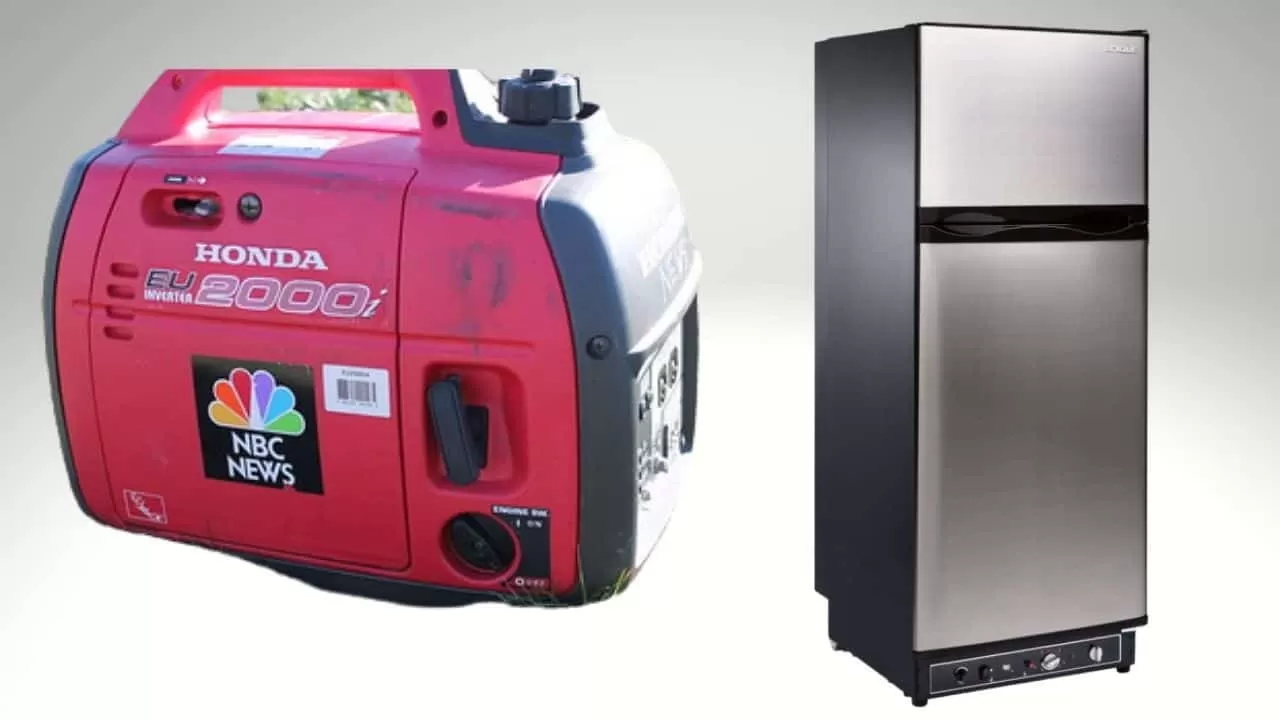
Sizing Up Your Generator: It’s Not Just About the Fridge
Okay, so you found the wattage numbers. Now what? Don't just buy a generator that exactly matches those numbers. You need some wiggle room! Think of it like ordering pizza – you always order a little extra, just in case. (Or is that just me?)
First, you absolutely have to consider the starting wattage of your fridge or freezer. That's the peak power it needs. Then, factor in the running wattage. The generator has to be able to handle that continuous draw.
But here’s the kicker. What else do you want to power? Just the fridge? What about a lamp so you can actually see what you're rescuing from the freezer? Maybe a fan to keep cool? Don't forget to add up the running wattage of those other essentials.
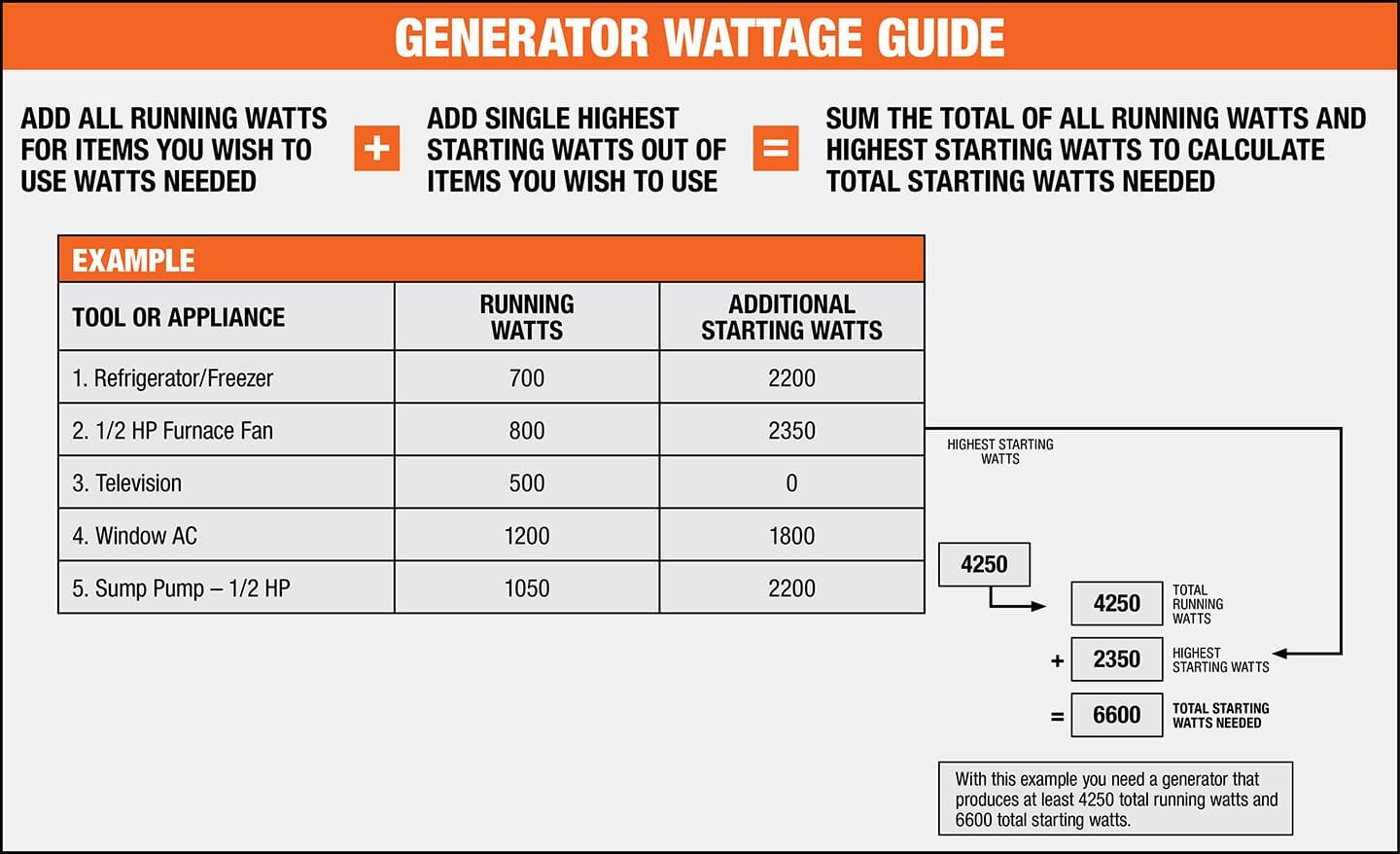
A good rule of thumb is to add up the running wattage of everything you want to power, then add the starting wattage of the appliance with the highest starting wattage. That gives you a good estimate of the minimum generator size you need. Always overestimate! It's better to have too much power than not enough.
For example, let's say your fridge has a starting wattage of 1200 watts and a running wattage of 200 watts. You also want to power a lamp (60 watts) and a fan (100 watts). You'd need a generator that can handle at least 1200 (fridge starting) + 200 (fridge running) + 60 (lamp) + 100 (fan) = 1560 watts. So, you'd want a generator that can handle at least 1600-2000 watts, just to be safe.
The "Peace of Mind" Factor
Investing in a slightly larger generator gives you peace of mind. You won't be constantly worrying about overloading it. Plus, if you ever want to power something else during an outage – like a TV to watch the news (or binge Netflix, no judgment) – you'll have the extra capacity.
Think of it this way: a slightly bigger generator is like buying the extended warranty. You hope you never need it, but you're really happy it's there when disaster strikes. And in this case, "disaster" is a melted ice cream sandwich.
So, do your homework, find those wattage numbers, and choose a generator that gives you the power you need – and a little extra for those "just in case" moments. Your lasagna (and your sanity) will thank you.