
What Size Circuit Breaker For Electric Dryer
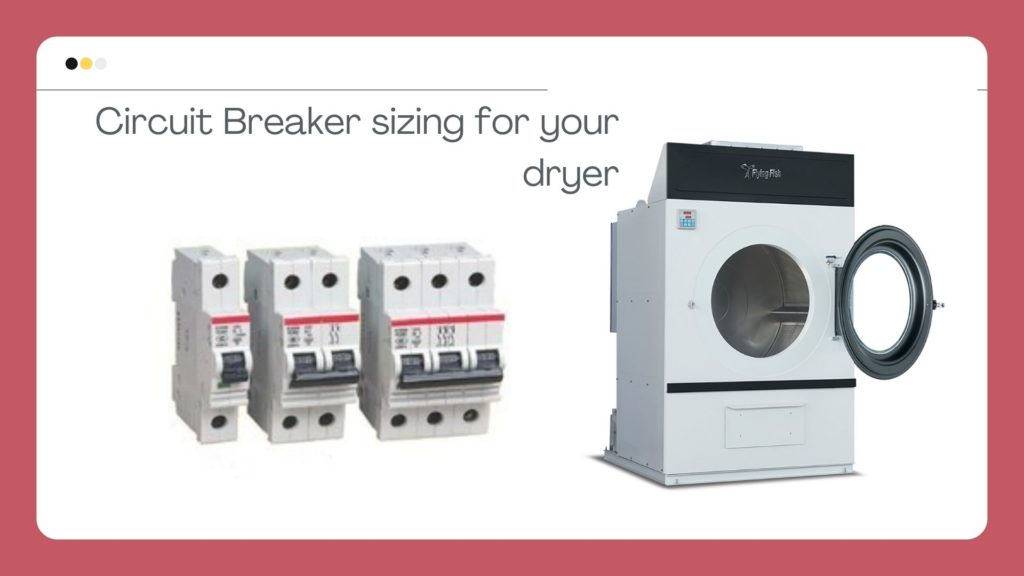
Hey there, friend! So, you're wondering about what size circuit breaker you need for your electric dryer, huh? Don't sweat it! It's not as scary as trying to fold a fitted sheet (seriously, is there a right way?). Let's break it down in a way that's easier than separating whites and colors – because, let's be honest, who even does that anymore?
The 30 Amp Almost-Always Rule
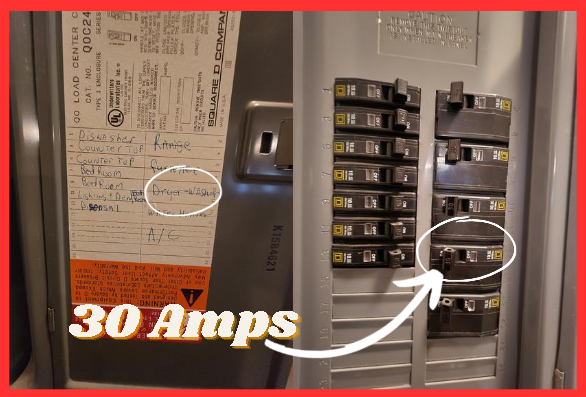
Generally speaking, the magic number is 30 amps. Yep, 30! Most standard electric dryers need a dedicated 30-amp circuit breaker. This means it gets its own special power line straight from your electrical panel, just like a VIP getting the express lane. No sharing with the toaster or your binge-watching setup. Why? Because dryers are power-hungry beasts, gobbling up electricity like I gobble up pizza on a Friday night.
Think of it like this: your dryer is a marathon runner, and your circuit breaker is the energy bar. If the energy bar (breaker) isn't big enough (enough amps), the runner (dryer) is gonna crash and burn (trip the breaker). Not fun!
Must Read
But! (There’s always a "but," isn't there?) Before you run off and flip switches, let's get a little more specific.
Checking the Dryer's Deets
The absolute, most important thing you need to do is look at the data plate on your dryer. This little label is usually located on the back of the dryer or inside the door. It's like the dryer's resume, giving you all the important info.
Specifically, you're looking for two numbers: Voltage and Amperage (or Amps). You'll probably see something like "240V" for voltage and a range of amps (like "20-30 Amps").
Voltage is basically the electrical pressure. Most dryers in North America use 240V. If you see something wildly different, like 120V, you might have a special dryer or a typo. Double-check!
Amperage is the amount of electrical current the dryer needs to operate. If the data plate says "30 Amps," you're golden! Stick with that 30-amp breaker. If it says something else, well... keep reading!
When the 30 Amp Rule Doesn't Apply (Dun Dun Duuun!)
Okay, so occasionally, you might stumble upon a dryer that needs something other than a 30-amp breaker. It's rare, but it happens. Maybe you have a super old dryer or a fancy-pants new model with all the bells and whistles.
If your dryer's data plate clearly states it needs, say, a 20-amp or 40-amp breaker, believe it! Don't try to force a 30-amp breaker on it just because some internet article told you to (even this one!). Trust the manufacturer's instructions. They built the thing, after all!

Using the wrong size breaker is like wearing shoes that are too small or too big. It's just not going to work properly, and it can even be dangerous. Seriously dangerous!
A Little Word About Safety (Because I Care!)
Electricity is powerful, but it's also dangerous. If you're not comfortable working with electrical wiring, please, please, please call a qualified electrician! It's always better to be safe than sorry (and potentially electrocuted!). Hiring an electrician is like hiring a professional organizer for your closet – it might cost a little upfront, but the peace of mind is priceless.
Messing with electricity without proper knowledge can lead to shocks, fires, and other generally unpleasant experiences. Think of it like this: you wouldn't try to perform brain surgery on yourself, would you? (I hope not!). Treat electricity with the same level of respect.

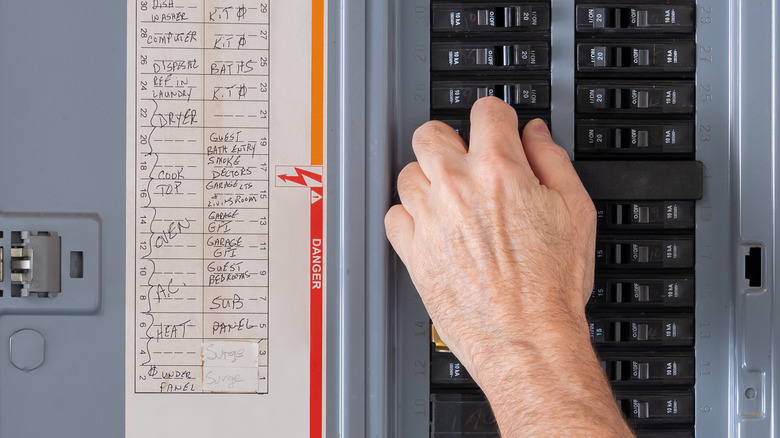
Also, always turn off the power to the circuit before you start working on anything. Find the breaker that controls the dryer circuit and flip it to the "off" position. Double-check it's off with a non-contact voltage tester (a handy little tool that tells you if there's electricity flowing). Think of it as wearing safety goggles before you start chopping onions – you'll thank yourself later!
In Conclusion: You've Got This!
So, there you have it! Finding the right size circuit breaker for your electric dryer isn't rocket science. Check the dryer's data plate, remember the 30-amp rule (but with exceptions!), and when in doubt, call a pro. You're now armed with the knowledge to keep your laundry routine running smoothly and safely.
Now go forth and conquer that mountain of laundry! You deserve a clean, comfy outfit and a big pat on the back for being so proactive about electrical safety. You're awesome! And remember, even if things get a little tangled along the way (like those darn fitted sheets), there's always a way to smooth things out. Just breathe, stay positive, and maybe invest in a laundry folding robot. They exist, right?