
What Size Car Battery Do I Need

Your car makes that sad, lonely clicking sound. It’s the sound of a battery that’s decided to retire. You sigh, grab your phone, and then the big question hits: what size car battery do I even need?
Suddenly, the simple act of replacing a battery feels like a pop quiz. You start seeing terms like CCA, amp-hours, and mysterious group sizes. Panic sets in, just a little.
Everyone wants to do the "right" thing. Maybe even upgrade, right? You might think, "Bigger must be better!" This is where we might gently, playfully disagree with conventional wisdom.
Must Read
Let's unravel this battery mystery together. It’s far less complicated than the internet makes it seem. No need for a science degree here.
The Myth of Needing a Monster Battery
You might feel tempted to get the biggest, baddest battery on the shelf. More power, more confidence! Who wouldn't want that?
But here’s a little secret: your car’s engineers are pretty smart cookies. They designed your vehicle to work perfectly with a specific battery. It’s like buying shoes; you need the right size, not just the biggest pair.
Trying to cram in a battery that’s too big can cause more problems than it solves. It might not fit in the tray. The terminals might not reach.
Then you’re stuck with a battery that just doesn’t belong. It’s like trying to wear a hat that’s two sizes too big. It just looks silly and doesn't do its job right.
Decoding the Jargon (Without Actually Decoding It)
You’ll see CCA thrown around. This stands for Cold Cranking Amps. It tells you how much juice the battery can deliver in freezing temperatures.

Yes, it’s important, especially if you live somewhere truly chilly. But again, your car was designed with a certain CCA in mind. It's not a competition.
Then there's the group size. This sounds super technical, right? Like some secret society code.
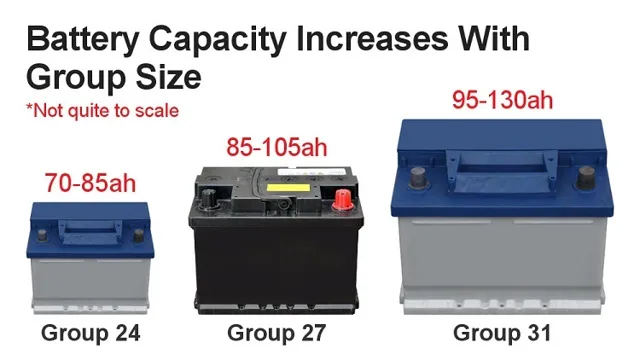
In reality, group size mostly refers to the physical dimensions of the battery. It’s about how wide, long, and tall it is. It also dictates where the terminals are located.
This is crucial for ensuring the battery physically fits into your car's battery tray. It also makes sure the cables can actually reach and connect properly. Nobody wants a battery floating around unsecured under the hood.
Amp-hours (Ah) is another term. It speaks to how long your battery can provide power. For starting your car, CCA is often more emphasized.
But for modern cars with all their fancy electronics, having enough Ah to keep things running when the engine is off can be helpful. Still, stick to the manufacturer's recommendation first.
The Surprisingly Simple Answer
So, with all this talk of acronyms and dimensions, what’s the actual easy answer? It’s wonderfully, blissfully simple.

"Just replace your old battery with one that has the same specifications."
Seriously, it’s often that straightforward. Look at your existing battery. Most batteries have a label right on top or on the side.
It will proudly display its group size. It will also show its CCA rating. Sometimes it even lists the amp-hours.
Snap a quick picture with your phone. That's your shopping list right there. You've got all the information you truly need.
If you can’t read the label, or the battery is simply gone, fear not. Your car’s owner’s manual is your next best friend.
It will have a section dedicated to battery specifications. It often lists the exact group size and minimum CCA recommended for your specific model.
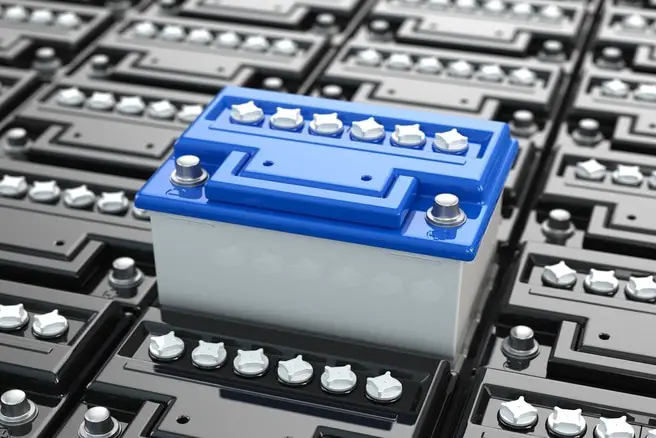
Still can't find it? A quick online search for "battery size for [your car year, make, model]" will usually yield reliable results. Most auto parts stores have online tools for this too.
Why Trust the Engineers?
Your car is a complex machine. Every component, down to the battery, is chosen for a reason. The engineers calculated the power needed to reliably start your engine.
They considered the electrical load of your car’s features. This includes your radio, lights, climate control, and all those USB ports. They even thought about the computer systems.
They also accounted for variations in climate. A car sold in Alaska will likely come with a battery suited for colder starts. A car sold in Arizona will have one for hot conditions.
So, getting a battery with significantly more CCA than recommended isn't usually a magic upgrade. It might just be more expensive. It often provides no real-world benefit.
It’s like putting premium fuel in a car designed for regular. It’s not necessarily harmful, but you’re probably just spending extra money without a noticeable improvement in performance.
What matters is that the battery meets or slightly exceeds the manufacturer's minimum specifications. "Slightly exceed" is fine, but "wildly overpower" is probably overkill.
The Real Joy of Battery Replacement
The true joy isn't in finding the biggest battery. It’s in finding the right battery. The one that fits perfectly.
The one that connects without fuss. The one that reliably brings your engine to life every single time. That’s the feeling of success.
No more frantic clicking sounds. No more desperate calls for a jump start. Just smooth, dependable ignition.
So, next time your battery gives up the ghost, don’t fret about complex equations. Don't worry about trying to outsmart the car designers.
Simply look at what you had. Consult your manual. Then confidently buy a replacement that matches.
You'll be back on the road in no time. And you’ll have saved yourself a headache, and probably some unnecessary cash too.
It’s a win-win, really. Happy driving!