
What Size Air Handler Do I Need
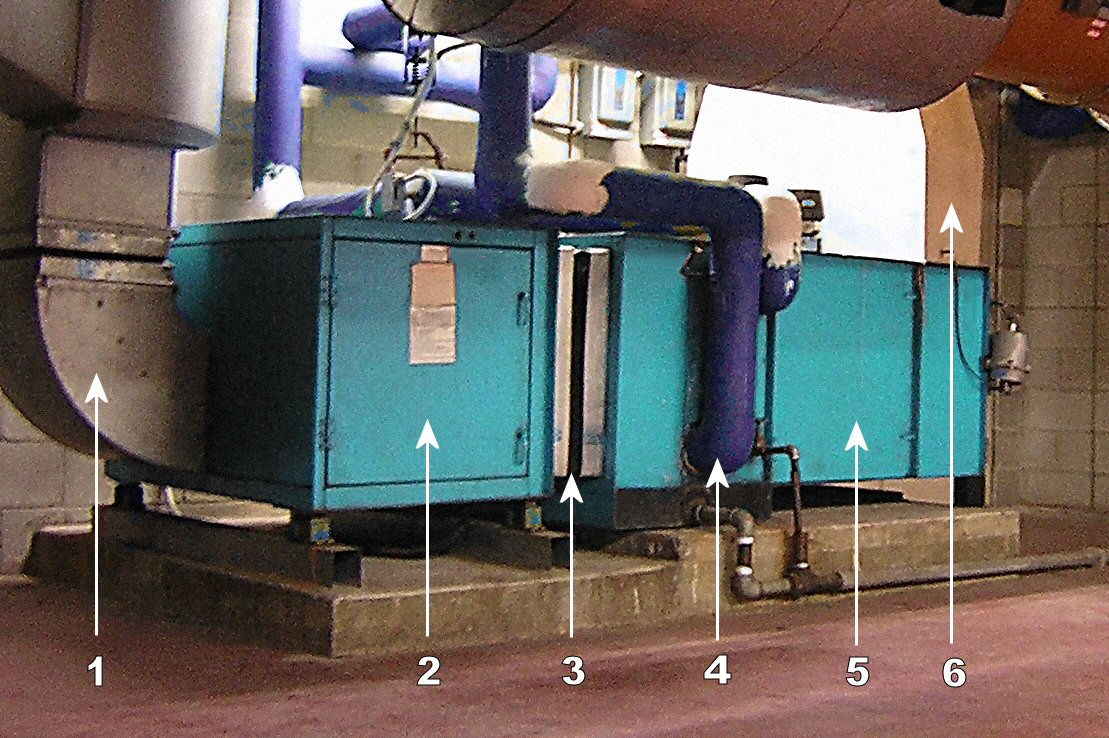
Alright, settle in, grab your imaginary latte, because we're about to tackle one of life's great mysteries, right up there with "where do all my missing socks go?" and "why is it always my turn to do the dishes?" We're talking about your air handler, that unsung hero (or villain, depending on its size) of your home's comfort system. Specifically, we're diving into the delightful conundrum of: What size air handler do I actually need?
Now, you might think, "Oh, just get a big one, right? Bigger is always better!" And to that, I say, "Hold your horses, cowboy!" Or cowgirl! Or whatever your preferred equestrian metaphor might be. Because when it comes to HVAC, bigger isn't just not better, it can be a straight-up disaster. Imagine trying to kill a fly with a bazooka. Sure, the fly's gone, but so is your house, your dignity, and probably your neighbor's prized gnome collection.
The "Too Big" Problem: When Your Air Handler Thinks It's a Speed Demon
Let's paint a picture. You've gone big. You've gone bold. Your air handler is basically the Hulk of the HVAC world. What happens? It blasts your house with cold air so fast, it hits the thermostat's target temperature in about, oh, twelve seconds flat. Then it shuts off.
POOF!
Must Read
This is called short cycling. It's like a sprinter who only runs for five feet then needs a nap. The unit turns on, blasts, turns off, then ten minutes later, turns on again. Not only is this incredibly inefficient, sucking down electricity like a vampire at a blood bank, but here’s the kicker: it doesn't run long enough to properly dehumidify your home.
So, you're left with a house that feels chilly but also strangely… clammy. Like a cold, damp dungeon. You crank down the thermostat further, thinking "more cold will fix it!" but all you get is colder and clammy-er, and a monstrous electricity bill. Congrats, you've achieved a polar bear's cave, but you're still sticking to the couch cushions.

The "Too Small" Problem: When Your Air Handler Just Can't Even
On the flip side, what if your air handler is a tiny, adorable Chihuahua trying to pull a loaded U-Haul? It's simply not going to cut it. An undersized unit will run and run and run and run… like that energizer bunny that just won't quit. Except instead of being cheerful, it's sweating profusely, overheating, and getting absolutely nowhere.
Your house will never quite reach that comfortable temperature. You'll be perpetually wishing for just a little bit more cool, a little more warmth, a little more oomph. You'll be constantly adjusting the thermostat, cursing the heavens, and probably developing a twitch. And guess what? Running constantly is also terrible for energy efficiency and the lifespan of your unit. It's like asking a marathon runner to sprint for 26 miles straight – eventually, something's gonna break.
The Goldilocks Zone: Finding That "Just Right" Sweet Spot
See? Neither extreme is good. What we're aiming for is the Goldilocks zone: not too big, not too small, but just right. This mythical, perfect size ensures your unit runs efficiently, cycles properly, removes humidity, and keeps you comfortable without emptying your wallet or turning your home into a swamp cooler or a sauna.

So, how do we find this magical "just right" number? Do we consult the stars? Read tea leaves? Ask our cat? (Mine just purrs and demands tuna, so probably not helpful.)
Enter the Hero: The Manual J Calculation!
No, it's not a secret handshake or a dance move. It's called a Manual J load calculation. And it's basically the superhero of HVAC sizing. This isn't just about square footage, folks. That's a rookie mistake. A Manual J takes into account a mind-boggling (but totally necessary) list of factors:
- Your climate zone: Are you in sunny Florida or chilly Minnesota?
- Window types and number: Double pane? Single pane? How many sun-facing windows are there?
- Insulation levels: Attic, walls, floors – the fluffier, the better!
- Roof color: Dark roofs absorb more heat!
- Number of occupants: Believe it or not, people generate heat! (Especially after a spicy taco night.)
- Appliances: Your fridge, oven, and even your TV give off heat.
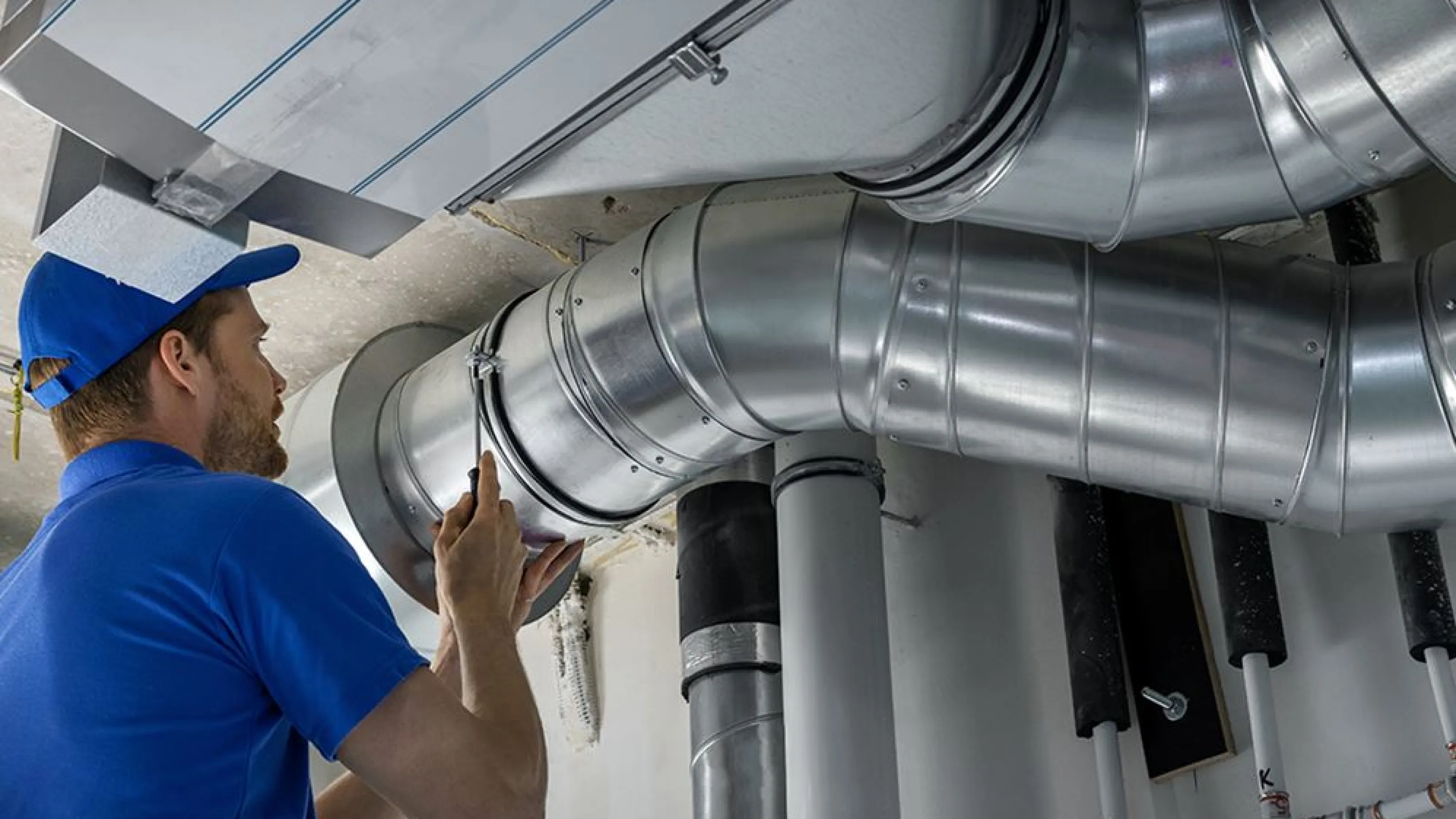
- Ductwork integrity: Leaky ducts are like trying to drink soup with a colander – utterly useless.
- Ceiling height and orientation of your house: Does it bake in the afternoon sun?
See? It's a whole lot more complex than just "my house is 2000 square feet, so I need X." Every home is a unique snowflake, with its own energy personality. Trying to eyeball it is like trying to diagnose a rare disease with a crystal ball.
A Quick Chat About BTUs and Tons (No, Not Elephants)
You'll often hear about air handlers in terms of BTUs (British Thermal Units) or Tons. A BTU is simply a measure of heat. One ton of cooling capacity is equivalent to 12,000 BTUs per hour. So, a 3-ton unit can remove 36,000 BTUs of heat from your home in an hour. It's a fancy way of saying "how much cooling power it's got." Think of it like horsepower for your car, but for keeping cool.
A shocking truth: many homes have incorrectly sized HVAC systems simply because a contractor made an educated guess or just swapped out the old unit for one of the same size, without doing a Manual J. This often leads to that "too big" or "too small" scenario we just laughed (and cried) about.
The Moral of the Story: Don't DIY This One, Folks!
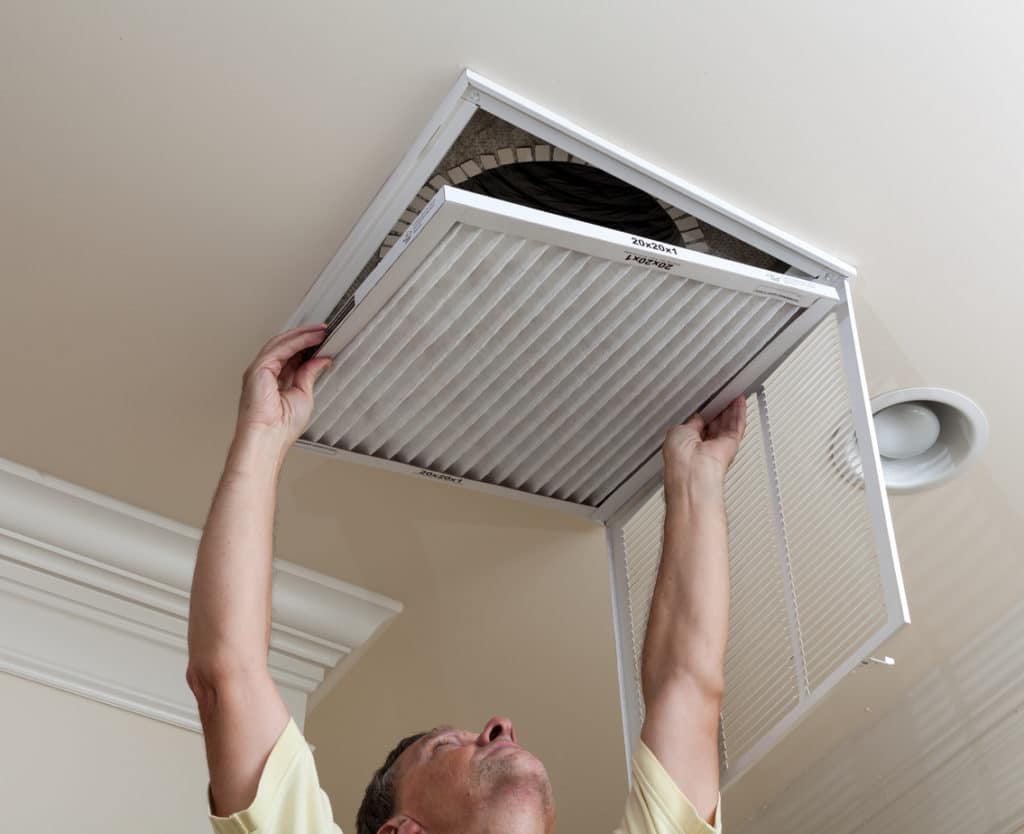
While I encourage you to be informed and ask smart questions, please, for the love of all that is comfortable and energy-efficient, do not try to size your air handler yourself. This is not a weekend DIY project like painting a wall or assembling IKEA furniture (though some days, even that feels like a Manual J calculation). You need a qualified, reputable HVAC professional.
They have the software, the training, and the actual knowledge to perform a proper Manual J calculation. They'll walk through your house, measure things, ask you questions, and come back with the precise, scientifically backed size that's perfect for your specific home. It might cost a little upfront for the assessment, but it will save you a fortune in energy bills, repair costs, and sheer discomfort down the line.
So, next time you're thinking about replacing your air handler, remember the Goldilocks principle. Don't be swayed by the siren song of "bigger is better" or the false economy of "smaller is cheaper." Insist on a Manual J calculation. Your wallet, your comfort, and your sanity will thank you. Now, if you'll excuse me, my imaginary latte is getting cold, and I still haven't figured out where that last sock went.