
What Size Air Conditioner For 1600 Square Feet
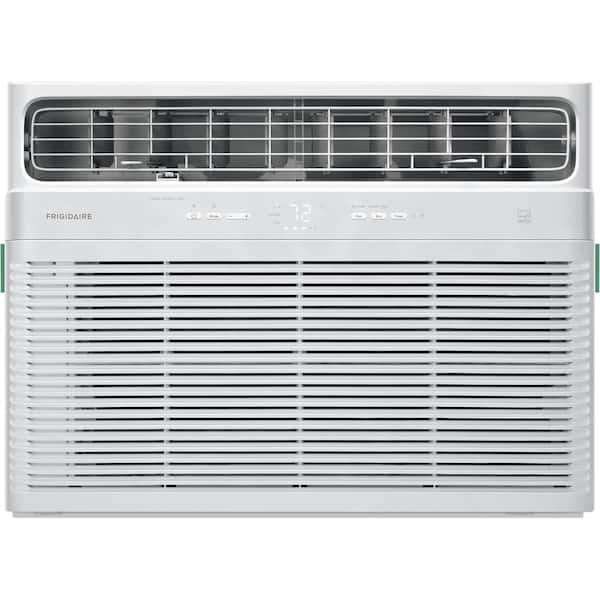
Okay, folks, let's talk about staying cool! We're diving headfirst into the wonderful (and sometimes confusing) world of air conditioner sizing, specifically for a 1600 square foot space.
Think of your AC unit as the superhero of your home, battling the dreaded heat monster. But even superheroes need to be the right size for the job!
Why Size Matters (and it REALLY does!)
Imagine trying to wear a toddler's shoe when you're a grown-up. Painful, right? An undersized AC unit is like that shoe – it'll struggle, strain, and ultimately fail to keep you comfortable.
Must Read
Now, picture swimming in an oversized t-shirt. Clumsy and inefficient! An oversized AC unit will cycle on and off too quickly, leading to humidity and wasted energy.
So, finding the "Goldilocks" size – just right – is crucial for your comfort, wallet, and the longevity of your AC unit.
The BTU Breakdown: What's a BTU Anyway?
BTU stands for British Thermal Unit. Don't let the fancy name scare you; it's simply a measure of how much heat an air conditioner can remove from a room per hour.
Think of it like the AC unit's cooling power rating. The higher the BTU, the more powerful the cooling.
As a general rule, you need about 20 BTU per square foot of living space. Easy peasy, right?
Calculating Your Cooling Needs: 1600 Square Feet Edition
Let's do some super-simple math! For a 1600 square foot space, you'll need roughly 32,000 BTUs (1600 x 20 = 32,000).
So, are we done? Not quite! That 32,000 BTU figure is a great starting point, but several other factors can influence the ideal size of your AC unit.
Consider this your mission briefing, and we are about to uncover the full truth.

Factors That Shake Things Up
Think of these factors as the AC sizing wildcards. They can nudge the BTU requirement up or down, so pay close attention!
Sun Exposure: Sunshine State or Shady Retreat?
If your home is blessed (or cursed!) with tons of sunlight, especially from south-facing windows, you'll need more cooling power.
Imagine your house is a giant magnifying glass focusing the sun's rays! Add about 10% to the BTU recommendation if sunshine is a constant companion.
On the other hand, if your home is nestled in a shady oasis, you might be able to shave off a bit. Lucky you!
Ceiling Height: Reaching for the Sky (and More Cooling)
Standard ceiling heights (around 8 feet) are accounted for in the 20 BTU/square foot rule.
But if you have soaring cathedral ceilings, you're dealing with a much larger volume of air. More air equals more work for the AC!
High ceilings? Add about 10-15% to your BTU estimate. Your AC will thank you.
Insulation: Your Home's Cozy Sweater (or Lack Thereof)
Good insulation is like a warm sweater for your home in winter and a shield against heat in summer.
Well-insulated homes require less cooling power. Poorly insulated homes? Prepare for your AC to work overtime, and bump up that BTU number.
/air-conditioning-chart-1152654_final-01-5c522db7c9e77c0001d7671e.jpg)
Imagine your AC is fighting a losing battle against heat seeping in through the walls. Invest in insulation – it pays off!
Number of Occupants: Party Central or Peaceful Pad?
More people generate more body heat. It's just science! If you have a large family or frequently host gatherings, factor that in.
Think of each person as a tiny little heater. For every two extra people beyond the average, add about 600 BTUs.
Solo dweller? You might get away with slightly less cooling power.
Location, Location, Location: Climate Counts!
Living in the scorching desert heat of Arizona? You'll need a more powerful AC than someone living in a mild coastal climate.
Consider your local climate when making your decision. A local HVAC professional can provide the best advice for your specific area.
They know the local weather patterns and can tailor their recommendations accordingly.
Types of AC Units: Window, Portable, or Central?
The type of AC unit also plays a role. For 1600 square feet, a central air conditioning system is generally the most efficient and effective option.
:max_bytes(150000):strip_icc()/air-conditioning-chart-1152654_final-02-c37c8b4fdf08432baf378e8f0cb9d8e0.jpg)
Window units are better suited for smaller spaces. Portable AC units can be a good temporary solution, but they're typically less efficient than central or window units.
When in doubt, consult with a professional to determine the best type of AC unit for your needs and budget.
Putting it All Together: A Real-World Example
Let's say you have a 1600 square foot home with average insulation, standard ceiling heights, moderate sun exposure, and two occupants.
Your base BTU requirement is 32,000. Since the other factors are relatively average, you're likely in good shape with a 32,000 BTU unit.
But, imagine you live in a hot climate with high ceilings and lots of sunlight. In that case, you might need to bump up to a 36,000 BTU unit or even higher.
The Importance of Professional Advice
While these guidelines are helpful, the best approach is to consult with a qualified HVAC professional.
They can assess your specific needs, consider all the relevant factors, and recommend the perfect AC unit for your 1600 square foot home.
Think of them as the AC sizing whisperers. They have the expertise to guide you to the ideal solution.
Avoiding Common Mistakes
Don't just grab the biggest AC unit you can find! Oversizing can lead to humidity problems and wasted energy.
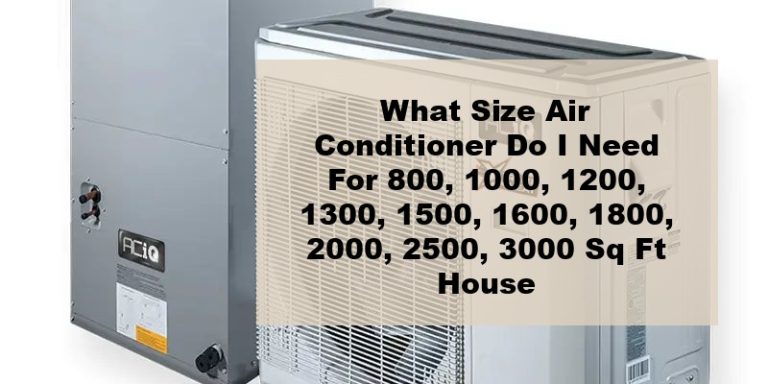
Underestimating your cooling needs is also a no-no. A struggling AC unit will drive up your energy bills and leave you feeling less than comfortable.
Do not ignore the filter! A dirty filter restricts airflow and reduces the efficiency of your AC unit.
Beyond BTUs: SEER Ratings and Energy Efficiency
Pay attention to the SEER rating (Seasonal Energy Efficiency Ratio) of the AC unit. A higher SEER rating means greater energy efficiency and lower energy bills.
It's like choosing a fuel-efficient car. A higher SEER rating saves you money in the long run.
Investing in an energy-efficient AC unit is a smart move for your wallet and the environment.
Staying Cool and Comfortable: A Final Thought
Finding the right size AC unit for your 1600 square foot home is an investment in your comfort and well-being.
Take the time to consider all the relevant factors, seek professional advice, and choose an energy-efficient model.
Now go forth and conquer the heat, my friends! Enjoy your perfectly cooled oasis.
Remember, a happy home is a cool home! And a cool home is a happy home.