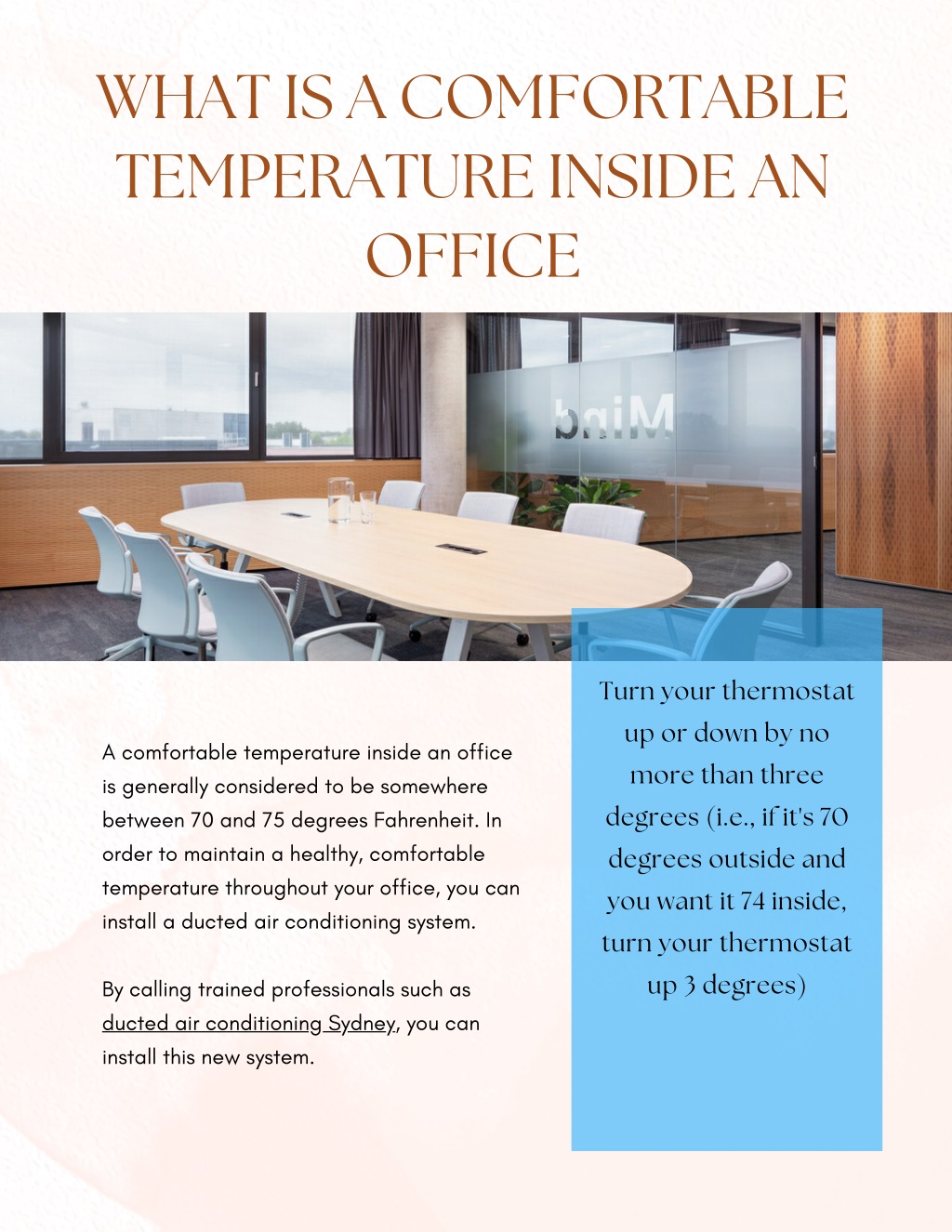
What Should The Temperature Be In An Office
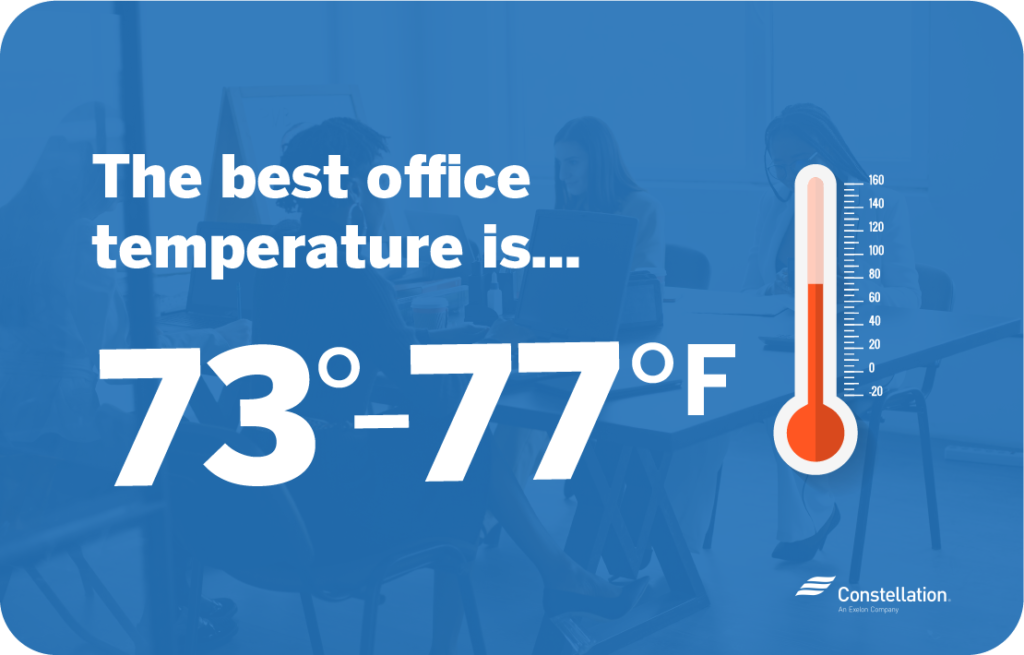
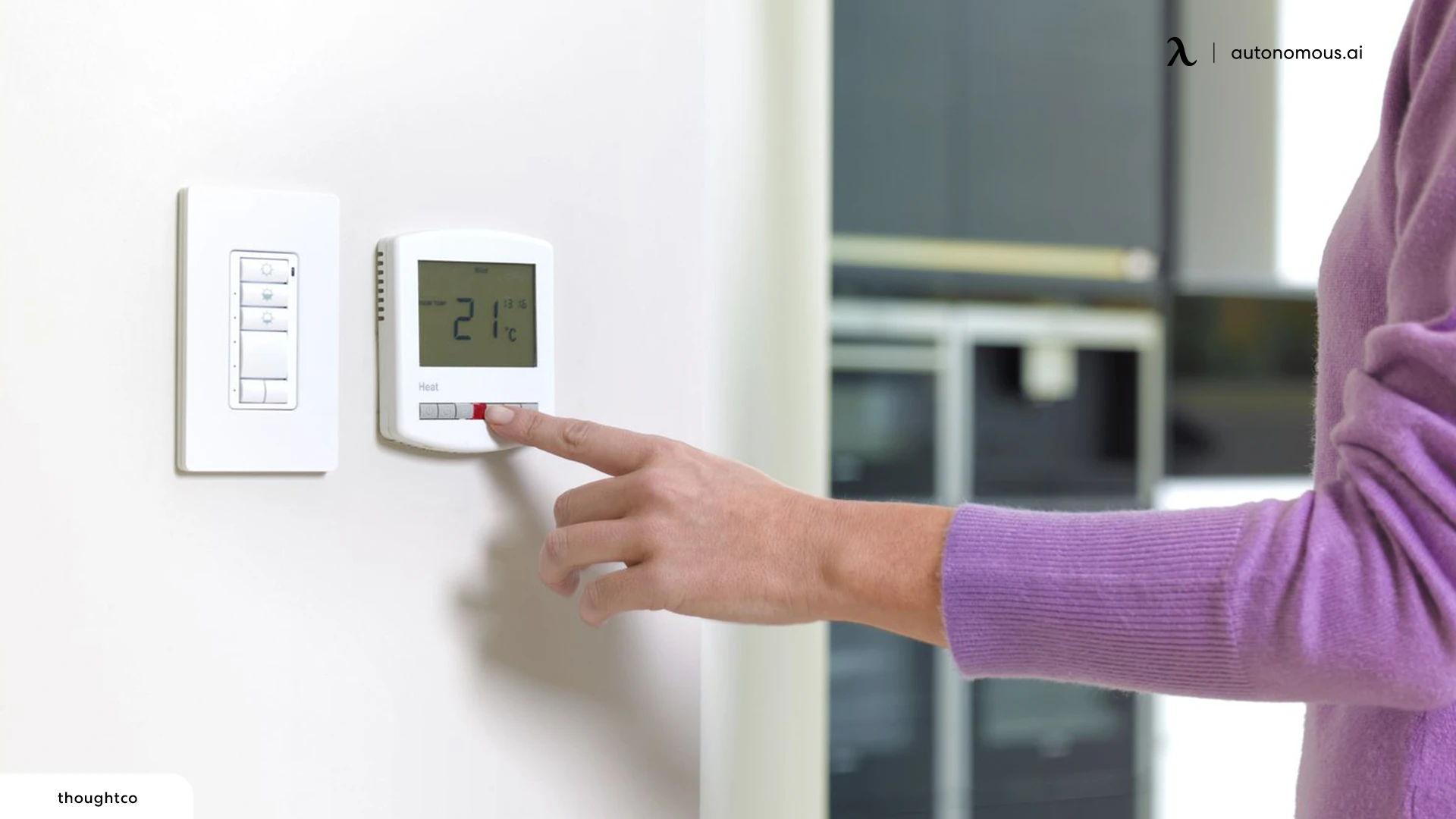
Ah, the office thermostat. The silent battleground where productivity goes to die and passive-aggressive sticky note wars are waged. It’s the Goldilocks zone of corporate existence – too hot, you’re melting into your chair; too cold, you’re convinced you’ve accidentally stumbled into a meat locker. Finding that just right temperature can feel like searching for the Holy Grail… made of fleece.
We've all been there, right? Shivering under a blanket indoors while Karen from accounting, who apparently runs on internal combustion, fans herself with a company brochure. Or maybe you're the Karen (no offense to actual Karens!), radiating heat like a small sun while your colleagues resemble frosted penguins. The struggle is real.
The Official (and Slightly Boring) Answer
Okay, before we dive into the fun stuff, let's address the official guidelines. According to OSHA (Occupational Safety and Health Administration), there isn’t one magic number. Instead, they recommend that employers keep the temperature in the range of 68-76°F (20-24.5°C). Sounds reasonable, right? Like a compromise everyone can live with… until you factor in personal preferences, building insulation, and the proximity of your desk to the perpetually drafty window.
Must Read
Essentially, OSHA's saying, "Try to be nice to each other, folks." Good luck with that!
Why Is This Such a Big Deal?
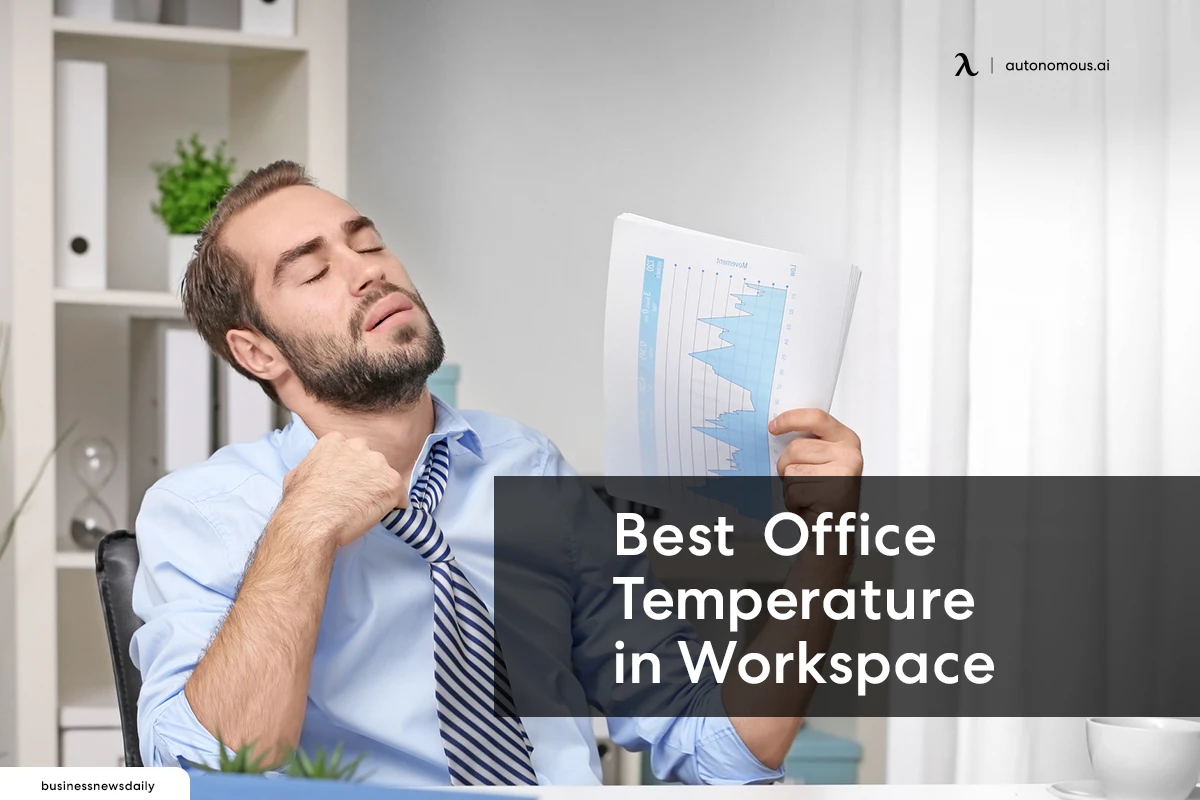
You might think, "It's just a few degrees, what's the big deal?" Well, temperature seriously affects productivity. Think about it. Are you going to be churning out brilliant reports when your fingers are so numb you can barely type? Or when you're sweating so profusely you're afraid you’ll short-circuit your keyboard?

Studies show that optimal performance happens in a comfortable temperature range. Too cold, and your body focuses on keeping you warm, not on spreadsheets. Too hot, and you're sluggish and prone to making mistakes. It’s a delicate balance.
Factors That Complicate Everything
So, 68-76°F seems simple enough, but here's where the plot thickens:
- Personal Metabolism: Some people naturally run hotter or colder than others. It’s a biological fact!
- Clothing: Wearing a t-shirt in January? You're gonna have a bad time. Layers are your friend, people!
- Office Layout: Desks near windows, vents, or even just high-traffic areas can experience temperature fluctuations.
- Building Age: Let’s be honest, some office buildings are basically glorified refrigerators or ovens, depending on the season.
It’s like trying to bake a cake in an oven with a broken thermostat. You might get something edible, but chances are, it’s going to be… interesting.
How to Survive (and Maybe Even Thrive) in the Office Temperature Wars
Alright, so what can you do when you're stuck in a temperature battleground? Here are a few strategies:
- Embrace Layers: This is your first line of defense. Sweaters, cardigans, shawls – become a master of the art of layering.
- Personal Fan or Heater: A small, portable fan or heater can make a surprisingly big difference. Just be mindful of your coworkers' comfort.
- Strategic Desk Placement: If possible, try to move your desk away from drafts or direct sunlight.
- Communicate (Nicely!): Talk to your coworkers and building management about your concerns. Maybe there's a compromise that can be reached. A respectful email is more effective than a passive-aggressive sticky note.
- Accept the Inevitable: Sometimes, you just have to accept that you can't win them all. Embrace the blanket life or invest in a good sweatband.
Ultimately, the ideal office temperature is a myth, a legend, a unicorn. But with a little understanding, a dash of empathy, and a whole lot of layering, you can navigate the temperature wars and hopefully keep your sanity (and your body temperature) intact.
Remember, we’re all in this together. May your office thermostat be ever in your favor!