What Should I Set My Thermostat To In The Winter

Let's face it, folks, winter can be a real drag. The days are short, the nights are long, and that bone-chilling air seems to seep into every corner of your home. But fear not! There's one powerful weapon in your arsenal against the winter blues: your thermostat! Setting it just right can be a surprisingly fun and empowering way to conquer the cold, save money, and even boost your overall comfort. So, let’s dive into the wonderful world of winter thermostat settings!
The purpose of tweaking your thermostat isn't just about feeling cozy; it's about striking a delicate balance. We're aiming for optimal comfort while simultaneously minimizing energy consumption. Think of it as a strategic game – you want to be warm enough to avoid wearing three sweaters indoors, but not so warm that you're throwing open windows in January. The benefits are clear: a lighter energy bill, a reduced carbon footprint, and a happier, more comfortable you!
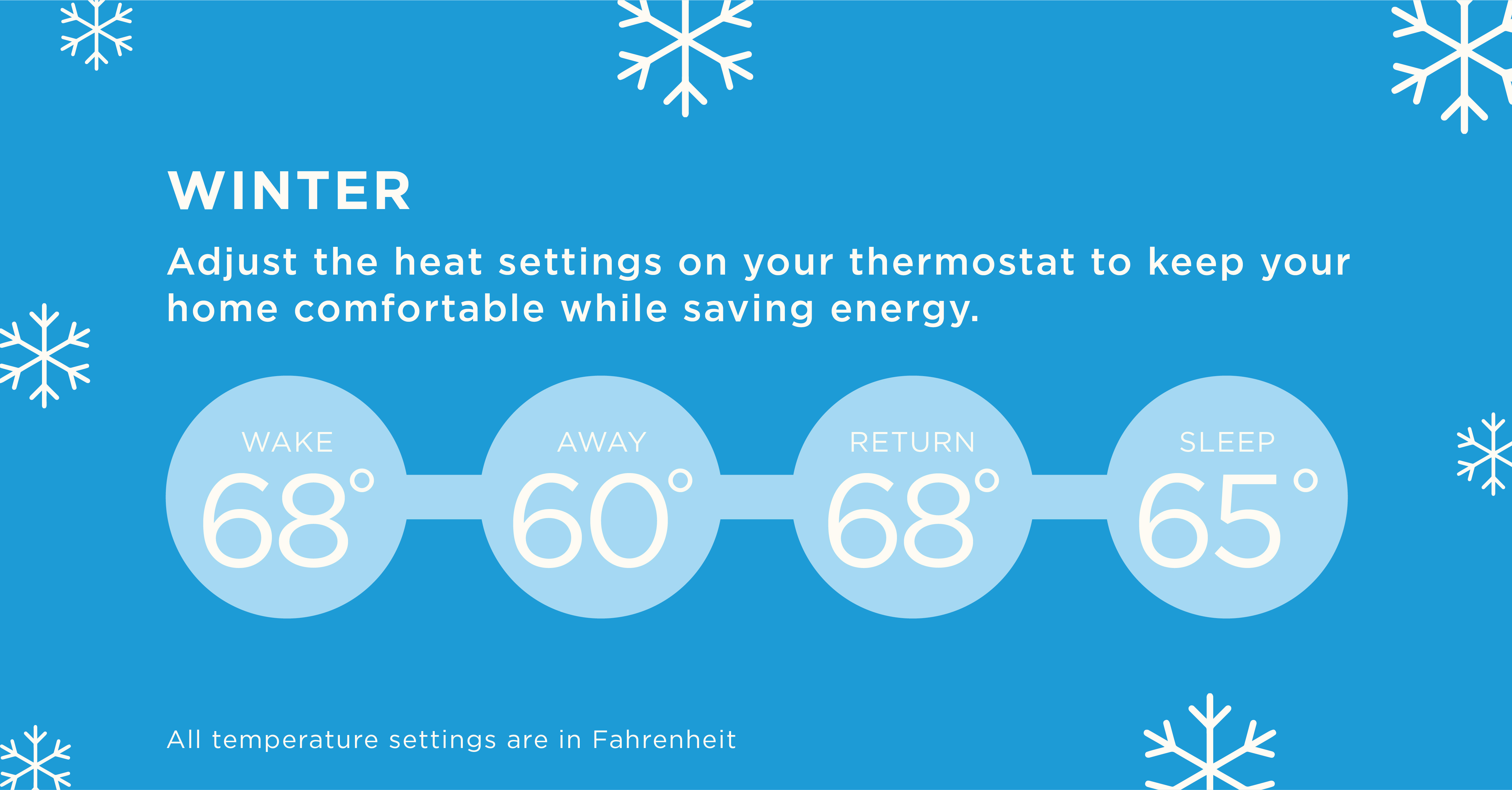
So, what's the magic number? Well, there isn't a single, universally perfect temperature. But, a commonly recommended starting point is 68 degrees Fahrenheit (20 degrees Celsius) when you're home and awake. This provides a comfortable environment for most people without being overly wasteful. Think of it as your baseline – you can always adjust slightly based on your personal preference.
Must Read
Now, here's where things get interesting. When you're asleep or away from home, you can significantly lower your thermostat. Experts recommend setting it back 10-15 degrees Fahrenheit (5-8 degrees Celsius) for eight hours or more. This is because your body temperature naturally drops while you sleep, and you’re likely snuggled under blankets anyway. When you're away, there's no need to heat an empty house to the same level as when you're lounging on the couch. By lowering the temperature, you're essentially telling your heating system to take a break, resulting in considerable energy savings. This could be as low as 55 degrees Fahrenheit (13 degrees Celsius), depending on your comfort level and the climate you live in.
Of course, these are just guidelines. Some people naturally run warmer or colder than others. Pay attention to your body and adjust accordingly. If you find yourself constantly reaching for a blanket at 68 degrees, bump it up a degree or two. If you're sweating in your pajamas, dial it back. The key is to experiment and find what works best for you.
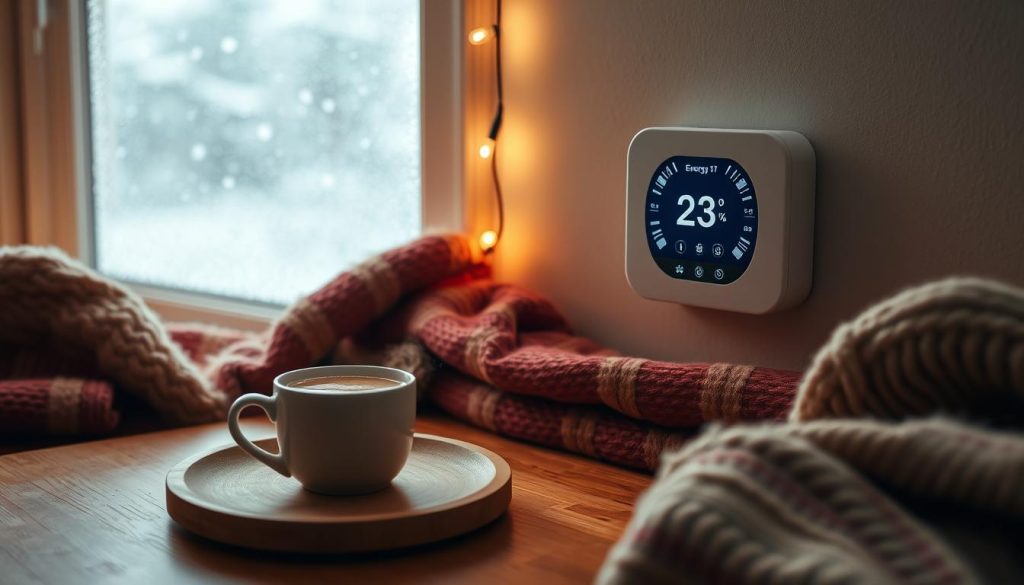
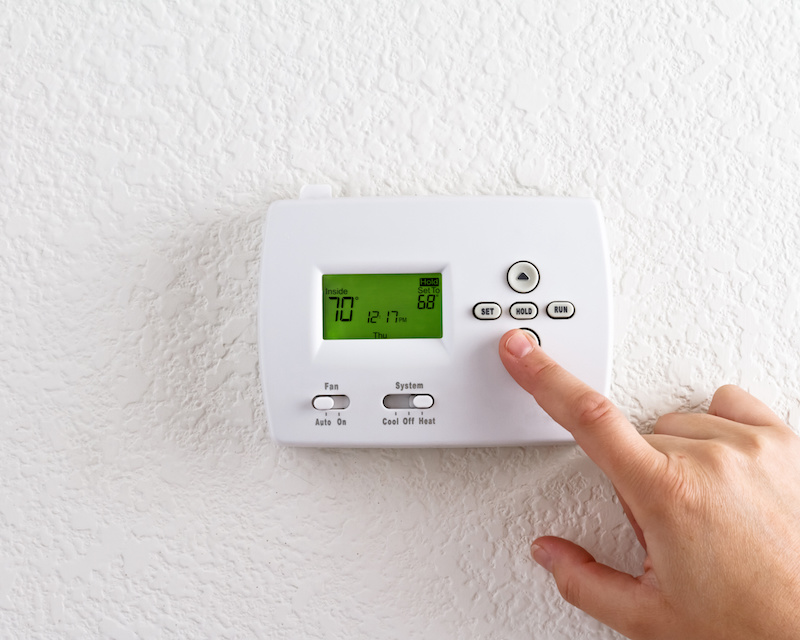
Don’t forget about programmable thermostats! These are absolute game-changers. You can set them to automatically adjust the temperature based on your schedule, ensuring that your home is warm when you need it to be and energy-efficient when you don't. They take the guesswork out of thermostat management and can save you a significant amount of money over time.
In conclusion, mastering your winter thermostat settings is a simple yet powerful way to improve your comfort, save money, and reduce your environmental impact. So, get out there, experiment, and find your perfect temperature zone! You'll be amazed at the difference it can make.