
What Should I Put My Thermostat On In The Winter
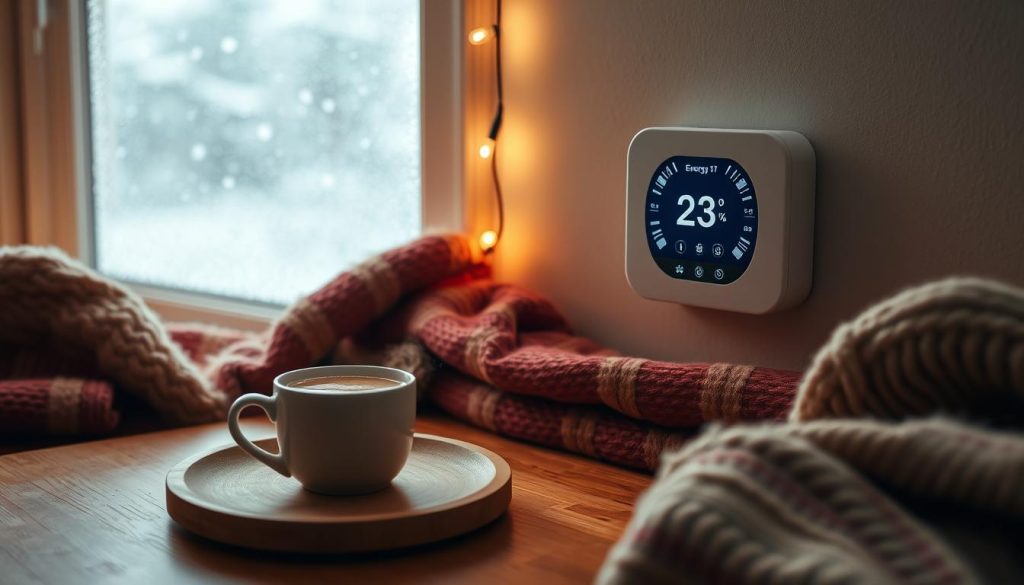
Okay, let's talk about winter and that little box on your wall that controls your destiny (or at least, your comfort): your thermostat! It's a seemingly simple device, but finding the sweet spot for your thermostat setting can feel like cracking a secret code. Too low, and you're shivering under a mountain of blankets. Too high, and your energy bill looks like a winning lottery ticket... except you're losing money instead of gaining it. So, what's the magic number?
The Goldilocks Zone: Not Too Hot, Not Too Cold
There's no one-size-fits-all answer, unfortunately. It depends on a few factors: your personal preferences, how well your house is insulated, and even what kind of clothes you like to wear indoors. But generally, most experts agree that a temperature between 68°F and 72°F (20°C and 22°C) is a good starting point when you're home and awake.
Think of it like this: 68-72 degrees is the comfortable temperature of that perfectly brewed cup of tea you sip on a chilly day. Just warm enough to soothe, but not scalding. Not going to give you that burnt tongue feeling! You want your house to feel the same way!
Must Read
Why this range? Well, it's a good balance between comfort and energy efficiency. Running your furnace constantly to keep your house at a balmy 75°F might feel luxurious, but your wallet will definitely feel the pain!
Turning Down the Heat: Sleeping and Away
Here's where things get really interesting. Did you know you can save a significant amount of money by turning down your thermostat when you're asleep or away from home? And guess what? It's actually good for you!
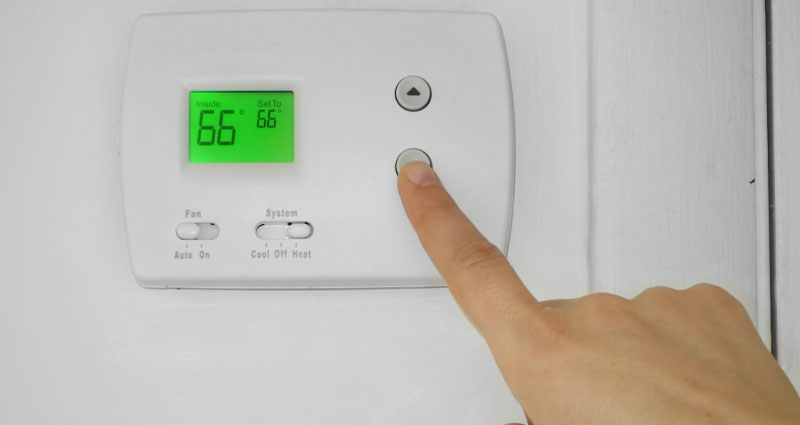
When you sleep, your body temperature naturally drops. So, a slightly cooler room actually promotes better sleep. Think of it like snuggling up under the covers in a crisp, cool room – pure bliss! Aim for a temperature of around 60°F to 67°F (16°C to 19°C) while you're sleeping. You won't even notice the chill under your cozy blankets, and your energy bill will thank you.
Similarly, when you're not home, there's no need to heat an empty house. Turning your thermostat down by 7-10 degrees Fahrenheit (4-6 degrees Celsius) for eight hours or more can save you up to 10% on your heating bill! Imagine that extra cash going towards a fun weekend getaway or a fancy dinner. Who wouldn't want that?
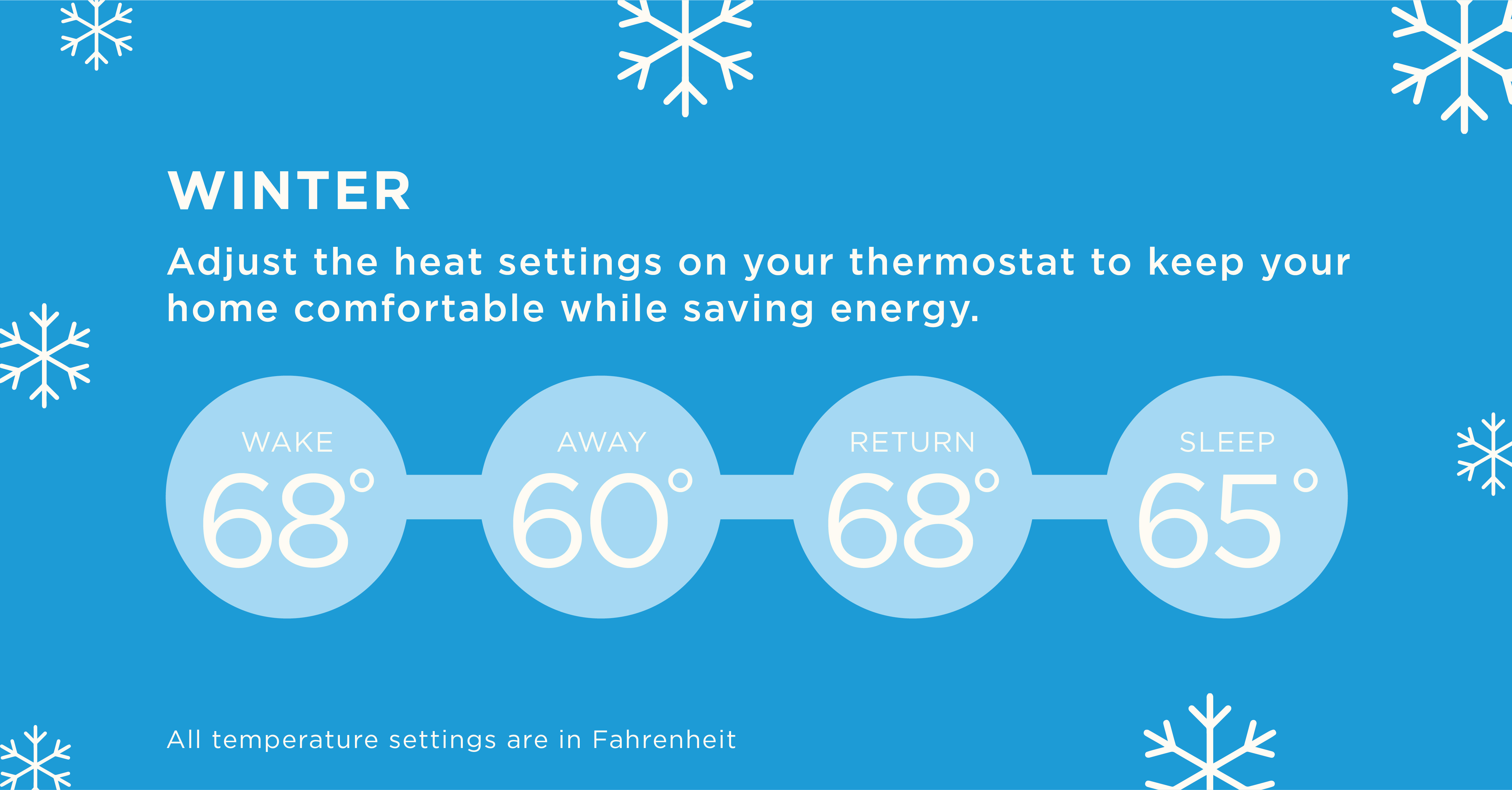
Here's a little scenario: You're heading out for a long day at work. Instead of leaving the thermostat at your usual 70°F, dial it back to 62°F. Your house won't get freezing cold, but it will save energy. And when you come home, a quick adjustment will bring it back to your comfortable temperature in no time. That's the magic of modern technology, folks!
Programmable Thermostats: Your Energy-Saving Sidekick
Speaking of modern technology, have you considered a programmable thermostat? These little gadgets are like having a personal climate control assistant. You can set schedules for different times of the day and different days of the week. No more manually adjusting the thermostat every morning and evening!
Imagine this: Your thermostat automatically turns down the heat when you leave for work and then warms up the house just before you get home. It's like having a warm hug waiting for you as soon as you walk through the door. Plus, it's a huge energy saver in the long run.

Many smart thermostats even learn your habits and adjust the temperature automatically. They're like tiny, temperature-obsessed robots working tirelessly to keep you comfortable and save you money. What's not to love?
Don't Forget the Human Factor!
Remember, comfort is subjective. What feels perfectly cozy to one person might feel like the Arctic to another. Don't be afraid to experiment and find the temperature settings that work best for you. Consider wearing warmer clothing indoors if you prefer a slightly cooler house. Thick socks, sweaters, and blankets are your friends!

Pro tip: Drafts can make a huge difference in how warm or cold your house feels. Seal up any cracks around windows and doors with weather stripping or caulk. It's a cheap and easy way to improve your home's energy efficiency.
Also, consider the direction your house faces. A south-facing room will naturally be warmer than a north-facing one on a sunny day. Adjust your thermostat accordingly!
Final Thoughts: Be Smart, Be Comfortable
Finding the right thermostat setting is all about striking a balance between comfort and energy efficiency. By understanding the principles of temperature control and using a little bit of common sense, you can stay warm and cozy all winter long without breaking the bank. So go ahead, experiment with your thermostat and discover your personal Goldilocks zone. Your wallet (and your comfort levels) will thank you!