
What Should Heater Be Set At

Ah, the eternal winter (or shoulder season) question: what is the magic number on the thermostat? It's a dance between comfort, energy bills, and that perfectly cozy vibe we all crave. Forget rigid rules, because just like your morning coffee order, the ideal temperature is surprisingly personal. Let's find your sweet spot, shall we?
The Goldilocks Zone: Not Too Hot, Not Too Cold
There's a reason we often talk about the "Goldilocks zone" when it comes to temperature. You're aiming for that just right feeling. While personal preference reigns supreme, there are some widely accepted benchmarks that can guide you, often balancing comfort with efficiency.
For most of us, a comfortable daytime temperature when you're actively at home and awake hovers between 68-72°F (20-22°C). This range allows for easy movement without feeling stifled or shivering. It's the temperature equivalent of a perfectly fitted, soft sweater – warm enough, but not suffocating.
Must Read
When it comes to bedtime, things shift a little. Many experts, and a whole lot of sleep-deprived folks, suggest a cooler setting for better rest. Think somewhere around 60-67°F (16-19°C). Our bodies naturally cool down to prepare for sleep, and a cooler room aids this process, leading to more restorative slumber. Plus, it's a fantastic way to save a few bucks on your heating bill!
And what about when you're out and about, living your best life? If you're heading out for the day or even a weekend trip, resist the urge to turn the heat off completely. Instead, set your thermostat to a lower, but still safe, temperature. Anywhere from 50-55°F (10-13°C) is usually sufficient to prevent pipes from freezing in colder climates, and it means your system isn't working overtime to reheat a super-cold house when you return.

Beyond the Numbers: Factors That Matter
The numbers are a great starting point, but your home is a unique ecosystem. Several elements play a starring role in how you perceive that temperature setting:
Your Personal Thermostat: Are you naturally a hot sleeper? Do you always feel cold, even in a sauna? Your internal thermostat is the biggest player. Listen to your body!

What You're Wearing: If you're still in shorts and a t-shirt in December, perhaps a warmer setting is in order. Embrace "sweater weather"! A cozy pair of socks and a soft throw can make a 68°F room feel like 72°F without touching the dial.
Home Insulation & Drafts: An older home with drafty windows will feel much colder at 70°F than a well-insulated, modern build. Simple fixes like draft stoppers or heavy curtains can make a world of difference. It's like giving your house a warm winter coat!
Pets & Tiny Humans: If you have pets or small children, their comfort is key. Babies generally need rooms that are slightly warmer, but not too hot, typically around 68-72°F. Keep an eye on your furry friends too; some breeds are more sensitive to cold than others.

Activity Levels: Are you curled up on the couch binge-watching or bustling around cleaning? A lower temperature might be fine when you're active, but you'll want it cozier for relaxation.
Humidity: Dry air feels colder. In winter, adding a humidifier can make your home feel warmer and more comfortable, often allowing you to set the thermostat a degree or two lower while still feeling great. It’s a little trick that works wonders!
Smart Strategies for a Smarter Home
In this modern age, technology is our friend. A programmable or smart thermostat can be a game-changer. Set schedules for different times of day and night, even when you're away. Some smart thermostats learn your habits, sense when you're home, and even adjust based on local weather forecasts. It's like having a tiny, efficient butler for your home's climate!
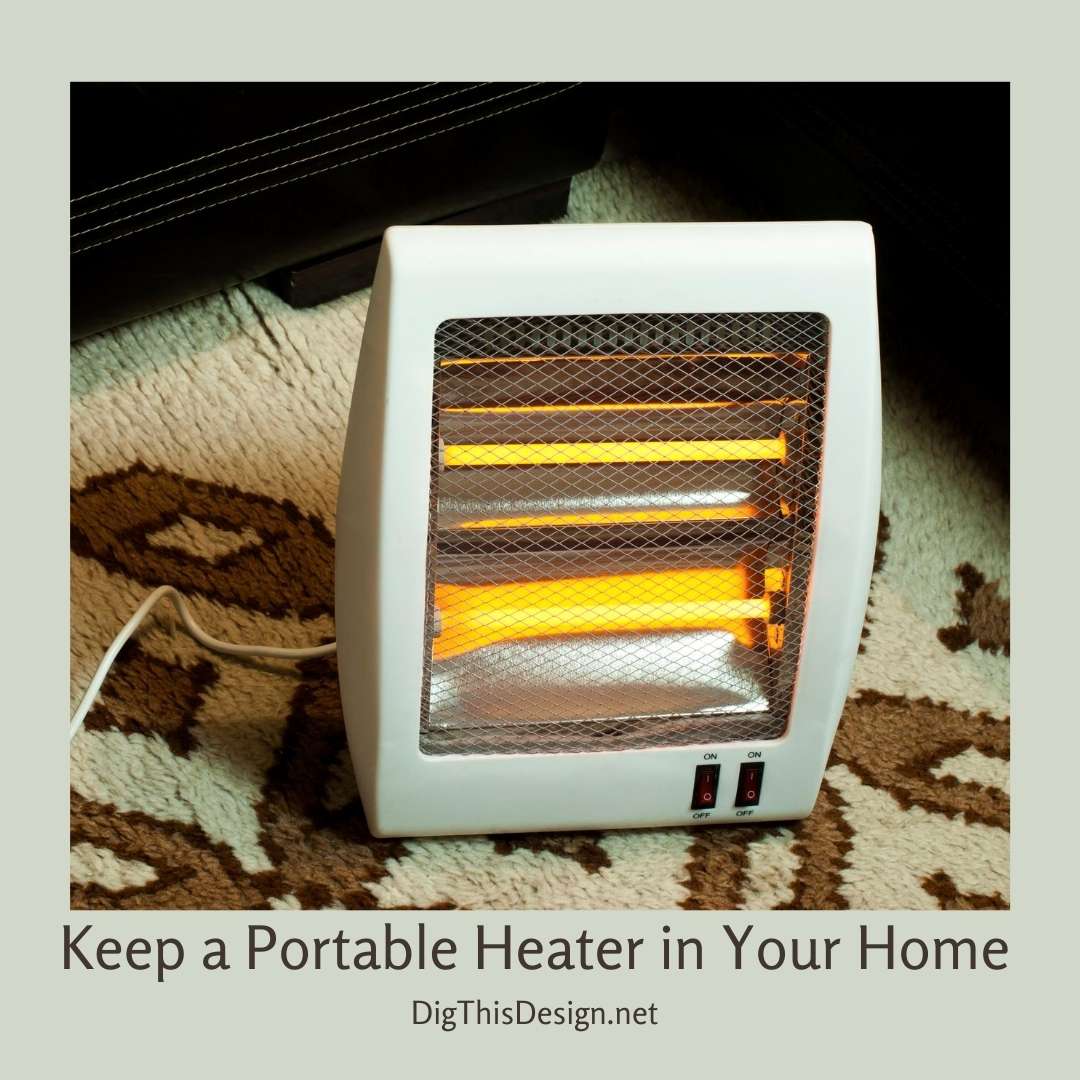
Consider zone heating if your home allows it. Why heat the entire house to 72°F if you're only spending time in the living room? Closing vents in unused rooms (if you have a central forced-air system) can help direct warmth where it's needed most, though always ensure your furnace filter is clean for optimal performance.
It's Your Sanctuary
Ultimately, your home is your sanctuary, and it should feel just right for you. There's no universal "correct" answer, but rather a spectrum of comfortable possibilities. Experiment, listen to your body, and make adjustments. The goal isn't just to save energy (though that's a fantastic bonus!), but to create an environment where you feel truly at ease, whether you're sipping hot cocoa, hosting friends, or drifting off to dreamland. Finding that perfect temperature is about more than just numbers; it's about nurturing your well-being and making your daily life just a little bit more comfortable.