
What Setting For Heat In Winter

Alright, settle in, grab a mug of something warm (or cold, no judgment here), because we're about to dive into one of winter's greatest, most hotly debated mysteries: What is the ideal setting for your thermostat when the outside world has decided to reenact a scene from "Frozen" without the catchy songs?
It’s a question that has sparked more family squabbles than whose turn it is to do the dishes, and caused more dramatic sighs than a teenager asked to clean their room. We've all been there, right? One minute you’re basking in what feels like a tropical rainforest, the next you’re shivering so hard your teeth are doing a tap dance, all thanks to the magical, mysterious box on the wall.
The Great 68°F Debate: Is It the Holy Grail?
Let's talk numbers, shall we? If you ask the energy experts (who, let's be honest, probably wear cardigans indoors even in July), they’ll often whisper a mystical number: 68 degrees Fahrenheit (that's about 20 degrees Celsius for our metric-minded friends). This, my friends, is often touted as the Goldilocks zone – not too hot, not too cold, but just right for daytime comfort and energy efficiency.
Must Read
Think of it as the thermostat's equivalent of a sensible pair of shoes. It gets the job done without making a fuss, and it won't send your energy bill into orbit. But let’s be real, for some of us, 68°F feels like we're still negotiating with a polar bear to share its den. For others, it’s akin to living in a sauna designed by someone who really, really likes sweat. Ah, the human condition!
Nighttime Nudge: Embrace the Chill (Kind Of)
Now, when the moon is out and you’re tucked under a mountain of blankets (or maybe just a single sheet, depending on your internal furnace), things change. Most experts agree that you can comfortably drop your thermostat a few degrees. We're talking 60-65°F (15-18°C).

Why? Well, for starters, you’re usually snuggled up in bed, generating your own little microclimate. Plus, studies (and anecdotal evidence from anyone who’s ever saved a few bucks) show that a cooler sleeping environment can actually lead to better quality sleep. Who knew? So, you're not just saving money; you're also becoming a well-rested, financially savvy superhero. Take that, high energy bills!
Just don't go full arctic explorer and set it to 40°F, unless you enjoy waking up to ice crystals on your eyelashes. Even your pipes won't appreciate that extreme dedication to frugality.
Away We Go: The Art of the Deep Freeze (For Your Home)
What about when you're out and about, living your best life, far from the watchful eye of your thermostat? This is where you can really flex those energy-saving muscles. If you're going to be gone for more than a few hours, consider dropping that temperature even further – down to something like 55-60°F (13-15°C).
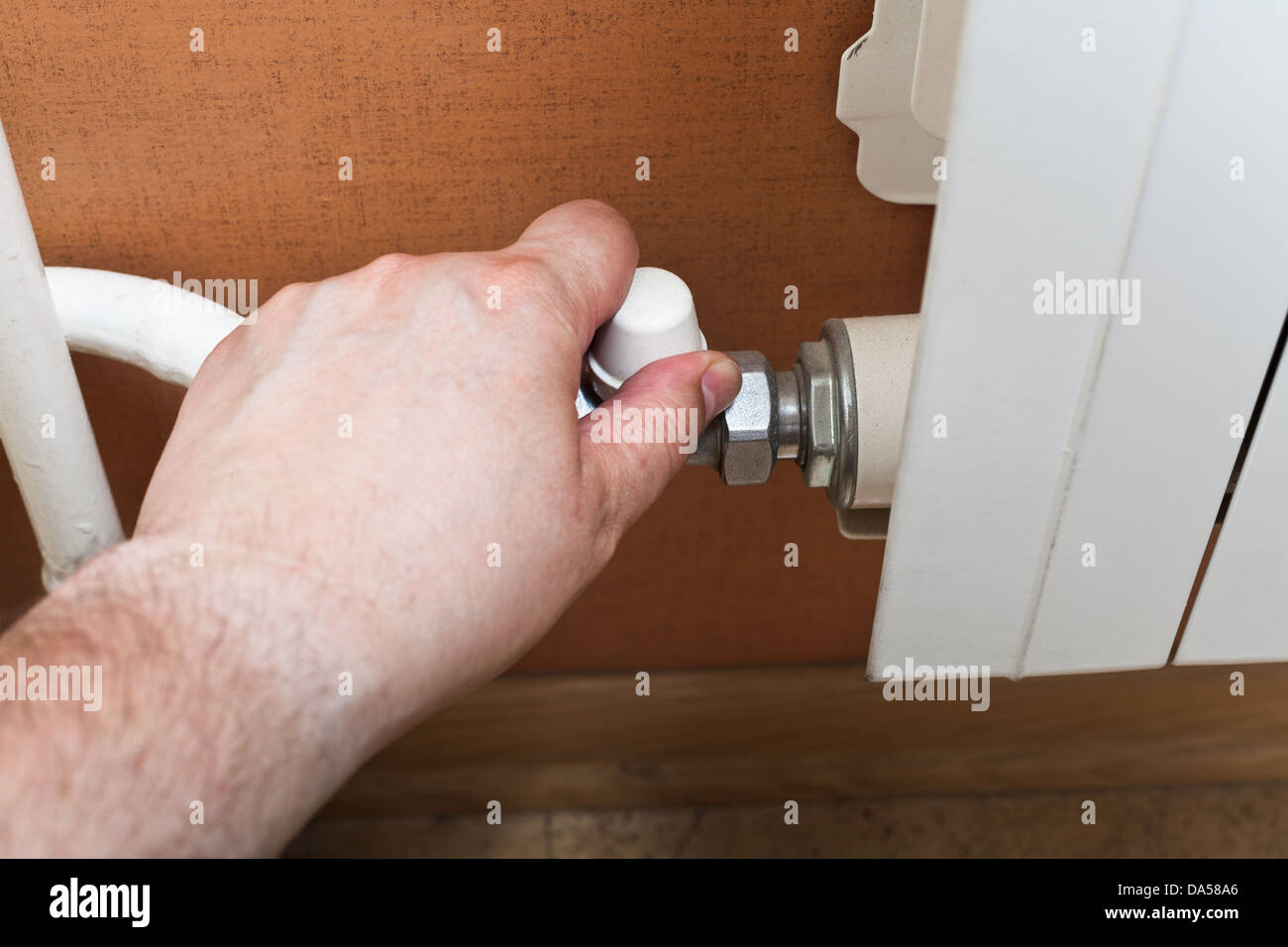
Your furniture doesn't care if it's a little chilly, and your houseplants are probably tougher than you think (though maybe don't test that theory with your delicate orchids). The goal here is to prevent pipes from freezing and to keep the house from becoming a giant ice cube, which would then require a massive amount of energy to reheat. Think of it as putting your house in a pleasant, energy-saving coma.
Pro tip: If you have a smart thermostat, you can schedule these temperature drops automatically. It’s like having a tiny, digital butler who’s obsessed with your utility bill. So futuristic!
The Human Element: Thermostat Wars are Real
All these numbers are great in theory, but then you introduce the wild card: other humans. Or even yourself, on a particularly chilly Tuesday. One person's "comfortably warm" is another's "I think I'm melting into the sofa."
You’ve got the eternal optimist who thinks 65°F is a heatwave, and the perpetually cold individual who would happily crank it to 75°F and wear a t-shirt in January. This, my friends, is the crucible where thermostat wars are forged. The secret? Compromise and layers. Lots and lots of layers.
Beyond the Dial: Hack Your Warmth
Before you go cranking that dial like it’s a DJ mixer at a rave, consider some low-tech, high-impact strategies:

- Embrace the Blanket: It’s a classic for a reason. A cozy throw blanket is like a personal heating system that doesn’t add a cent to your bill.
- Dress for Success (Against the Cold): Think sweaters, warm socks, perhaps even a hat if you're feeling particularly theatrical. Remember your grandma's advice: layers, layers, layers!
- Hot Beverages: A cup of tea, coffee, or hot chocolate isn't just delicious; it’s an internal heating system that warms you from the inside out. Bonus points for holding the warm mug.
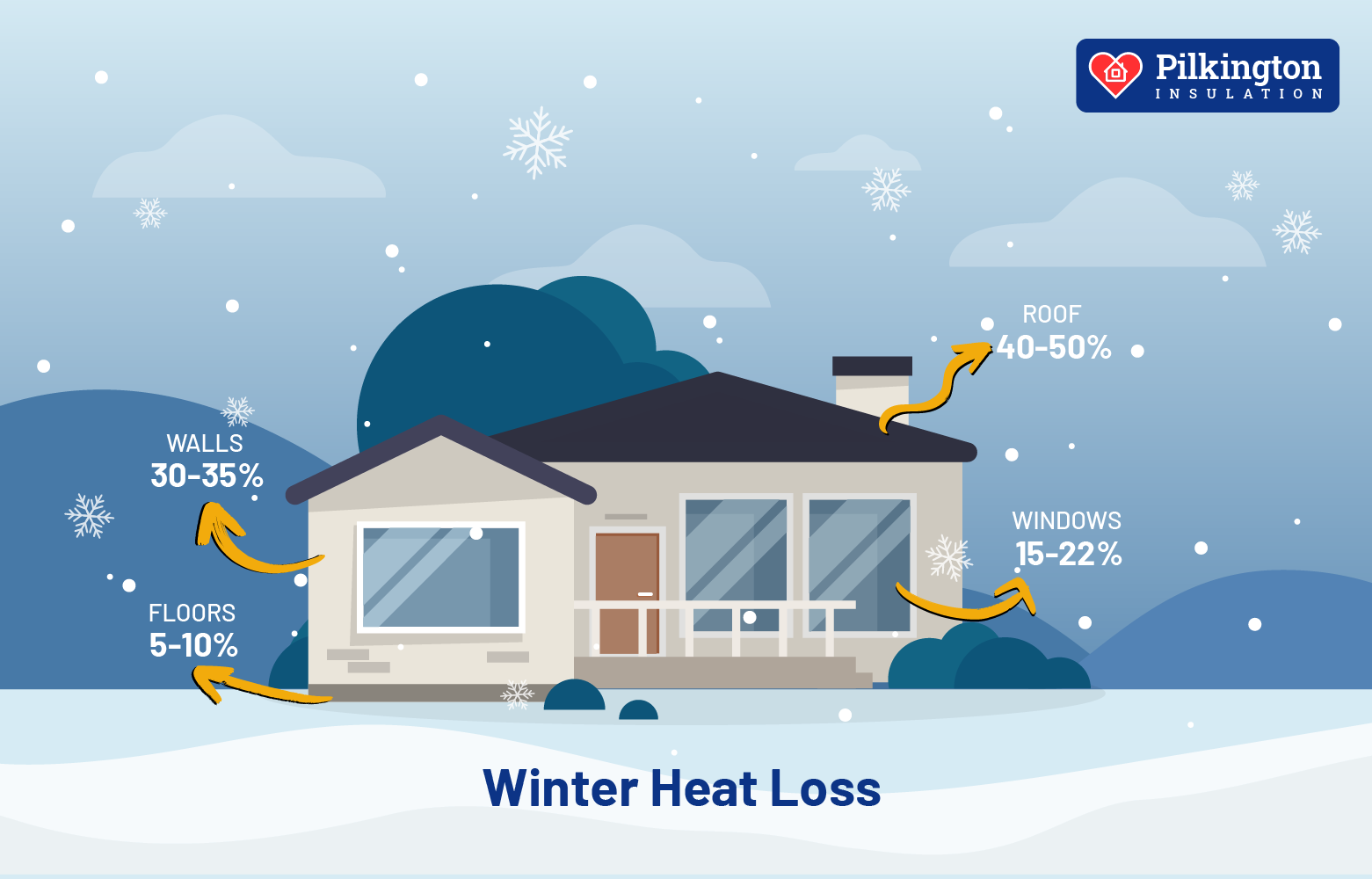
- Seal the Leaks: Drafts are notorious energy thieves. A little weatherstripping or caulk can make a surprising difference. It's like putting a tiny winter coat on your house.
- Let the Sunshine In: On sunny days, open those curtains! Let natural light and warmth flood your home. Just remember to close them when the sun sets to trap that precious heat.
The Pet Factor: What Do Fido and Whiskers Think?
While your dog probably has a built-in fur coat and your cat views any warm spot as its personal domain, it’s worth a quick thought. Most pets are quite adaptable, but extreme cold can be uncomfortable for them too, especially older or short-haired animals. They often appreciate a comfy blanket or a sunny spot, just like us. If your pet is shivering, it might be a sign that even they think you've gone a bit too far with the energy saving.
The Final Verdict: It’s Your Warmth Kingdom
So, what’s the definitive setting? The truth is, my dear reader, there isn’t one single, universal, divinely ordained temperature. It’s a delicate dance between comfort, cost, and common sense.
Start with the recommended 68°F during the day, adjust for sleep and when you're away, and then listen to your body (and maybe your wallet). Experiment, find your personal sweet spot, and don't be afraid to use those blankets. Because in the end, winter heating is about making your home a sanctuary, not an arctic research station or a tropical greenhouse. Stay warm, my friends!