
What Sets Off Fire Alarms
Alright, spill the beans. We've all been there, right? That ear-splitting, heart-stopping shriek that makes you leap three feet in the air and wonder if this is finally the big one. Fire alarms. They're a necessary evil, a loud, obnoxious protector. But seriously, sometimes it feels like they're just looking for an excuse to go off, doesn't it?
So, what exactly flips their switch? Beyond the obvious, I mean. Because, like, actual fire? Duh. That's their job, and we appreciate it when there's an actual inferno brewing. But what about all the other times, the "false alarms" that make you want to throw your shoe at the ceiling?
The Usual Suspects (Beyond Flames)
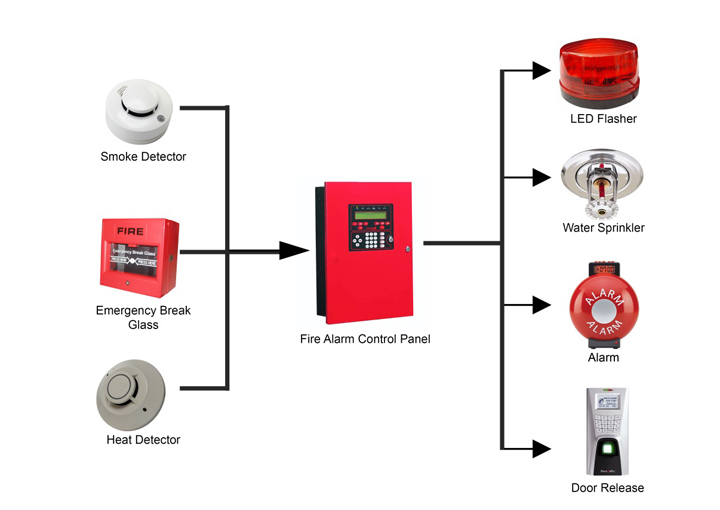
Let's talk about smoke first, because that's their primary language. Most residential smoke detectors are photoelectric or ionization. Photoelectric ones are basically little light-beam watchers. If smoke particles interrupt the beam, the alarm goes bonkers. Ionization alarms, on the other hand, have a tiny radioactive source (don't freak out, it's super small and safe!) that ionizes the air, creating a current. Smoke messes with that current, and BOOM – siren city.
Must Read
Now, these guys are sensitive. And I mean, really sensitive. Ever tried making a glorious breakfast only for your bacon to get a little too crispy? Yep, burnt toast is practically the fire alarm's favorite snack. It sees those tiny carbon particles, thinks "FIRE!", and decides everyone needs to know you're having a bad morning.
Cooking in general is a huge culprit. Searing a steak? Stir-frying with high heat? Even just popping something in the oven that decided to self-immolate a little bit. Those invisible (to us!) smoke plumes are like a giant red flag to your detector. It's not personal, it's just doing its job. Annoyingly well, sometimes.

Steam: The Unsung Troublemaker
Okay, so it's not always smoke. Sometimes, it's just a good, hot shower. Seriously! Those steam-filled bathrooms, especially if the door is open or the ventilation fan isn't powerful enough, can absolutely fool a photoelectric smoke detector. It mistakes the dense water vapor for smoke particles. Imagine trying to relax in a luxurious hot bath, only for the alarm to scream bloody murder. Talk about a mood killer!
Same goes for humidifiers, especially those misting ones, if they're too close to a detector. It's just a cloud, but your alarm thinks it's a dangerous cloud. Poor thing, it just wants to protect you from imaginary threats.

Dust, Bugs, and Bad Hair Days
Ever had an alarm go off for seemingly no reason? Sometimes, it's just a buildup of dust. Yep, those tiny specks floating around can accumulate inside the alarm's chamber, eventually blocking that light beam or messing with the ionization chamber just enough to trigger it. A good reminder to give your detectors a gentle vacuum or wipe now and then, right?
And then there are the little critters. A tiny spider building a web inside the detector, or an ambitious fly buzzing around the sensor? Yep. That's enough to set some of them off. Talk about an unwanted house guest causing chaos!

Oh, and what about those mornings when you're just trying to get ready? Aerosol sprays are notorious. Hair spray, deodorant, air fresheners, even some cleaning products. The fine mist of particles can look an awful lot like smoke to a detector. So maybe don't go full-on hairspray supernova directly under the alarm, okay? Just a thought.
Beyond Smoke: Heat and Humans
Not all alarms are about smoke, though. Some locations, like kitchens, boiler rooms, or industrial areas, often have heat detectors instead. Why? Because you expect some smoke and steam in a kitchen, right? A heat detector waits for a rapid rise in temperature or a sustained high temperature before it shouts. They're usually less annoying for everyday cooking, thankfully.
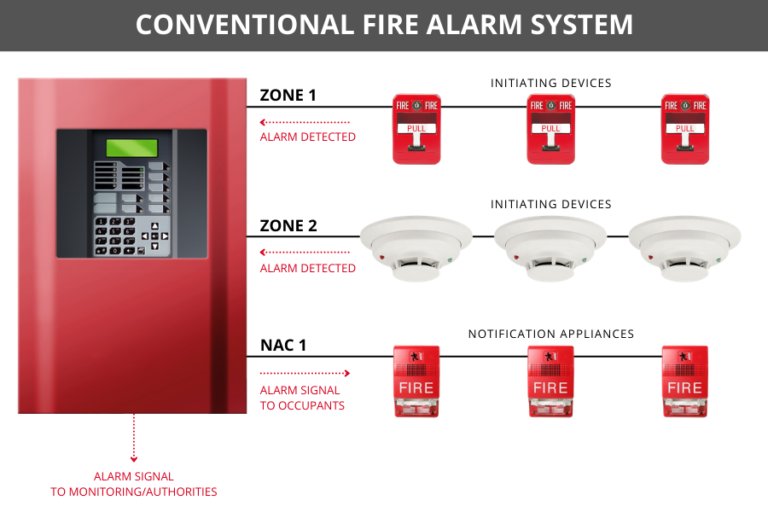
And let's not forget the good old manual pull station. You know, the red boxes on the wall that say "PULL DOWN." These are for when you see a fire and need to alert everyone immediately. Hopefully, you'll never have to use one for real. But, regrettably, sometimes curiosity (or misguided mischief) gets the better of people. That's a whole other kind of false alarm, isn't it?
The "It's Just Old" Factor
Finally, sometimes the alarm itself is just... tired. Old smoke detectors can become overly sensitive, or simply malfunction as their components degrade. The sensor might be faulty, or the internal circuitry could be glitching. Also, don't forget the low battery chirp – that's not a fire alarm, but it's equally annoying and a reminder that it's time for some maintenance!
So, there you have it. From a slightly-too-crispy bagel to a rogue spider, these things have a mind of their own. They're annoying when they're wrong, but boy, are we grateful when they're right. Now, if you'll excuse me, I think I smell my coffee brewing... hopefully, it's not too aromatic.