What Rare Earth Metals Are Used In Electronics

Ever wondered what makes your smartphone so…smart? Or how your TV manages to display such vibrant colors? The answer, in part, lies with a group of elements that sound like they belong in a fantasy novel: rare earth metals. But don't let the "rare" part intimidate you! They're crucial to modern electronics, and understanding their role is surprisingly fascinating. Think of them as the unsung heroes powering our digital lives.
Why should you care about rare earth metals? Well, for beginners, it’s about understanding the basic building blocks of the technology you use every day. Knowing that a tiny amount of neodymium is responsible for your phone's strong vibrations is pretty cool, right? For families, it can spark conversations about responsible consumption and the impact of technology on the environment. And for hobbyists – whether you're into electronics repair, building your own gadgets, or even just tinkering – knowing which rare earth metals are used in different components gives you a deeper understanding of how things work.
So, what exactly do these metals do? Let's break it down with some examples:
Must Read
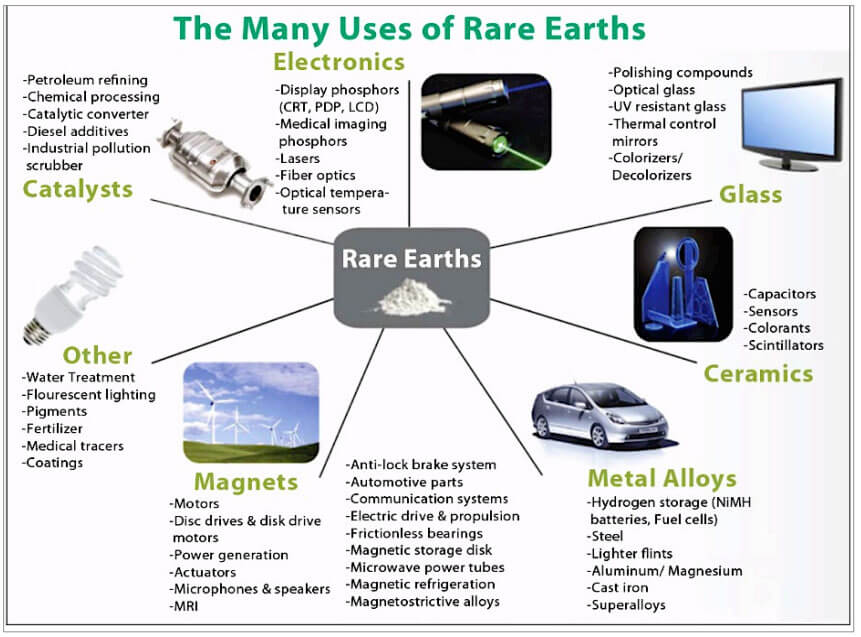
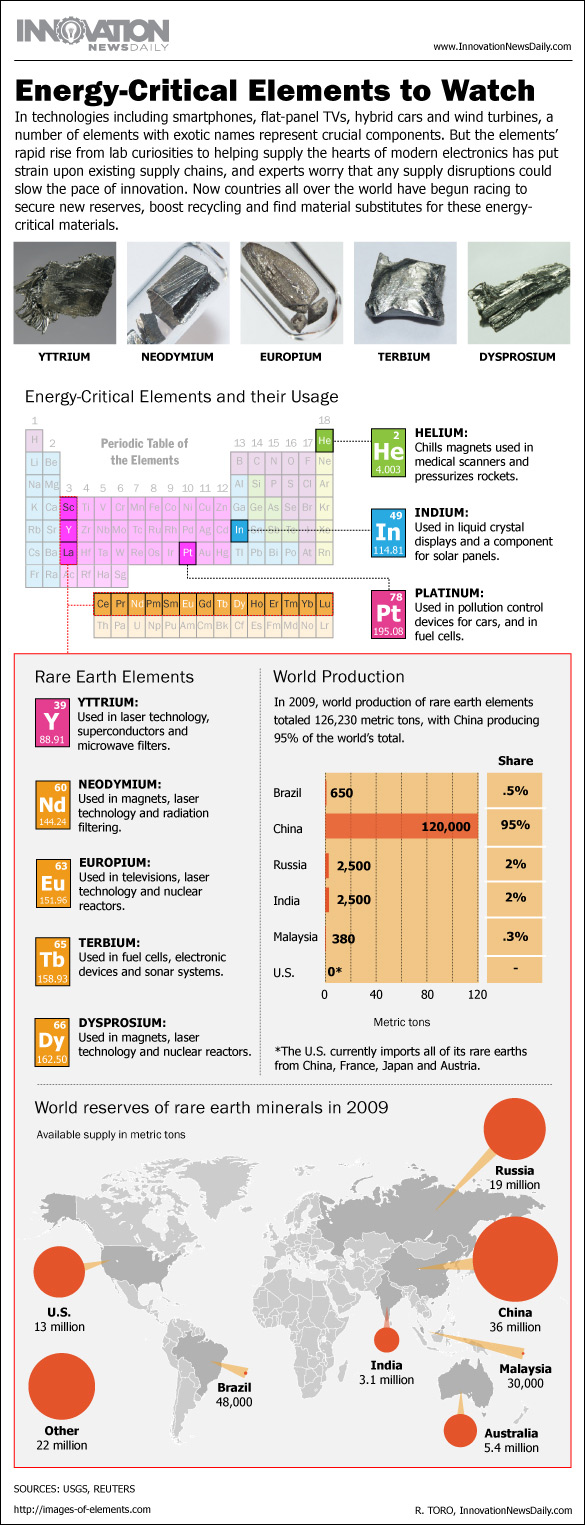
- Neodymium (Nd): You’ll find neodymium in the magnets used in smartphone speakers, headphone drivers, and hard drives. It’s also essential for the tiny motors that make your phone vibrate.
- Europium (Eu) and Terbium (Tb): These are the stars of your display. They’re used as phosphors in screens, giving you those bright, vivid reds and greens on your TV, computer monitor, and smartphone display. Without them, your screens would be much duller!
- Lanthanum (La): This metal is used in camera lenses to improve image quality. It helps to reduce distortion and ensure sharper pictures.
- Dysprosium (Dy): Added to neodymium magnets, dysprosium helps them maintain their magnetism at high temperatures. This is particularly important in electric vehicles and other applications where components get hot.
- Cerium (Ce): Cerium oxide is used in polishing compounds to smooth the surfaces of glass screens and other optical components.
These are just a few examples, and the specific rare earth metals used can vary depending on the device and its manufacturer. For example, different types of smartphone screens (LCD vs. OLED) might rely on different combinations of rare earth elements.
Want to learn more? Here are a few simple, practical tips to get started:
- Read product descriptions carefully: Sometimes, manufacturers will mention the materials used in their devices.
- Do some online research: Search for teardown articles and videos. These often identify the different components and materials used in a device. iFixit is a great resource!
- Check out educational websites: Many science and engineering websites offer introductory information about rare earth elements and their applications.
Understanding the role of rare earth metals in electronics opens up a whole new appreciation for the technology we use every day. It's not just about gadgets; it's about the fascinating science and engineering that makes them possible. So, next time you're using your smartphone, take a moment to appreciate the tiny amounts of these remarkable elements that are working hard to keep you connected and entertained.