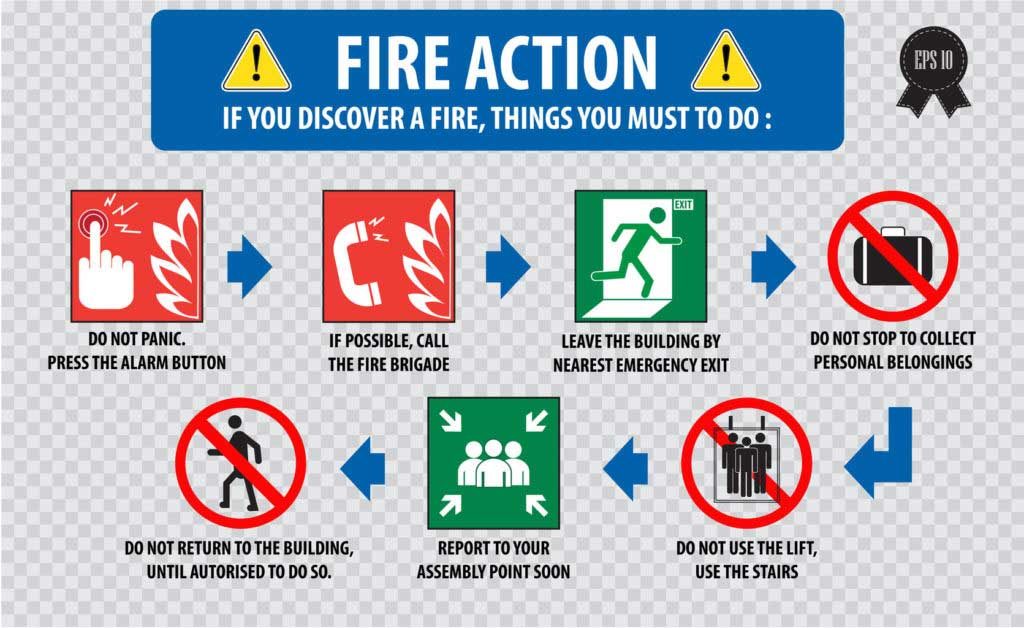
What Protocol Is Used To Respond To A Fire
When the unmistakable wail of a siren slices through the air, most of us might think of immediate danger and brave heroes rushing to the scene. And while bravery is definitely a huge part of it, have you ever stopped to wonder how firefighters know exactly what to do when they arrive at a blaze? It’s not just a chaotic dash into the smoke; it's a remarkably intricate, finely tuned process, a kind of silent language and well-practiced dance that ensures every second counts.
Imagine hitting play on a high-stakes, real-life drama. It all begins, of course, with that urgent call to 911. This isn't just someone casually asking for help; it's the critical first domino. On the other end, unflappable dispatchers become the first responders, gathering vital information: where the fire is, what's burning, if anyone is trapped. Their calm voices are the unseen hand guiding the initial response, feeding crucial details to the fire station even before the engines roll.
The Rhythmic Rush to Respond
At the station, life can go from zero to sixty in a heartbeat. When the alarm blares – a specific tone signaling a specific type of call – it's like an instant jolt of adrenaline. Firefighters, who might have been sipping coffee or cleaning equipment moments before, spring into action. There's no fumbling; it’s a practiced ballet. They slide down poles (yes, just like in the movies!), pull on their heavy gear, and are in their seats on the truck in what feels like mere seconds. Each person knows their place in the Engine Company or Truck Company, their role defined by years of training and countless drills. It's truly a marvel to watch, a testament to their dedication.
Must Read
As the sirens grow louder on the way to the incident, the crew inside the truck isn't just enjoying the ride. They’re listening intently to radio updates from dispatch, mentally rehearsing scenarios. They're picturing the building, the potential hazards, and formulating an initial plan. It’s an incredibly cerebral process happening at breakneck speed, all while navigating traffic and the inherent dangers of an emergency response. This isn't just gut instinct; it’s instinct honed by rigorous education and hands-on experience.
The Conductor and the Orchestra
Upon arrival, a pivotal figure emerges: the Incident Commander (IC). This person is the "conductor" of this life-saving orchestra. Their first job is a rapid, intense "size-up" – quickly assessing the fire's severity, location, potential spread, and whether lives are at risk. They’re looking for things like smoke color, flame intensity, building construction, and any immediate dangers. This initial assessment, often done in under a minute, dictates the entire strategy. It's where the overarching "protocol" really comes alive, but it looks less like a checklist and more like a brilliant mind rapidly processing a thousand variables.

From the IC’s directives, the rest of the crew swings into action with astonishing coordination. There’s no need for lengthy discussions. One crew might be immediately deploying a hose line, connecting to a hydrant, and getting water to the fire. Another might be focused on Search and Rescue, carefully entering the burning building to look for trapped individuals. Yet another crew might be handling Ventilation, strategically breaking windows or cutting holes in roofs to release dangerous smoke and heat, making it safer for those inside and improving visibility. Every movement is purposeful, every task interconnected.
"It’s not just about putting the wet stuff on the red stuff; it’s a sophisticated, synchronized effort where every action has a consequence, and every firefighter is a vital cog in the machine."
The beauty of this protocol isn’t in rigid rules, but in a shared understanding and trust. Firefighters train together, live together, and face danger together, forging an unbreakable bond that allows them to communicate with little more than a glance or a hand signal. They anticipate each other's needs, moving as one cohesive unit. It’s a powerful demonstration of teamwork, a silent ballet of bravery where the stakes are incredibly high.

Beyond the Flames: The Cleanup and Care
Once the fire is out, the work isn't over. There's the crucial process of Overhaul – meticulously sifting through debris to extinguish any hidden embers that could reignite. Then comes the investigation to determine the fire's cause, and finally, the heartbreaking but necessary task of comforting those affected. It’s a journey from chaos to calm, from destruction to rebuilding, all guided by a protocol that is as much about human empathy and connection as it is about nozzles and ladders.
So, the next time you hear those sirens, remember that it's not just a group of brave individuals rushing towards danger. It's a highly trained, incredibly coordinated team executing a complex, life-saving protocol – a symphony of strategy, skill, and profound human dedication, all designed to bring safety and solace back to a community in need.