
What Populations May Have Issues Metabolizing Medications
Ever wonder why some people can handle a cup of coffee no problem, while others are bouncing off the walls after just a sip? It's all about how your body, and more specifically your liver, breaks down substances. That includes medications! Turns out, some groups of people might have a harder time with this process, called metabolism, than others.
The Metabolism Mystery: Who's in the Mix?
Think of your liver as a tiny factory, diligently processing everything you ingest. It works hard! But sometimes, that factory might need a little… adjustment. Certain populations, due to genetics, age, or other factors, might have a factory running a bit differently. Let’s explore who these individuals are.
The Senior Squad
As we gracefully age, our bodies change. It's like our internal machinery has seen some years. This can affect how quickly our livers process medications.
Must Read
Imagine a vintage car engine compared to a brand new one. The older engine might need more TLC to run smoothly. Similarly, older adults may experience slower medication metabolism, leading to increased sensitivity or side effects. It's good to be aware of the changes.
Infants: The Tiny Tots
On the other end of the spectrum, we have infants! They are adorable. Their little livers are still under construction. Think of them as freshly opened factories that are not fully operational.

This means they can't always break down medications as efficiently as adults. This can make them more susceptible to the effects of certain drugs. That’s why pediatricians are super careful with dosages and medication choices.
The Genetic Lottery Winners (and Non-Winners)
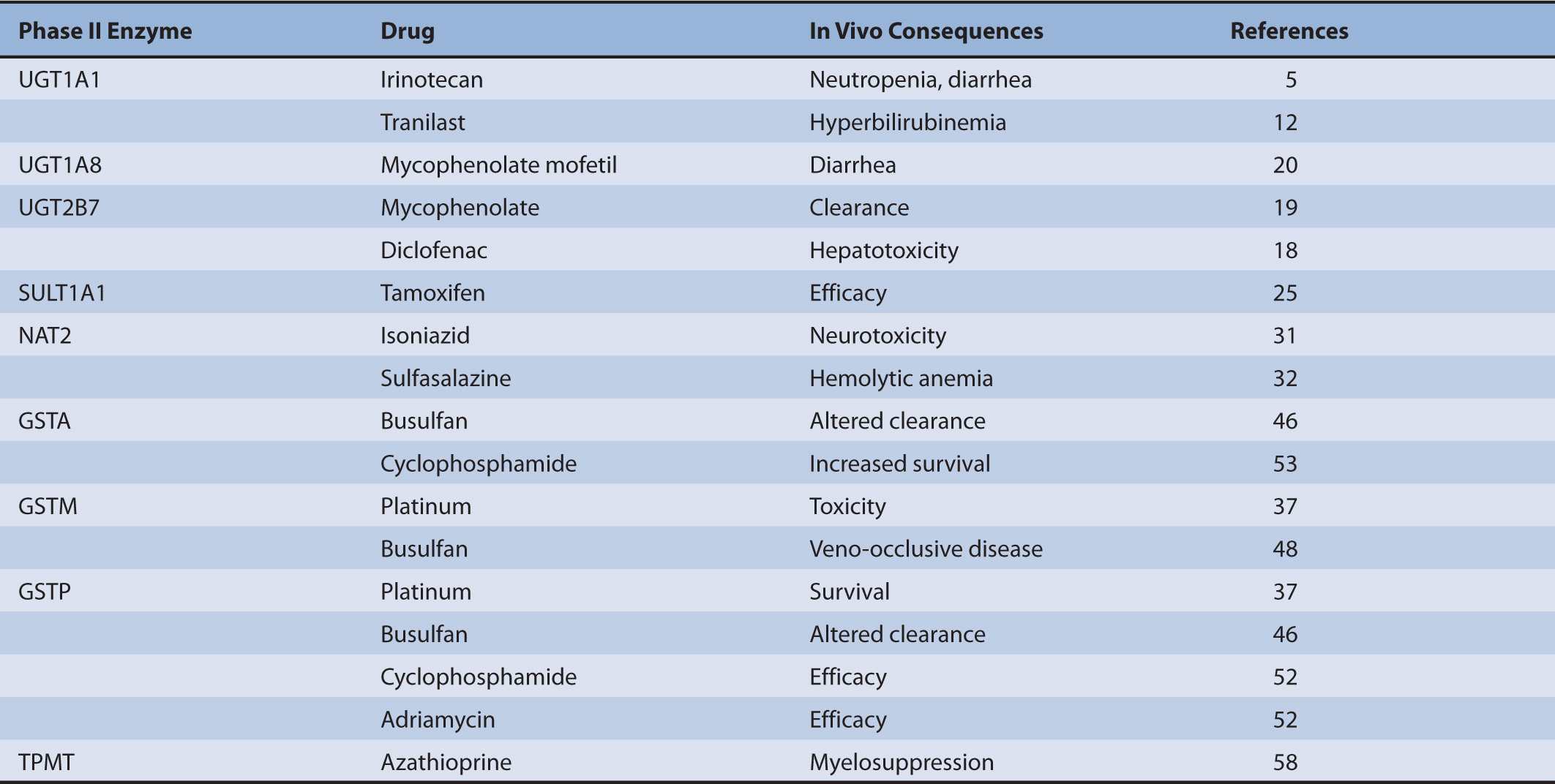
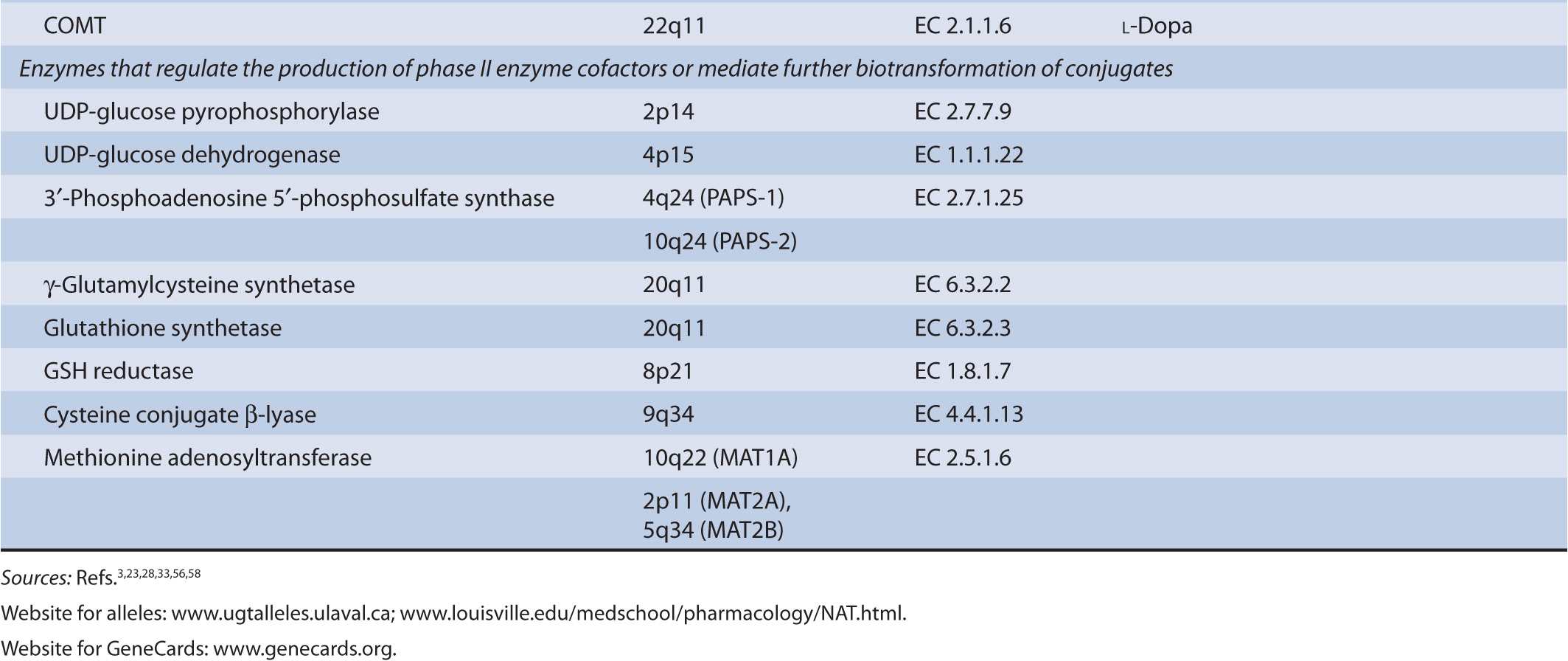
Our genes play a surprising role in medication metabolism. Some people are born with genes that make their liver enzymes work super fast. Others have genes that cause their enzymes to work much slower. Think of it like a genetic lottery that affects how quickly or slowly your body breaks down medication.
These genetic variations can affect how you respond to drugs. This is why some medications might work wonders for one person but have little to no effect on another. It's all in the genetic code!

Individuals with Liver or Kidney Conditions
If your liver or kidneys aren't functioning at their best, medication metabolism can be significantly affected. These organs are key players in processing and eliminating drugs. When they are impaired, the medications can build up in the body and cause problems.
Liver disease, for example, can slow down the liver's ability to break down medications. Kidney disease can prevent the body from effectively eliminating drug byproducts. It's important for anyone with these conditions to work closely with their doctor. Your doctor will adjust medication dosages as necessary.
Individuals of Specific Ethnicities
Believe it or not, your ethnicity can influence medication metabolism! Certain genetic variations are more common in specific populations. These variations can impact how quickly or slowly medications are processed.

For instance, some ethnic groups have a higher prevalence of certain enzyme deficiencies. This can affect how they respond to specific medications. It’s a fascinating area of research, and highlights the importance of personalized medicine.
The Drug Interaction Dance
Sometimes, the issue isn't just about you, it's about what else you're taking. Certain medications can interfere with the metabolism of other medications. It's like a crowded dance floor where everyone is stepping on each other's toes!
This is known as a drug interaction. It can either speed up or slow down the metabolism of a particular drug. Always inform your doctor about all the medications, supplements, and even herbal remedies you’re taking. It will help them avoid potential problems.
Why Should You Care?
Understanding that some populations may have difficulty metabolizing medications is important for a few reasons. It promotes safer and more effective medication use. It can help prevent adverse drug reactions.
Also, it encourages personalized medicine, where treatment plans are tailored to the individual's needs and genetic makeup. If you belong to any of these population, it's always best to discuss your medication concerns with your healthcare provider. Remember, knowledge is power. The more you know about how your body processes medication, the better you can partner with your doctor to ensure your safety and well-being.
So, next time you're chatting about medications, remember that everyone's body is unique. What works for your friend might not work for you, and that's perfectly normal. Understanding the factors that influence medication metabolism can lead to better health outcomes and a deeper appreciation for the amazing complexity of the human body. This is the most entertaining thing, isn't it?