What Parts Of The Ocean Have Not Been Explored
Isn't it wild to think that in this day and age, with all our technology, there are still places on Earth we haven't fully explored? We're talking about the ocean, of course! For many, the mystery of the deep is utterly captivating. From giant squid to undiscovered ecosystems, the unexplored parts of the ocean hold endless possibilities and inspire a sense of adventure. It's a topic that appeals to everyone, sparking curiosity in kids, offering endless research avenues for scientists, and providing inspiration for artists and writers.
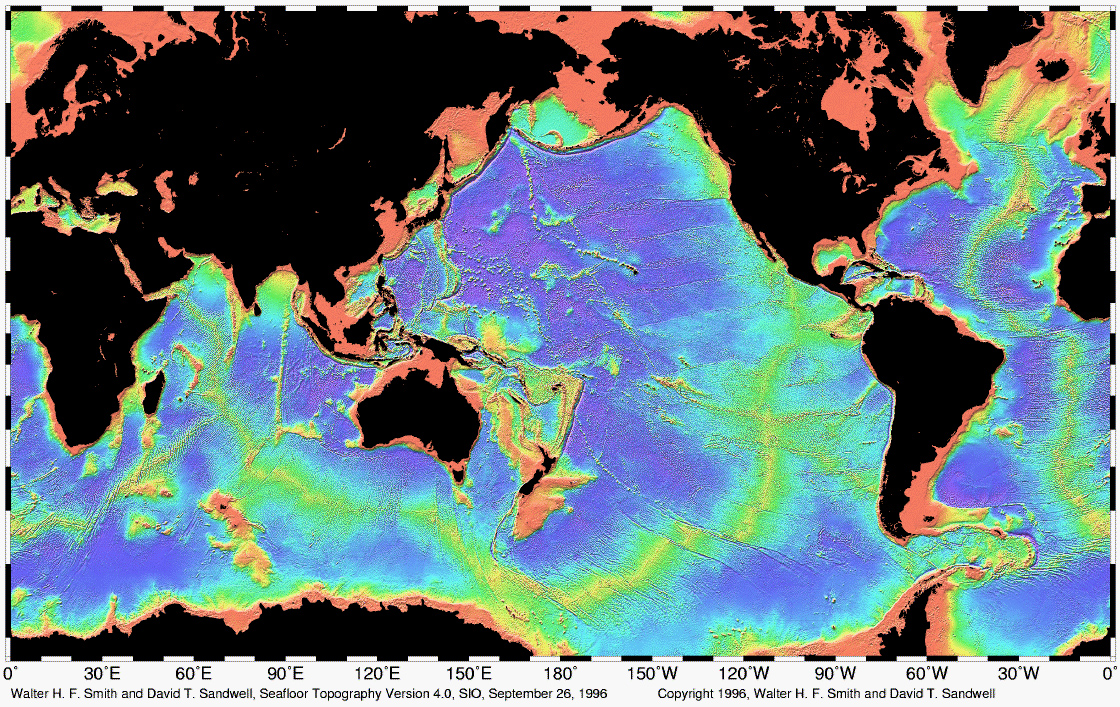
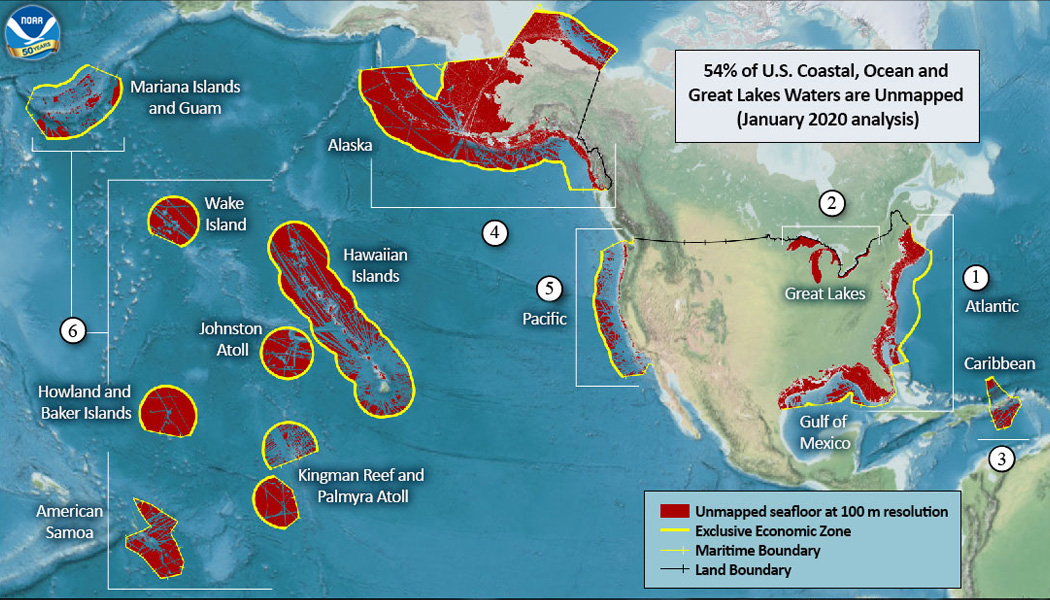
So, where exactly are these unexplored oceanic realms? Well, think of the ocean floor as a giant, underwater mountain range and valley system. We've mapped some of it using sonar, but only a small percentage in detail. Primarily, it's the deepest parts, like the Mariana Trench, and vast stretches of the deep-sea plains that remain largely unknown. We've been to the bottom of the Mariana Trench – the Challenger Deep – but even there, we've only spent a limited amount of time and explored a tiny area. Imagine what else could be lurking in those dark, crushing depths!
Why does this matter? For beginners, understanding how little we know about the ocean emphasizes the importance of conservation. If we don't know what's there, how can we protect it? For families, this topic can ignite a passion for science and exploration in children. Imagine reading books about underwater adventures or watching documentaries about marine life! For hobbyists, whether you're a scuba diver, a marine biologist enthusiast, or even just a fan of ocean-themed art, the unexplored ocean offers endless inspiration and opportunities for learning. Perhaps you’ll be inspired to document your local shoreline in ways that contribute to scientific understanding of your area, or advocate for more sustainable fishing practices.
Must Read
Think about it this way: we know more about the surface of Mars than we do about the bottom of the ocean! The lack of exploration isn't due to a lack of trying, but rather the immense challenges involved. The crushing pressure, the extreme temperatures, and the sheer distance make it incredibly difficult and expensive to send manned or unmanned submersibles to these depths. Imagine sending a tiny robot down there – it's like exploring a vast, unknown planet with limited resources.
Examples of the unexplored include hydrothermal vents, which are like underwater geysers that support unique ecosystems. We've discovered some, but there are likely countless others waiting to be found. Also, consider the mid-ocean ridges, underwater mountain chains where new oceanic crust is formed. These are incredibly dynamic environments that are constantly changing, and we've only scratched the surface of understanding them.

Want to get started learning more? Here are some simple tips: 1) Watch documentaries about ocean exploration. David Attenborough's "Blue Planet" series is a great starting point. 2) Read books about marine biology and oceanography. There are tons of options for all ages. 3) Visit your local aquarium or natural history museum. Many have exhibits dedicated to deep-sea creatures. 4) Follow reputable scientific organizations on social media that are dedicated to ocean research, such as Woods Hole Oceanographic Institution or NOAA.
Exploring the unexplored parts of the ocean is more than just a scientific endeavor; it's a journey into the unknown. It's about discovering new life, understanding our planet, and protecting the future of our oceans. The mystery of the deep is a constant reminder that there's still so much to learn and that the spirit of adventure is alive and well. So, dive in and start exploring – even if it's just from the comfort of your own home!