
What Part Of A Hurricane Causes The Most Damage
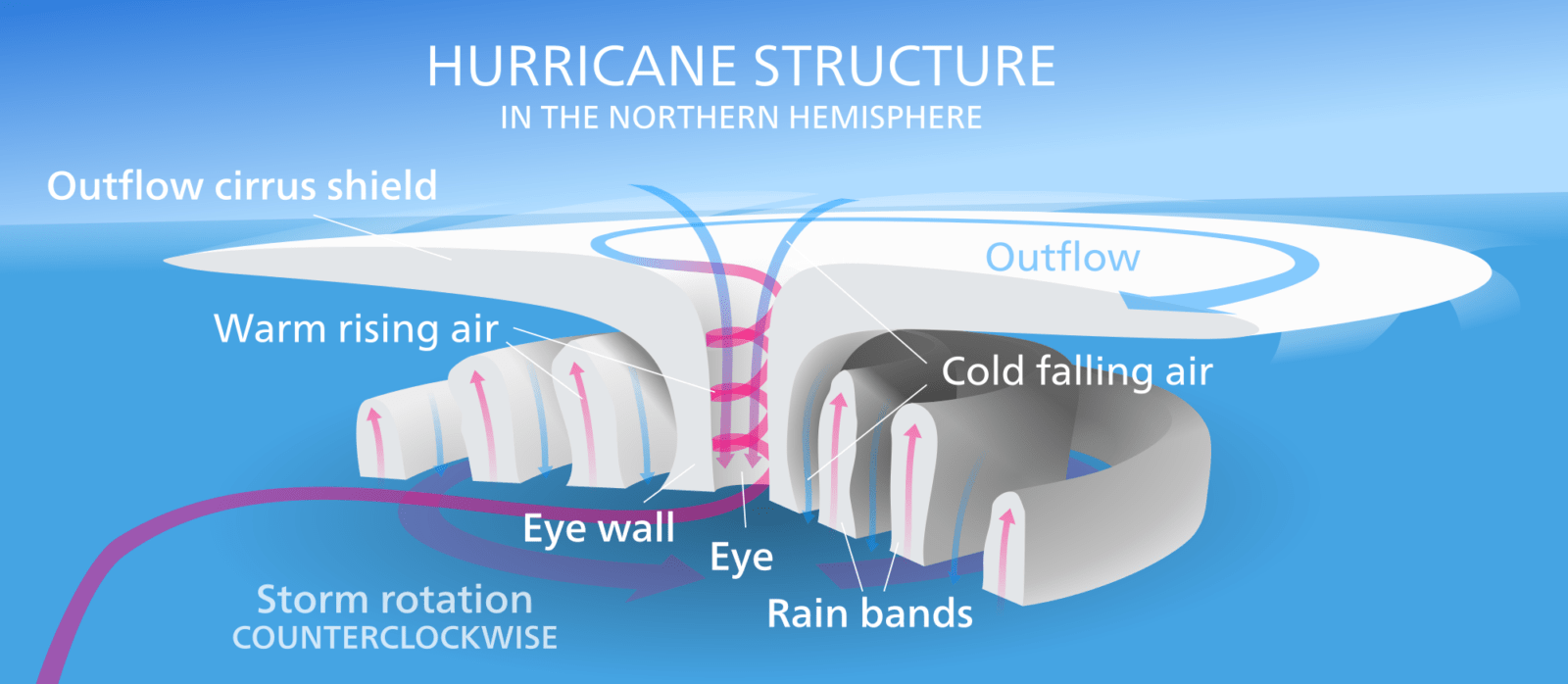
Hurricanes. Those swirling dervishes of wind and rain. We’ve all seen them on the news, ripping roofs off houses and turning cars into makeshift submarines. But have you ever stopped to wonder which part of these meteorological monsters packs the biggest punch?
It's not as straightforward as you might think! It's a tag team effort, a trifecta of terror.
The Unsung Hero (or Villain) of Destruction: Storm Surge
Forget the wind for a second. Seriously, just try to imagine not focusing on the howling gusts. The real MVP of hurricane havoc is the storm surge. Think of it as a giant, angry bathtub overflowing all over your coastal town.
Must Read
This isn't just regular high tide, folks. This is a wall of water, pushed inland by the hurricane's winds, and it can reach truly terrifying heights. We're talking several feet, even dozens of feet, of water surging ashore. Imagine a rogue wave, but it just… keeps coming.
It's like the hurricane is trying to give the ocean a massive, unwanted hug. And the ocean, understandably, is pushing back…right into your living room.
Why is Storm Surge so Devastating?
Water is deceptively powerful. You might think, "Oh, I can swim!" But try swimming against a raging current carrying debris, and you'll quickly change your tune.
Storm surge isn't just water; it's water carrying boats, cars, trees, and unfortunately, sometimes even houses. It's a demolition derby disguised as a flood.
The sheer force of the water can collapse buildings, erode foundations, and completely reshape coastlines. It's nature's way of saying, "I need more beach. Now."
And the salt! Oh, the salt. Saltwater intrusion can ruin freshwater sources, kill crops, and corrode everything it touches. Imagine trying to grow tomatoes in your garden after a hurricane – they'd probably just shrivel up and laugh at you.

Plus, it contaminates everything. After a big storm surge, cleaning up isn't just about mopping; it's about dealing with potentially hazardous materials carried in by the floodwaters. It’s a seriously messy business.
The Windy Wildcard: Hurricane-Force Winds
Okay, okay, we can't completely ignore the wind. It’s called a hurricane after all! The winds in a hurricane are nothing to sneeze at. They can tear shingles off roofs, snap power lines like twigs, and turn ordinary objects into deadly projectiles.
Imagine your neighbor's garden gnome suddenly becoming a guided missile aimed at your window. That's the power of hurricane-force winds.
The Saffir-Simpson Hurricane Wind Scale classifies hurricanes based on their sustained wind speeds. From a relatively mild Category 1 to a catastrophic Category 5, each category brings increasingly destructive winds.
Wind Damage: More Than Just a Bad Hair Day
While storm surge is like a slow, relentless bulldozer, the wind is like a hyperactive toddler with a baseball bat. It's unpredictable and destructive in equal measure.
One of the most common types of wind damage is roof damage. Those shingles are designed to protect your home, but they're no match for sustained winds of 100 mph or more.
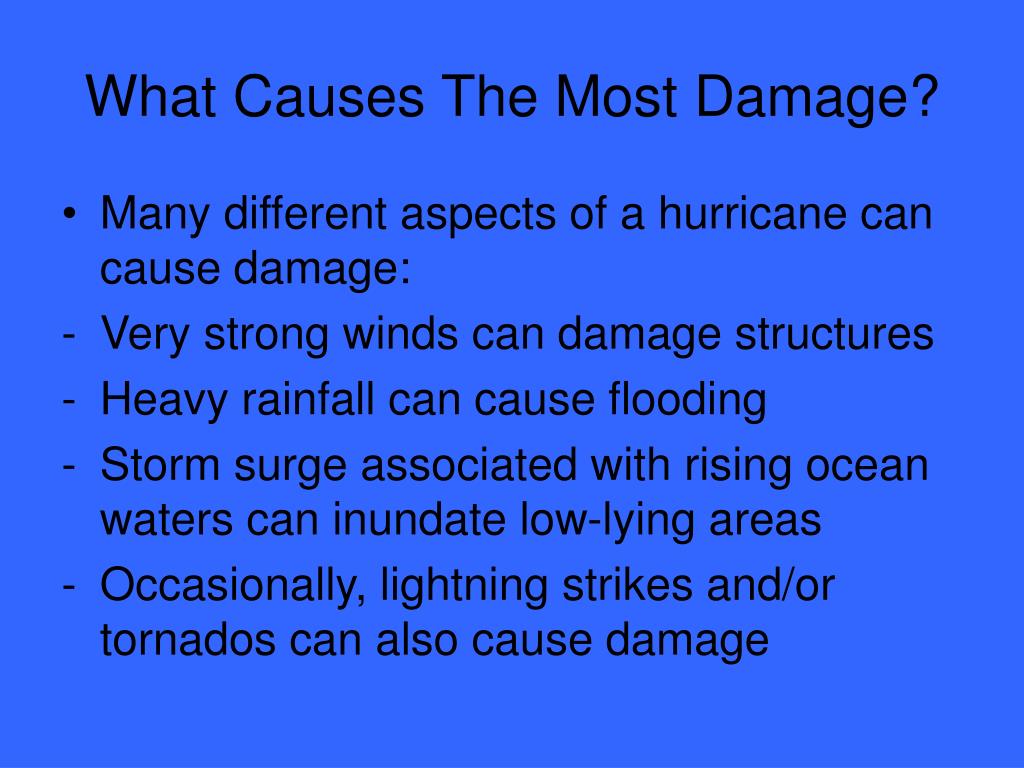
Once the roof is compromised, the wind can get inside your home and create even more havoc. It's like opening a can of worms, only the worms are angry gusts of air tearing through your walls.
Downed trees are another major problem. They can fall on houses, cars, and power lines, causing widespread damage and power outages. Ever tried making coffee without electricity? It's not fun.
And let's not forget about the flying debris. Signs, fences, even entire sheds can become airborne in a hurricane. Duck and cover is not just for school drills anymore.
The Soggy Saboteur: Inland Flooding
Even if you don't live near the coast, you're not entirely safe from hurricanes. These storms can bring torrential rainfall, leading to widespread inland flooding.
Imagine your street turning into a river, your basement filling with water, and your car floating away like a bathtub toy. That's the reality of inland flooding.
All that rain has to go somewhere, and often, it ends up overwhelming drainage systems and causing rivers to overflow their banks.
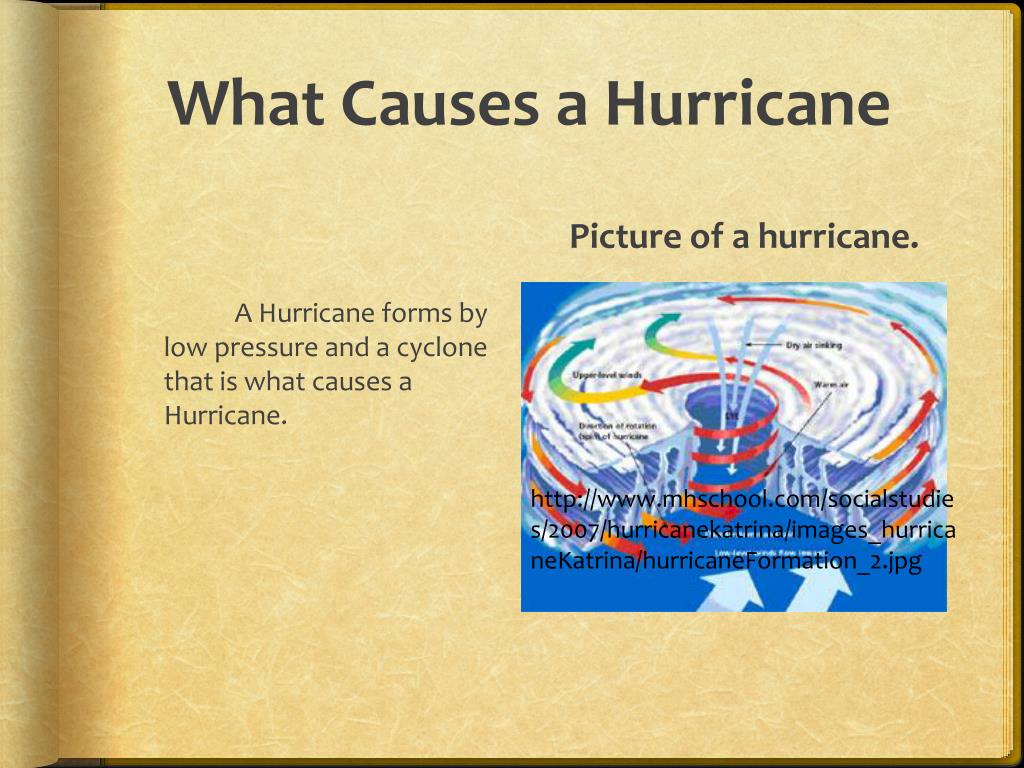
Inland Flooding: A Watery Wake-Up Call
Unlike storm surge, which is a sudden onslaught, inland flooding can be a slow, creeping disaster. It starts with a steady rain, which gradually intensifies until the water starts to rise.
Basements are particularly vulnerable to flooding. They're like giant bathtubs just waiting to be filled. And once they're full, they can cause significant damage to your home's foundation.
Roads can become impassable, isolating communities and making it difficult for emergency services to reach those in need. It's like being trapped on a desert island, only the island is your own neighborhood.
And the water damage can be extensive. Mold growth is a common problem after a flood, and it can be difficult and expensive to remediate. It's like having a tiny, invisible army of spores attacking your home.
The Real Culprit: It's Complicated!
So, which part of a hurricane causes the most damage? The answer is… it depends! Storm surge tends to be the most destructive force in coastal areas, while wind and inland flooding can cause significant damage further inland.
Ultimately, it's the combination of all these factors that makes hurricanes so devastating. They're a triple threat of wind, water, and sheer destructive power.
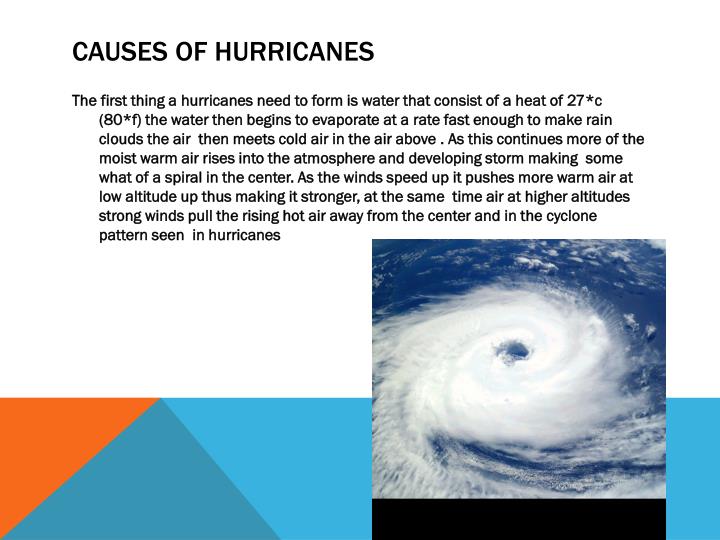
The intensity of the storm, the topography of the affected area, and the preparedness of the community all play a role in determining the extent of the damage.
Think of it like a recipe for disaster. You need the right ingredients (wind, rain, storm surge), the right conditions (a warm ocean, favorable atmospheric conditions), and the right location (a vulnerable coastline or low-lying area) to create a truly catastrophic hurricane.
The Takeaway: Respect the Storm
Hurricanes are powerful forces of nature that should be taken seriously. Understanding the different types of damage they can cause is crucial for preparing for and mitigating their impact.
So, the next time you hear about a hurricane approaching, don't just think about the wind. Remember the storm surge, the inland flooding, and the overall destructive potential of these storms.
Be prepared, stay informed, and heed the warnings of local authorities. And maybe, just maybe, you can weather the storm with a little less damage and a little more peace of mind.
After all, nobody wants their garden gnome to become a projectile. Especially not during a hurricane.
"The best way to predict the future is to create it." - Peter Drucker. This quote is especially relevant when it comes to hurricane preparedness.
So, stay safe out there, and remember to respect the power of nature. Because sometimes, Mother Nature just wants to redecorate... with a little help from a hurricane.