What Months Are In The Winter
There's something wonderfully satisfying about grasping a fundamental truth about our world, especially one that shapes our daily lives, our calendars, and even our wardrobe choices. Today, we're diving into a question that seems simple on the surface but holds a delightful global twist: What months are in the winter? It's a topic that sparks curiosity, helps us understand our planet's beautiful mechanics, and offers a surprising amount of creative value for anyone who loves to observe and appreciate the world around them.
For artists, hobbyists, or even the most casual of learners, understanding the seasons is like having a secret key to the Earth's rhythm. Knowing precisely when winter descends allows an artist to capture the crisp, stark beauty of a snow-covered landscape or the cozy warmth of an indoor scene. Photographers can anticipate that unique, low-angle winter light, while writers can weave tales infused with the specific atmosphere of cold nights and long shadows. Hobbyists, too, benefit immensely: gardeners plan for dormancy, skiers anticipate their prime months, and armchair travelers can perfectly time their escapades to experience a snowy wonderland or escape one entirely! It's about knowing the seasonal pulse of different corners of our planet.
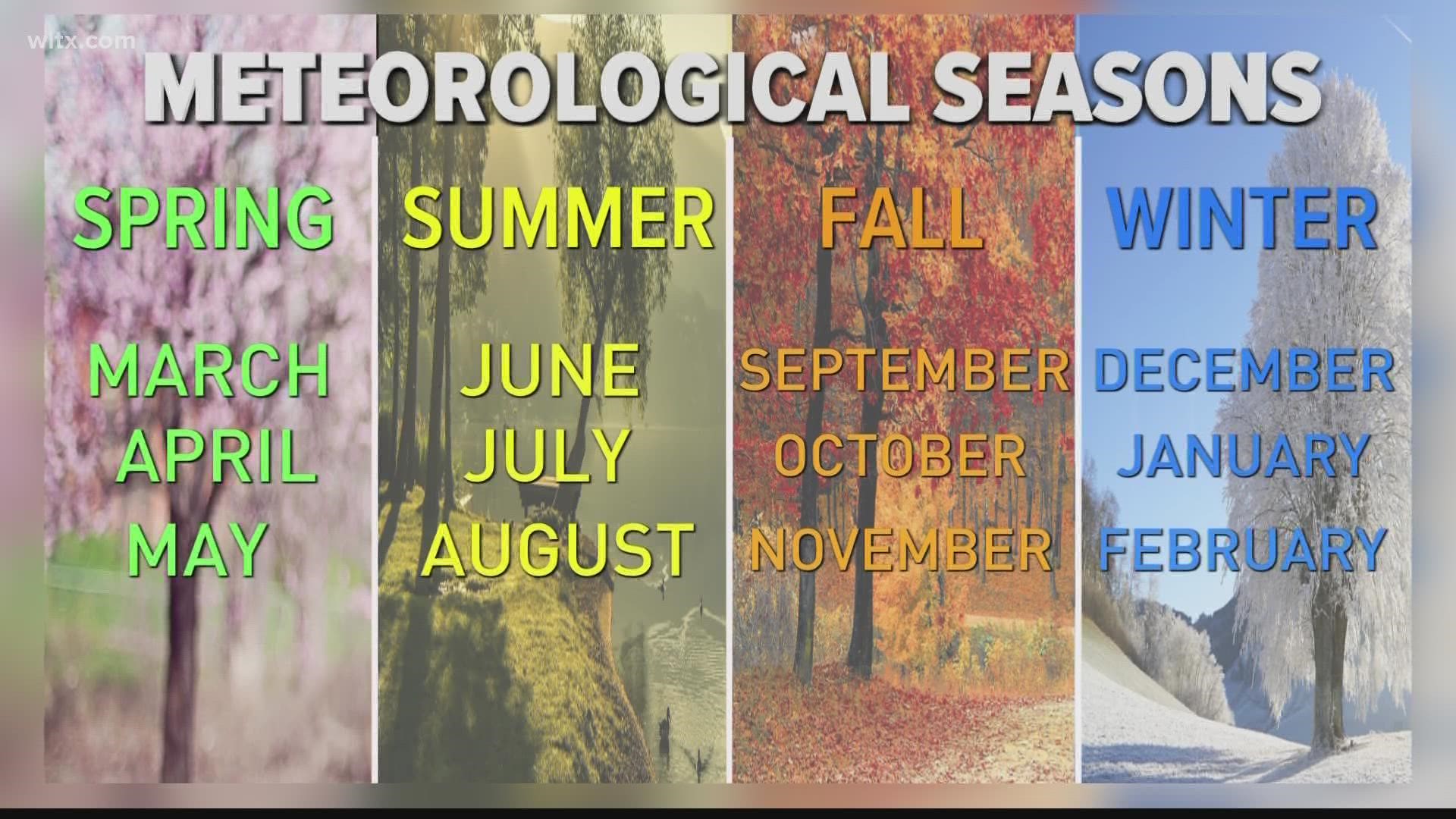
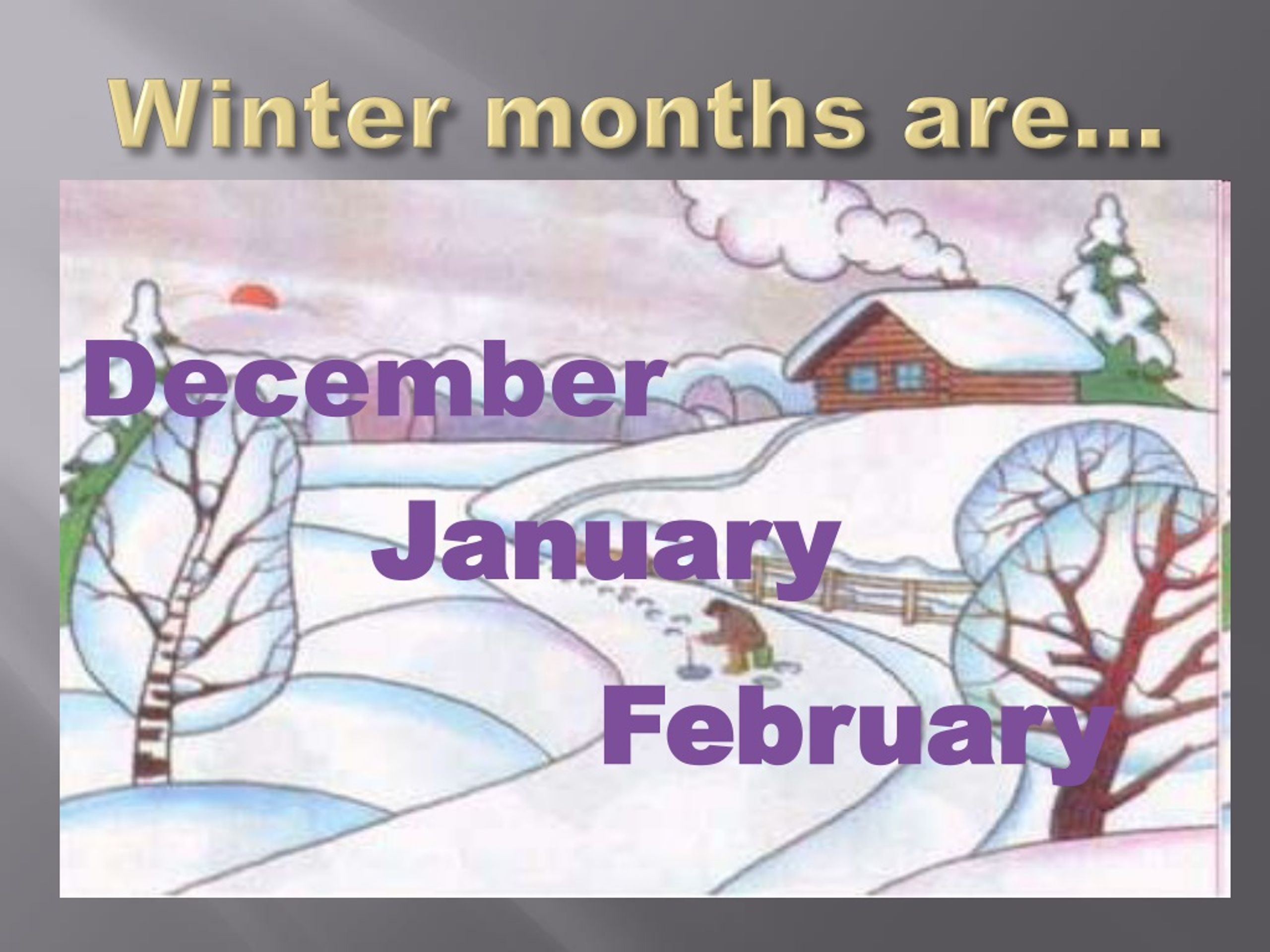
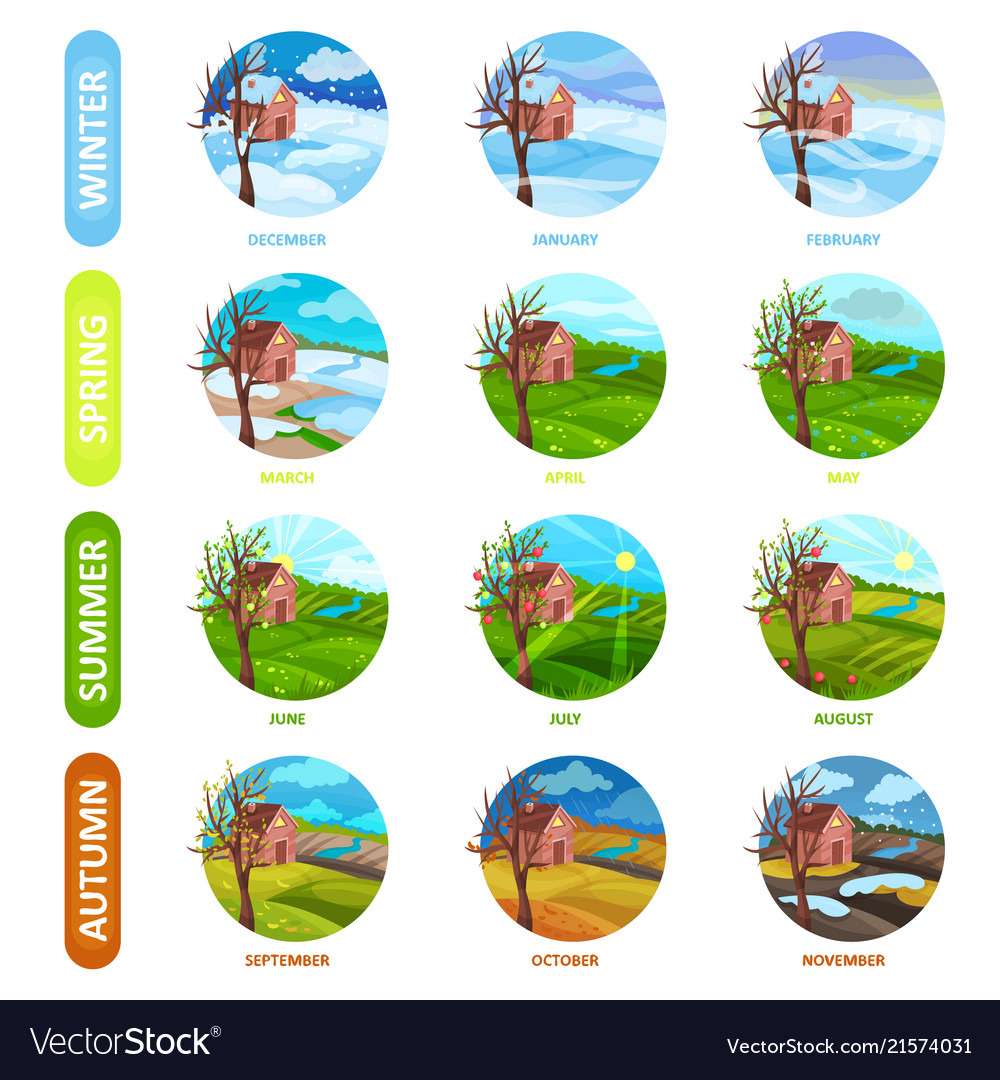
So, let's unlock the mystery! When most of us in the Northern Hemisphere think of winter, our minds immediately conjure images of December, January, and February. These are the classic meteorological winter months for regions like North America, Europe, and much of Asia. Think Christmas carols, New Year’s celebrations, and Valentine's Day chocolates – all nestled snugly within this period. However, here's where the global dance truly begins: if you journey to the Southern Hemisphere, to places like Australia, South Africa, or Argentina, their winter months are entirely different! For them, winter arrives in June, July, and August, bringing chilly days and perhaps even snow to places you might not expect. It's a fantastic example of how our planet's tilt orchestrates completely opposite seasons across the equator. And let's not forget equatorial regions, where the concept of "winter" might be less about cold and more about a distinct dry season.
Must Read
Want to explore this fascinating seasonal flip at home? It's incredibly easy and quite enlightening! First, simply observe your own local environment. What months feel undeniably "wintery" where you live? Next, grab a globe or open an online map. Pick a city in the Northern Hemisphere and one in the Southern Hemisphere. Imagine planning a trip to each. What kind of clothing would you pack for December in New York versus December in Sydney? This simple exercise really helps solidify the concept of opposing seasons. You could even try a creative challenge: draw or write about a "winter scene" from both hemispheres, capturing the unique feel of a frosty morning in Canada and a cool, perhaps rainy, day in Patagonia. Or, for a delicious twist, research traditional winter recipes from both regions – you might be surprised by the variety!
Ultimately, understanding which months are in winter isn't just about memorizing facts; it's about fostering a deeper connection to our amazing planet. It encourages us to think beyond our immediate surroundings, to appreciate the diverse experiences of people worldwide, and to marvel at the beautiful, predictable ballet of the Earth around the sun. It's a piece of knowledge that’s not only useful but also genuinely enjoyable, reminding us of the endless wonders our world holds.