What Month Has The Most Hurricanes In Florida
Ever wondered which month is the most nail-biting for Floridians? The answer, unsurprisingly, involves hurricanes! Understanding when these powerful storms are most likely to make landfall in the Sunshine State isn't just an interesting fact; it's crucial for preparedness and peace of mind. After all, knowing is half the battle, especially when Mother Nature is throwing a watery punch.
But why bother digging into hurricane statistics? Knowing the peak of hurricane season has real, tangible benefits. Its purpose is primarily to inform and empower individuals and communities to take proactive steps to safeguard their lives and property. This knowledge allows residents to better prepare their homes, stock up on emergency supplies, and plan evacuation routes, if necessary. Beyond personal safety, understanding hurricane patterns helps businesses mitigate potential losses, and allows emergency management agencies to allocate resources effectively. Think of it as an early warning system, helping everyone get ready for the potential impact.
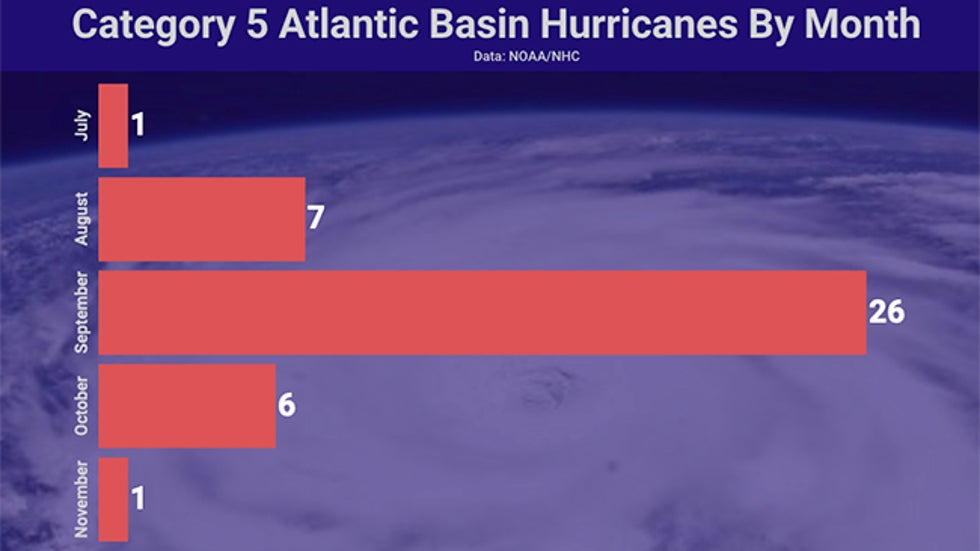
So, when does Florida typically see the most hurricane activity? The data consistently points to September. While the official hurricane season runs from June 1st to November 30th, September is statistically the month with the highest probability of a hurricane making landfall. The warm ocean waters, already heated throughout the summer months, provide ample fuel for these storms to develop and intensify. Furthermore, atmospheric conditions during September often favor hurricane formation and movement towards the Gulf Coast and the Atlantic seaboard.
Must Read
How can this knowledge be useful? Let’s consider a few scenarios. In education, teachers can use hurricane statistics to illustrate concepts in science, geography, and even mathematics (calculating probabilities, analyzing data). It’s a real-world example that can bring these subjects to life. In daily life, understanding the peak season allows homeowners to schedule necessary maintenance, like trimming trees or reinforcing roofs, well in advance of September. It also prompts families to review their emergency plans and ensure their supply kits are adequately stocked. Even planning a vacation can be influenced by this knowledge; travelers might opt to visit Florida during the shoulder seasons (spring or late fall) to avoid the peak of hurricane season.
Don't just take our word for it; there are plenty of ways to explore this information yourself. The National Hurricane Center (NHC) website is a treasure trove of data, providing detailed hurricane histories, real-time tracking information, and educational resources. You can also find articles and reports from reputable news organizations and academic institutions. Try searching for "Florida hurricane statistics by month" or "historical hurricane tracks Florida."
Finally, a simple, practical tip: create a hurricane preparedness checklist and review it with your family at the beginning of August. This ensures that everyone is on the same page and that all necessary precautions are taken before the peak of hurricane season arrives. Knowing that September is the most active month allows you to focus your efforts and ensure you are as prepared as possible. Stay informed, stay safe, and remember, a little preparation goes a long way!