What Metals Can Be Cut With The Oxyfuel Gas Process
Ever watched a superhero slice through a metal door with a laser beam and thought, "Wow, that's cool!"? Well, while we might not all have laser beams, the oxyfuel gas cutting process offers a surprisingly similar (and much more accessible!) method for shaping and working with metal. It's like a controlled, fiery dance, and understanding what metals it can tame opens up a world of possibilities, whether you're a seasoned DIY enthusiast or just curious about how things are made.
Why is this knowledge useful? For beginners, knowing which metals are oxyfuel-friendly means avoiding frustrating (and potentially dangerous) situations. For families, understanding the process, even at a basic level, can spark curiosity and lead to fascinating discussions about engineering and manufacturing. And for hobbyists, like those restoring vintage cars or crafting metal art, the oxyfuel process is an invaluable tool for bringing creative visions to life.
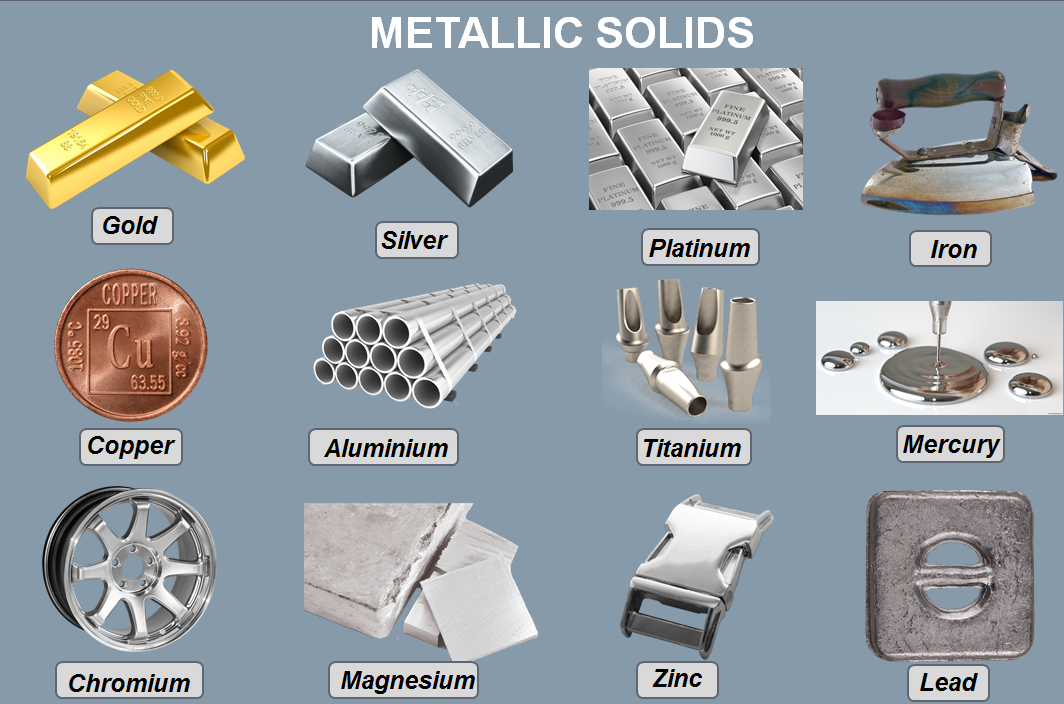
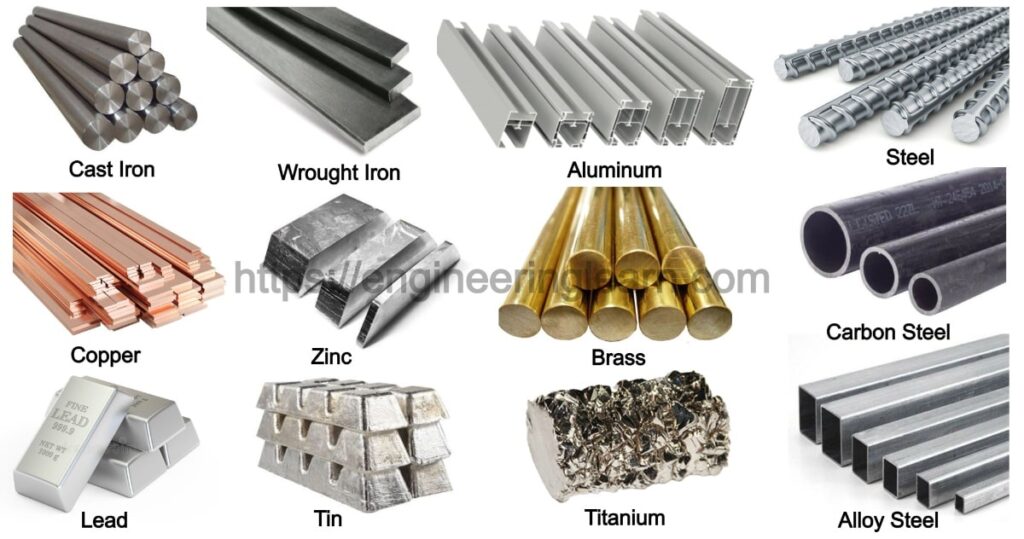
So, what metals are we talking about? The star of the oxyfuel show is definitely mild steel (also known as carbon steel). This common and relatively inexpensive metal is readily cut with oxyfuel, making it ideal for a wide range of projects, from building sturdy shelves to repairing farm equipment. The process relies on heating the steel to its ignition temperature and then blasting it with a jet of pure oxygen. This causes rapid oxidation – essentially, the steel burns away in a controlled manner, creating a clean cut. Think of it like rapidly rusting the metal away along a precise line.
Must Read
However, not all metals are created equal in the eyes of the oxyfuel flame. Metals like stainless steel and aluminum are tricky, if not impossible, to cut effectively with the standard oxyfuel setup. Stainless steel's chromium content forms a protective oxide layer that prevents the rapid oxidation needed for cutting. Aluminum, on the other hand, has a low melting point and high thermal conductivity, meaning it dissipates heat too quickly to sustain the cutting process. Special techniques and variations like powder cutting (where iron powder is injected into the flame) can sometimes be used on stainless steel, but these are more advanced and require specialized equipment.
Other metals that generally work well with oxyfuel include low-alloy steels, provided they don't contain excessive amounts of alloying elements. Cast iron can also be cut, though it often requires a slower cutting speed and preheating to achieve a good result. Remember, always consult a metalworking guide or experienced professional before attempting to cut any metal you're unsure about.
Simple Tips for Getting Started: If you're keen to explore oxyfuel cutting, start with small pieces of mild steel. Practice your technique on scrap metal before tackling a real project. Invest in proper safety equipment, including welding goggles with the correct shade, gloves, and a fire-resistant apron. Familiarize yourself with the equipment and always follow the manufacturer's instructions. Most importantly, take a class! A skilled instructor can teach you the fundamentals and ensure you're using the equipment safely and effectively.
Learning about the oxyfuel process and the metals it can cut isn't just about acquiring a new skill; it's about unlocking a world of creative and practical possibilities. Whether you're building a custom grill, repairing a rusty gate, or simply enjoying the satisfaction of shaping metal with fire, the oxyfuel cutting process offers a unique and rewarding experience. So, ignite your curiosity and start exploring!