
What Metals Are Brass Made Of

Have you ever stopped to admire a gleaming doorknob, a beautiful old lamp, or the majestic curves of a trumpet? Chances are, you've been looking at brass. It's that warm, golden metal that seems to carry a touch of history and a whole lot of charm. But what exactly is this friendly metal made of?
It's not a single element dug straight from the earth like gold or silver. Instead, brass is a fantastic team-up, a dynamic duo of two other metals working together in perfect harmony. Think of it like a secret recipe that's been perfected over centuries.
The Star Players: Copper and Zinc
Imagine a powerful friendship, an ancient partnership that brings out the best in both parties. That's pretty much the story behind brass. It’s primarily made from two key ingredients: copper and zinc.
Must Read
These two metals, when combined in just the right way, create something truly special. They transform into a whole new material with unique strengths and beauties that neither possesses on its own. It’s a bit like baking a cake – you need flour and sugar, but together they become something entirely different.
Meet Copper: The Warm, Steady Heart
First up is copper, the elder statesman of the pair. You know copper by its distinctive reddish-brown glow, often seen in old pennies, electrical wires, and even some fancy cookware. It's been a human favorite for thousands of years, almost since the dawn of civilization.
Copper is known for being incredibly malleable and ductile. This means it's super easy to shape and stretch into thin wires without breaking. It’s also an excellent conductor of electricity and heat, making it invaluable in countless applications.
In our analogy, copper is the steady, reliable, and slightly traditional parent. It brings warmth, flexibility, and a deep history to the family. It's the metal that says, "I've been around the block, and I know how to get things done."

Its color is distinct, a rich, earthy red that evokes comfort and permanence. This fundamental quality is what gives brass much of its characteristic warm tone. Without copper, brass simply wouldn't have that inviting glow.
Copper is also quite resistant to corrosion, though it does develop that lovely green patina over time, especially when exposed to the elements. Think of old statues or historical rooftops; that's copper showing its age gracefully.
"Copper is the old soul of the metal world, bringing its timeless wisdom and gentle strength to the mix."
Meet Zinc: The Spirited, Essential Partner
Then there's zinc, the lesser-known but equally vital partner. In its pure form, zinc is a silvery-blue metal. You might encounter it in batteries, sunscreens, or even as a protective coating on other metals to prevent rust (that's galvanized steel!).
Zinc is a bit more spirited and reactive than copper. It's not as ancient in common usage as copper, having been widely recognized later in history. But don't let its relative youth fool you; it brings incredible qualities to the partnership.
Think of zinc as the energetic, perhaps slightly quirky, but absolutely indispensable parent. It’s the one that adds a sparkle and a transformative power. Without zinc, copper would just remain copper; there would be no brass.
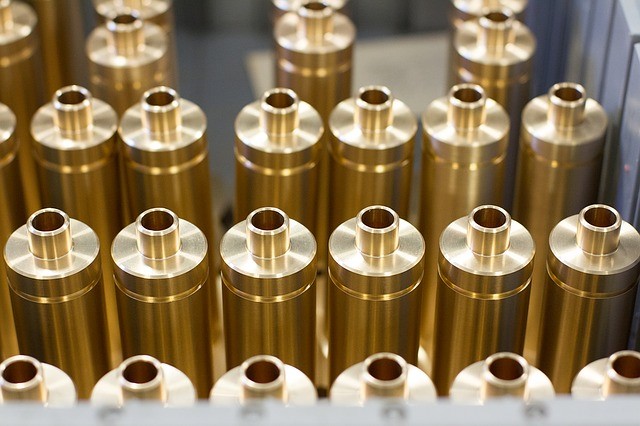
When a dash of zinc is added to copper, something amazing happens. It lowers the melting point of the mixture, making brass easier to cast and shape. This was a game-changer for ancient artisans!
Zinc also adds hardness and strength to the resulting alloy. It makes the new metal more robust and durable than pure copper alone. It helps brass resist tarnishing and gives it that brighter, more golden hue we often associate with it.
"Zinc is the unsung hero, the spark that ignites copper into something new and brilliant, adding resilience and a touch of shine."
The Magic of the Blend: Brass is Born!
So, when copper and zinc come together, usually with a much larger proportion of copper, they form brass. It’s an alloy, which is just a fancy word for a mixture of metals. And what a mixture it is!
The exact proportions can vary, like different recipes for different dishes. A higher percentage of zinc makes the brass lighter in color and stronger, sometimes almost silver-gold. Less zinc means a deeper, redder brass, closer to copper itself.
This allows for an incredible range of brass types, each suited for a particular job. From instruments that need to resonate just right, to plumbing fittings that must withstand pressure, brass adapts. It’s a true chameleon of the metal world.

A Metal with Many Faces
Imagine a family where the children inherit the best traits from both parents. Brass gets copper’s beautiful color and workability, and zinc’s strength and increased resistance to tarnish. It's like getting the best of both worlds!
This unique combination gives brass its amazing versatility. It's tough enough for industrial applications but beautiful enough for decorative pieces. It's resistant to corrosion, making it perfect for outdoor use or in wet environments.
Perhaps one of the most heartwarming aspects of brass is its role in music. The rich, resonant tones of a trumpet, trombone, or French horn are all thanks to this wonderful alloy. The very metal vibrates in a way that creates those iconic sounds, literally giving voice to musical expression.
Think of all the joyful melodies, the triumphant fanfares, and the soulful laments that have flowed through brass instruments over centuries. It's more than just metal; it's a conduit for human emotion and artistry. A truly heartwarming legacy.
Brass in Our Lives: More Than Just Pretty!
Beyond music, brass is everywhere, often quietly doing its job. Those sturdy doorknobs and hinges in old houses? Likely brass, standing strong against the test of time. The elegant fixtures in your bathroom? Often brass, chosen for its beauty and resistance to rust.
Here's a fun, slightly surprising fact: brass has natural antimicrobial properties. This means it can actually kill certain types of bacteria on its surface. So, that brass doorknob isn't just pretty; it's also a tiny, subtle health guardian!
This makes it a popular choice for high-touch surfaces in public spaces, hospitals, and homes. It's like a secret superpower hiding in plain sight, making our world a little bit cleaner. Who knew a metal could be so thoughtful?
From ancient times, when it was used for armor and tools, to modern days as a cherished part of our homes and industries, brass has always been there. It reflects light, plays music, keeps us safe, and simply looks good doing it all. It's a testament to the enduring power of teamwork.
So the next time you spot a piece of brass, take a moment. Remember the quiet partnership of copper and zinc, two metals that decided to become something greater together. It’s a simple story, but one full of beauty, strength, and a surprising amount of heartwarming charm.
It’s a humble hero of the metal world, enriching our lives in countless ways, all thanks to its incredible, yet simple, composition. A true testament to the magic that happens when two distinct personalities combine to create something truly golden.