
What Materials Make Good Conductors Of Heat

Ever wondered why some pots get scorching hot while others stay cool to the touch? It's all thanks to the fascinating world of heat conduction! Think of it like a game of hot potato, but with tiny particles passing the heat along.
Metals: The Heat-Conducting Rockstars
When it comes to conducting heat, metals are the absolute rockstars. They're like the Usain Bolts of the heat transfer world, zooming heat energy from one end to the other at lightning speed.
Copper: The Reliable Heat Mover
First up, we have copper, a true champion of heat conduction! It's why you find it in the bottom of many good quality pots and pans. Copper quickly and evenly spreads the heat across the surface, which prevents hot spots and allows for efficient cooking.
Must Read
Even if you don't have fancy copper-bottomed cookware, chances are there's copper wiring snaking through your walls. It efficiently carries electricity, which is just another form of energy that produces heat as a byproduct.
Aluminum: Lightweight and Mighty
Next, we have aluminum. This lightweight metal is another excellent heat conductor. That's why it's so popular for cookware, especially in thinner pots and pans where weight matters.
Have you ever noticed aluminum foil reflecting the heat from a campfire? Aluminum isn't just good at conducting heat, it's also great at reflecting it, making it versatile in many applications.
Iron and Steel: The Durable Workhorses
Iron and steel are also good conductors of heat, although not quite as speedy as copper or aluminum. But what they lack in speed, they make up for in durability and strength.
Cast iron skillets, for example, are known for their incredible heat retention. This means once they get hot, they stay hot, making them perfect for searing steaks or baking cornbread.
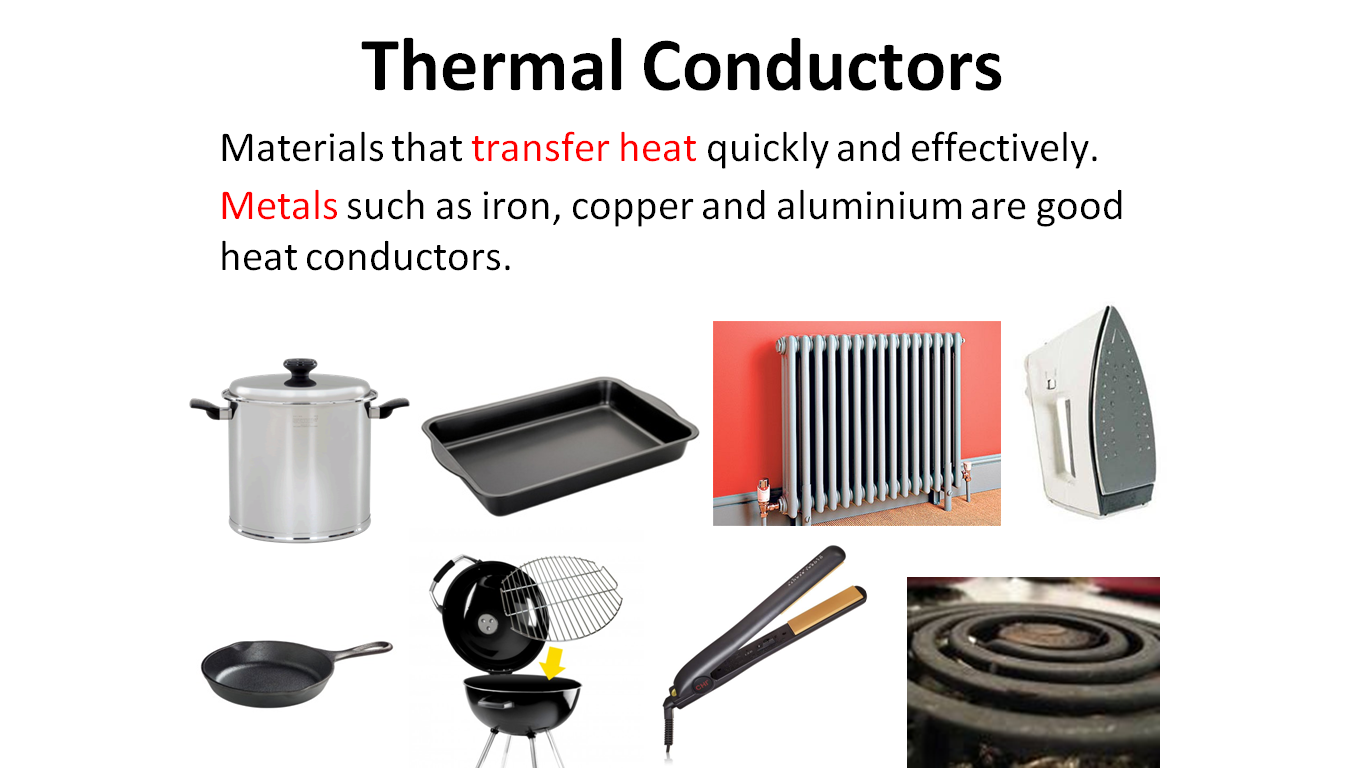
Stainless steel is a popular choice for cookware because it resists rust and corrosion. Often, you'll find stainless steel cookware that has a core or base of copper or aluminum to improve its heat conduction.
Why Metals Excel at Heat Conduction
So, what makes metals such incredible heat conductors? The secret lies in their unique atomic structure. Metals have what's called "free electrons," which are like tiny, energetic particles zipping around within the metal.
When one end of a metal object is heated, these free electrons gain energy and start moving faster. They then bump into other electrons and atoms, transferring their energy along the way.
It's like a chain reaction of energy transfer, allowing heat to travel quickly and efficiently through the metal. This is why metals feel cool to the touch – they quickly draw heat away from your hand!
Non-Metals: The Heat Insulators
Now, let's talk about materials that aren't so good at conducting heat. These are known as insulators, and they're like the opposite of metals in the heat transfer game.
Wood: A Natural Insulator
Wood is a classic example of an insulator. Think about wooden spoons. They don't get hot as quickly as metal spoons because wood doesn't conduct heat very well.
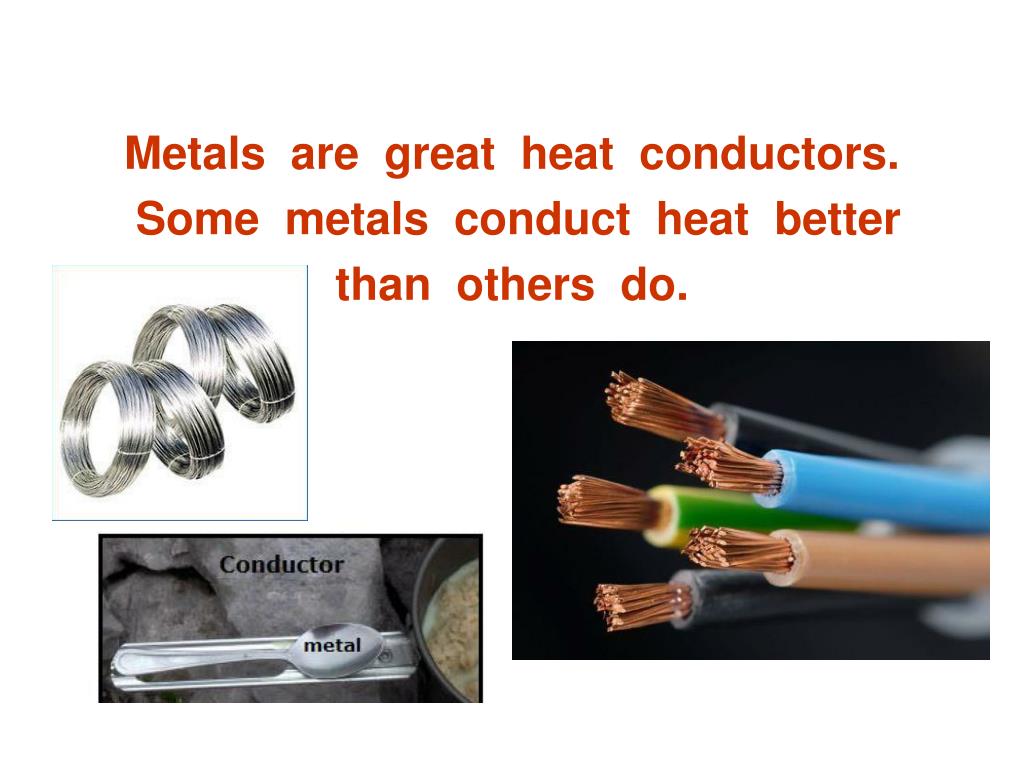
This is because wood doesn't have those free electrons that metals do. Instead, its molecules are tightly bound together, making it difficult for heat to travel through it.
Plastic: A Synthetic Insulator
Plastic is another common insulator. Many pot handles are made of plastic. Plastic helps protect your hands from the heat of the pot.
Like wood, plastic has a molecular structure that doesn't allow heat to flow through it easily. This makes it a valuable material for insulation purposes.
Air: The Invisible Insulator
Even air can be a good insulator! That's why double-paned windows are so effective at keeping your house warm in the winter and cool in the summer.
The air trapped between the two panes of glass acts as a barrier, preventing heat from easily flowing in or out. This can significantly reduce your energy bills.
The Science of Staying Cool (or Warm!)
Understanding which materials are good conductors and insulators allows us to design and build things that make our lives more comfortable and efficient. From cookware to clothing, the principles of heat transfer are at play.
For example, wearing layers of clothing in cold weather traps air between the layers, creating an insulating barrier. This helps to keep your body warm by preventing heat from escaping.
Similarly, using a cooler filled with ice keeps your drinks cold because the insulated walls of the cooler prevent heat from entering. The ice absorbs any heat that does manage to get in, keeping your beverages nice and chilly.
Conductivity in Everyday Life
Think about cooking. Knowing that metal pans conduct heat well helps you understand why food cooks faster in them. It also helps you avoid burns by choosing utensils with wooden or plastic handles.
Building insulation is another great example. Insulation materials, like fiberglass or foam, are designed to minimize heat transfer. This helps to keep buildings warmer in the winter and cooler in the summer.
Even the design of your computer involves heat conduction. Heat sinks, often made of aluminum or copper, are attached to computer chips to draw heat away and prevent them from overheating.
Experimenting with Heat Conduction
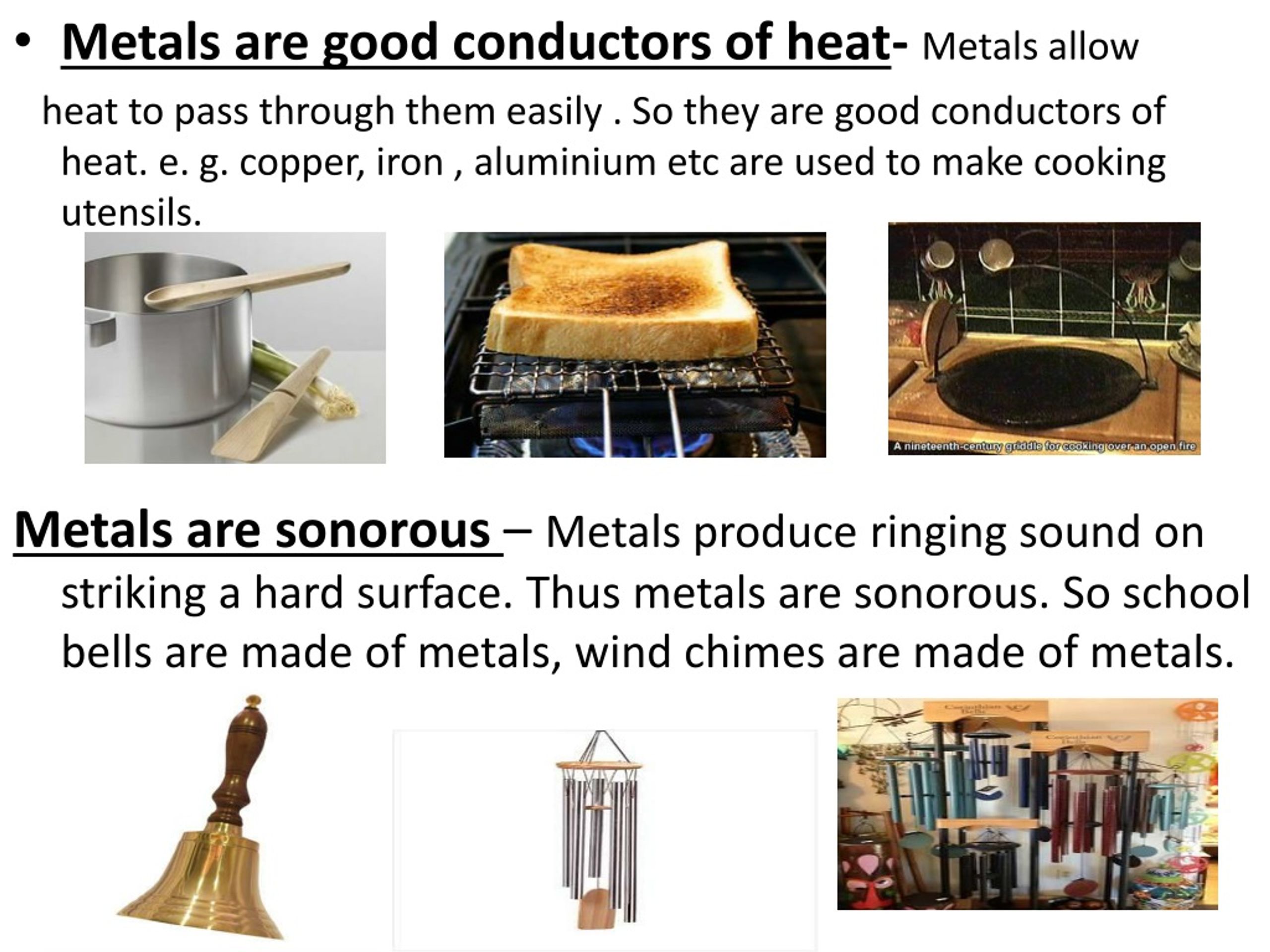
Want to explore the world of heat conduction firsthand? Try a simple experiment at home. Place a metal spoon and a wooden spoon in a cup of hot water. After a few minutes, touch the handles of both spoons.
You'll notice that the metal spoon feels much hotter than the wooden spoon. This is because the metal spoon conducts heat much better than the wooden spoon.
You can also try comparing different types of metal. Place a copper coin and a steel coin in the same hot water. Which one heats up faster? This will give you a sense of the relative heat conductivity of these two metals.
So next time...
So, the next time you're cooking dinner, sipping a hot beverage, or just feeling the temperature change outside, remember the amazing science of heat conduction! It's a fundamental principle that shapes our world in countless ways.
From the pots and pans we use to cook our food to the clothes we wear to stay warm, the properties of different materials play a crucial role in our daily lives. So go ahead, explore the world of heat conduction and discover the amazing science all around you!
Who knows, you might just become the next great heat transfer engineer!