What Makes A Tornado A Tornado
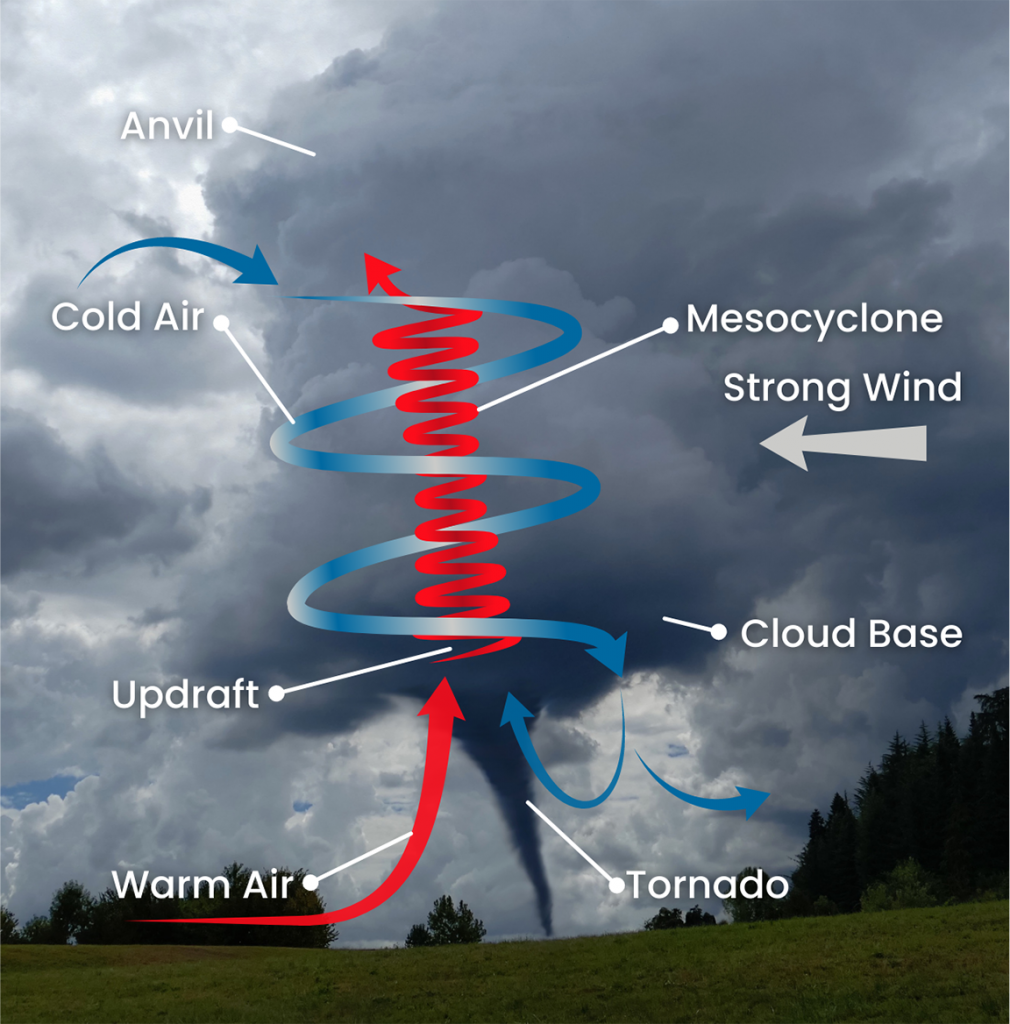
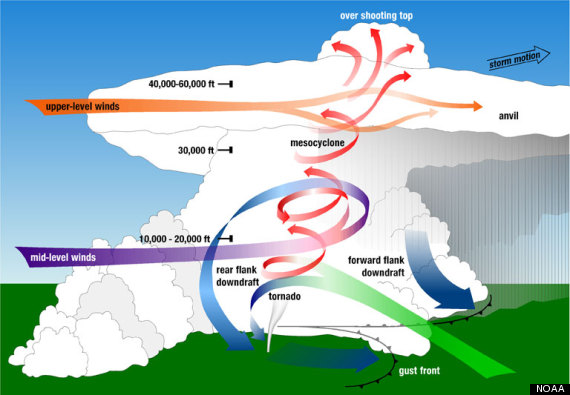
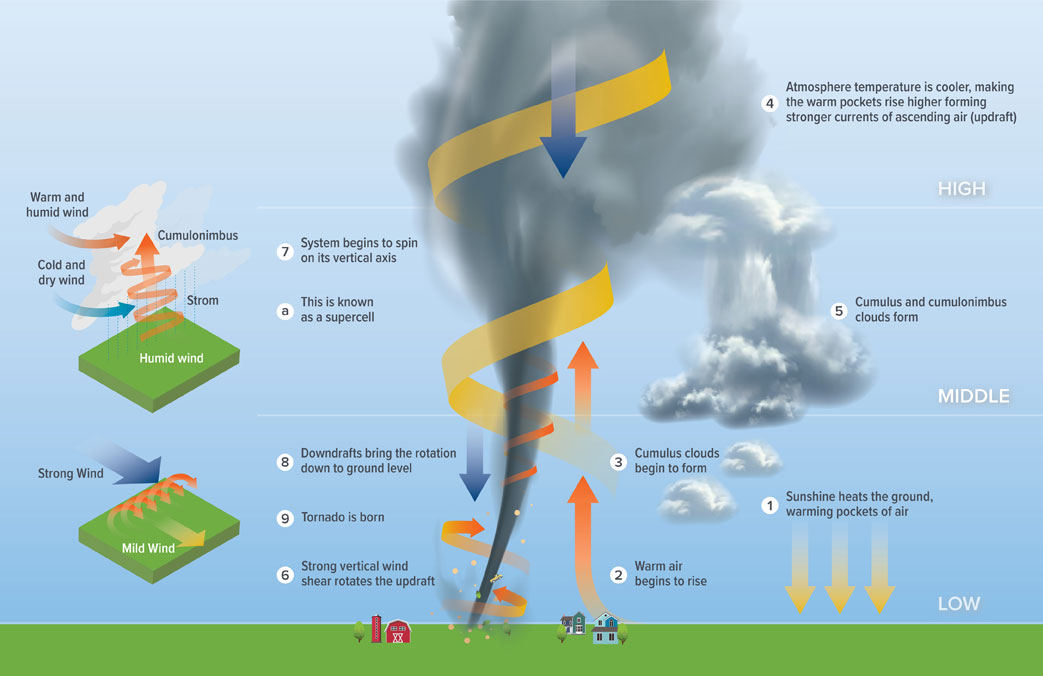
There's something undeniably captivating about nature's raw power, and few phenomena illustrate that better than a tornado. From the dramatic swirl captured in countless films to the awe-inspiring scientific diagrams, we're drawn to these magnificent, terrifying columns of air. It's not about wanting to be in one, certainly not! Instead, our fascination often stems from a primal curiosity about the limits of our world, a desire to understand the forces at play, and perhaps, a healthy respect for what Mother Nature can unleash.
So, what exactly makes a tornado a tornado, and why should we bother understanding them from a comfortable, safe distance? Beyond the sheer spectacle, the study of tornadoes serves a surprisingly vital purpose in our everyday lives. The drive to understand these destructive beauties has fueled significant advancements in meteorology, leading to much more accurate weather forecasting models. Every time you check your local forecast or receive a severe weather alert, you're benefiting from decades of intense research into atmospheric dynamics, much of it spurred by the need to predict and warn against tornadoes. This knowledge helps save lives, protects property, and allows communities to prepare, showcasing the profound impact that understanding even the most extreme weather can have on our safety and infrastructure.
Tornadoes aren't just one thing; they come in various forms, each with its own characteristics. The most iconic is the supercell tornado, which forms from massive rotating thunderstorms known as supercells – these are the big, powerful ones often seen in "Tornado Alley" across the central US. But you might also encounter a landspout, which forms from a different mechanism, often resembling a large dust devil and usually less intense. Then there are waterspouts that form over bodies of water, which can sometimes move onto land. We classify their intensity using the Enhanced Fujita (EF) Scale, ranging from EF0 (light damage) to EF5 (incredible damage), based on the destruction they leave behind. This standardized scale helps scientists and emergency services assess impact and communicate risk effectively, serving as a common language for understanding these powerful events.
Must Read
If you're looking to appreciate tornadoes more effectively (from a very safe distance, of course!), consider diving deeper into the science. First and foremost, always prioritize safety. Heed warnings, have a plan, and never try to get close to an active storm. Instead, cultivate your understanding by following reputable meteorologists on social media, watching documentaries, and exploring resources from organizations like the National Weather Service. You'll learn about critical ingredients like wind shear, atmospheric instability, and moisture – the complex recipe that creates these rotating marvels. For those with a serious, safety-first dedication, certified storm chasing tours offer a structured way to observe storm development under expert guidance, focusing on data collection and learning rather than reckless thrills. By understanding the intricate dance of forces that culminates in a tornado, you gain a deeper appreciation for the delicate balance of our planet's atmosphere, transforming fear into fascinating knowledge.