
What Makes A Storm A Hurricane
Ever watched a powerful storm roll in? There’s a certain thrill to it, isn't there? Well, imagine a storm that takes that thrill and multiplies it by a hundred. That’s when you’re thinking about a
Hurricanes aren't just any old stormy weather. They are the true superstars of the weather world. Think of them as nature's grandest, most dramatic performance.
These massive weather systems are truly awe-inspiring. They command attention with their sheer size and incredible power. It's like watching a giant, swirling dance across the ocean.
Must Read
What's in a Name, Anyway?
You might have heard different names for these colossal storms. Sometimes they're called typhoons or cyclones. It all depends on where they decide to show up on our planet.
But no matter the name, they are all essentially the same beast. They are powerful rotating storms that form over warm ocean waters. Each name points to the same amazing natural phenomenon.
They are all about incredible winds and torrential rains. This makes them some of the most fascinating weather events to study and observe (from a very safe distance, of course!).
The Secret Sauce: What Makes a Hurricane Whirl?
So, what exactly turns a regular storm into a breathtaking
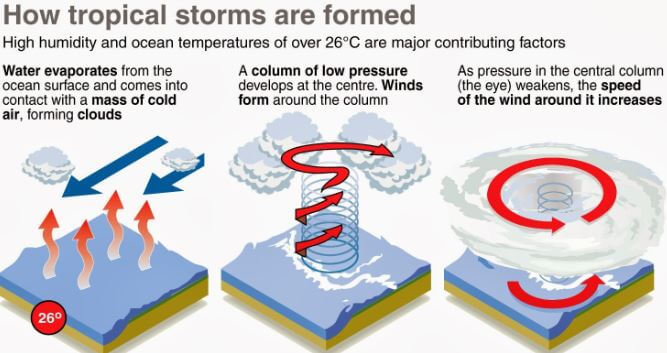
The first, and perhaps most crucial, ingredient is
It provides the energy these storms need to grow big and strong. The warmer the water, the more fuel the storm gets. It's truly incredible how much power this warm water holds.
Next up, we need lots of
Imagine giant, fluffy clouds stretching miles into the sky. They are constantly being fed by this rising, moist air. It's a continuous cycle of growth and expansion.
Then, we need a special kind of quiet in the atmosphere called
Low wind shear allows the storm to stack up neatly, growing taller and stronger. It helps the storm organize into that classic, formidable hurricane shape. Without it, the storm simply can't get its act together.
Finally, there's the
This spinning motion is what creates that iconic hurricane swirl. It’s what transforms a messy cluster of thunderstorms into an organized, powerful vortex. It truly is a marvel of physics in action.
The Star Features of a Hurricane Show
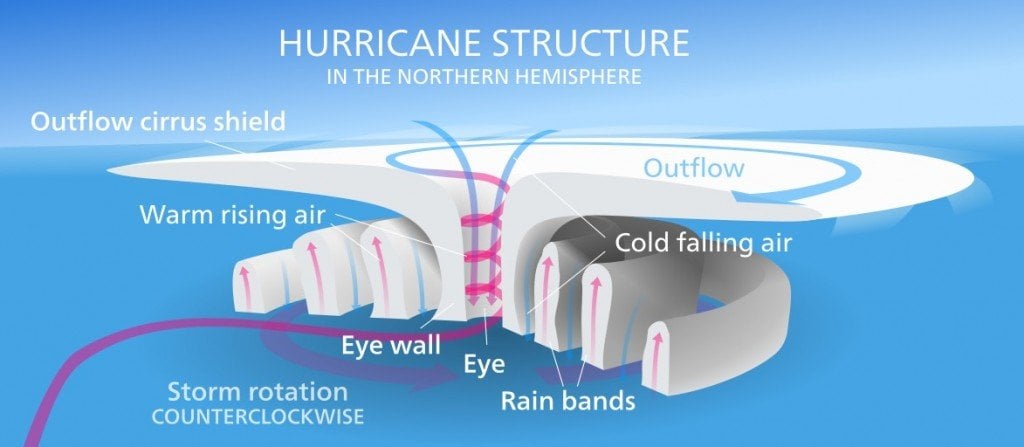
Once a storm has all these ingredients, it really starts to put on a show. Hurricanes have some incredibly distinctive features. These are what make them so visually spectacular.
The Mysterious Eye
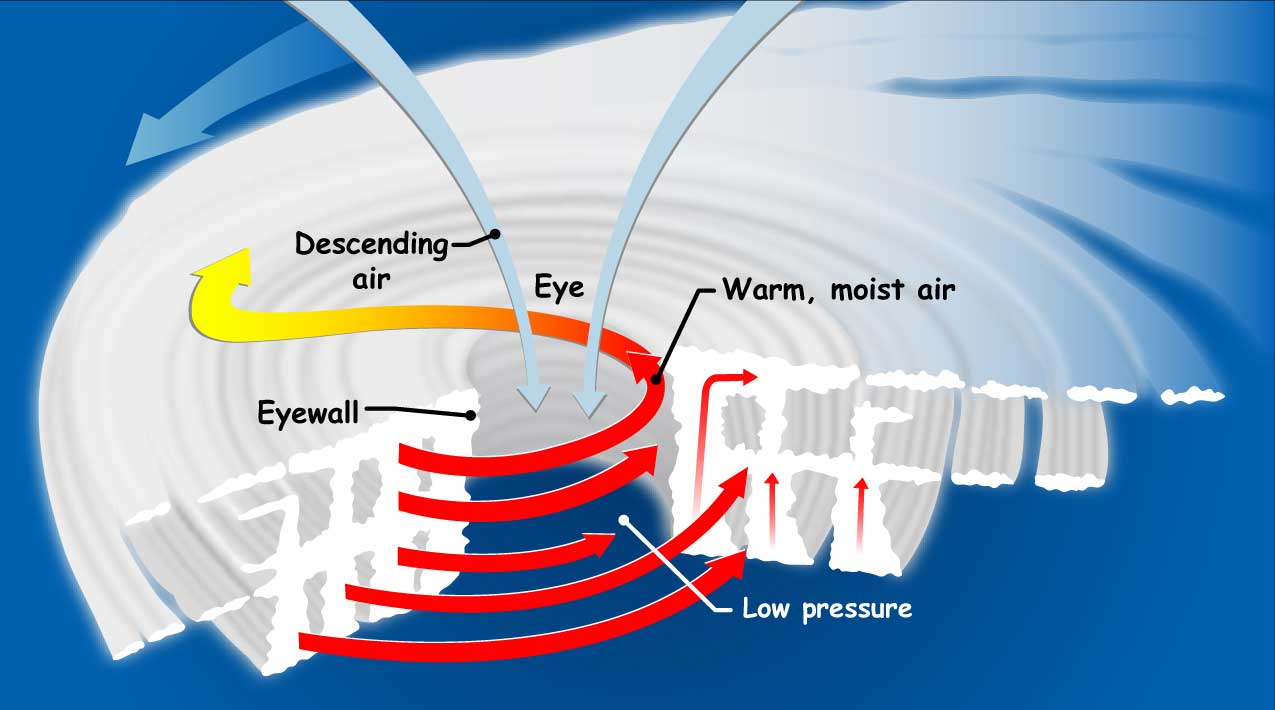
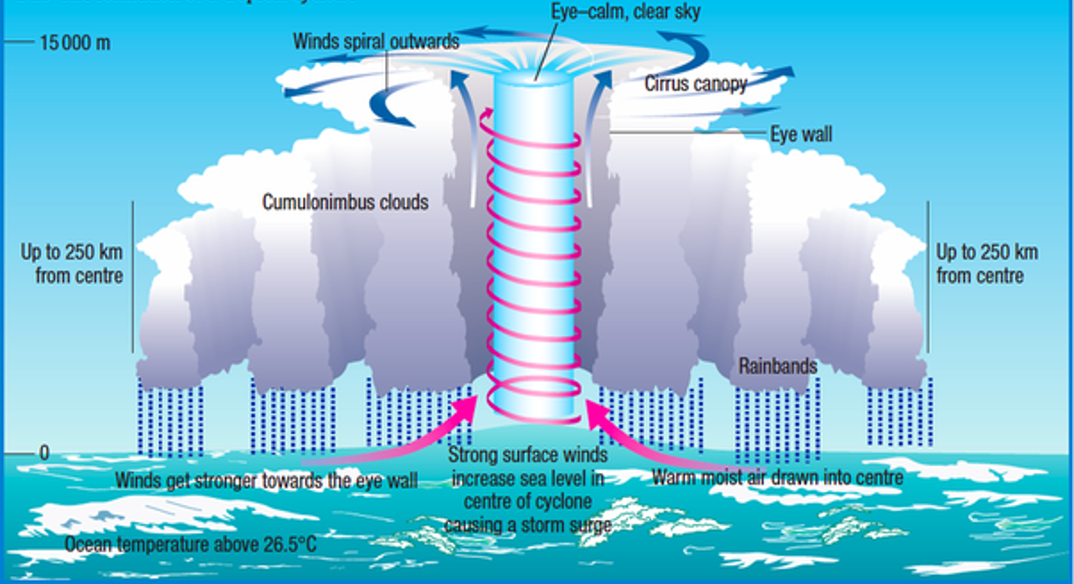
Perhaps the most famous part is the
Imagine being surrounded by raging winds and torrential rain, and then suddenly, stillness. The sky might even clear up, and you can see blue skies above. It's an eerie, almost magical moment.
This quiet center is where air actually sinks slowly. It creates a temporary break in the wild weather. It’s a remarkable contrast to the fury all around it.
The Roaring Eyewall
Right around the calm eye is the
Think of it as the main event, the grand finale of the hurricane's power. This towering ring of thunderstorms is truly magnificent in its ferocity. It’s a force of nature that commands respect.
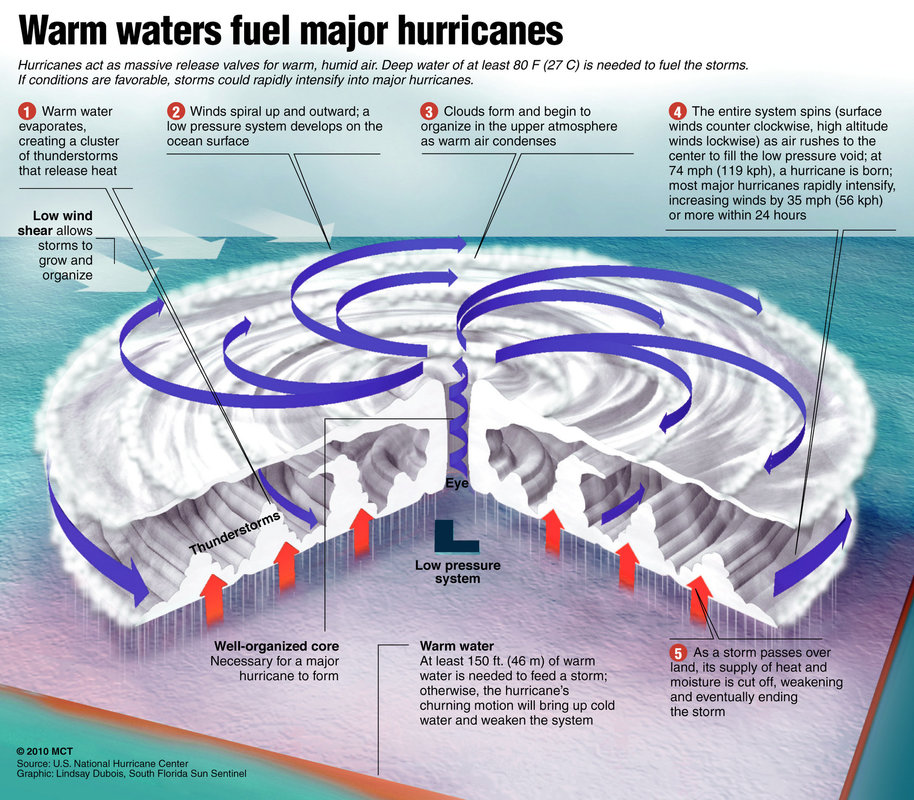
The winds here can be absolutely mind-boggling. They can spin at hundreds of miles per hour. It's truly a testament to nature's raw, untamed strength.
Spiral Rainbands: The Supporting Cast
Beyond the eyewall, there are
These bands bring more rain and wind to areas far from the center. They show just how massive a hurricane truly is. The storm's influence stretches for hundreds of miles.
They are like the supporting cast members, adding to the drama and scale of the entire production. These bands remind us that the hurricane is not just a tiny dot, but a sprawling weather system.
Why Are They So Fascinating?
So, why should you care about what makes a storm a
Watching satellite images of a hurricane swirl across the ocean is truly captivating. You see the sheer scale and intricate dance of atmospheric forces. It looks like a giant, living entity on the move.
It's like witnessing a masterpiece being painted on a global canvas. The raw energy and the delicate balance of conditions needed to create one are incredible. It makes you feel very small, in the best possible way.
Understanding what makes them tick helps us appreciate our planet even more. It teaches us about the incredible, dynamic systems that shape our world. There's a lot of science and beauty wrapped up in every hurricane.
They are a reminder of nature's immense strength and beauty all rolled into one. They inspire awe and a deep sense of respect for the natural world. It's a spectacle unlike almost any other.
"A hurricane is not just a storm; it's a colossal symphony of wind, water, and atmospheric drama."
Every element, from the warm water to the spinning Earth, plays a vital role. This intricate connection of factors creates something truly extraordinary. It's a natural phenomenon that continuously intrigues scientists and weather enthusiasts alike.
So next time you hear about a hurricane, don't just think of it as bad weather. Think of it as an incredible, awe-inspiring force of nature. It’s a special event, unique in its power and beauty.
Perhaps this peek into what makes a storm a