
What Liquid Is In A Car Battery

Okay, so let’s grab a coffee – or maybe something a bit less acidic, given our topic! – and chat about car batteries. You ever just, like, look at that big, heavy box under your hood and wonder, "What on earth is sloshing around in there?" It's not gasoline, obviously, because that would be... well, a fiery disaster waiting to happen. And it's definitely not just plain old water, because then we'd all be using garden hoses to jump-start our cars, right? (Imagine the shenanigans!)
For years, it was one of those things I just took for granted. Car starts? Great! Car doesn't start? Time for a new battery! But the actual guts of the thing? Total mystery. Like, is it super-secret alien plasma? Or maybe a highly concentrated unicorn tear solution? (A girl can dream, can't she?)
The Big Reveal: It's Not Just Water!
Alright, alright, enough suspense. Let's spill the beans! The liquid inside your average lead-acid car battery – and yeah, that's what most cars still use – is a special concoction. It’s a mix of two things: water and, drumroll please, sulfuric acid. Yeah, you heard that right. Acid! Sounds a bit spicy, doesn't it?
Must Read
Specifically, it’s a diluted solution of sulfuric acid. We call this lovely blend electrolyte. And no, it’s not the kind you drink when you’re feeling under the weather after a gym session. This stuff is way, way more potent. Think less "sports drink" and more "stuff that can melt things."
Why the Acid Trip?
So, why the acid? What’s it doing in there, besides sounding vaguely threatening? Well, this electrolyte is the absolute star of the show. Inside the battery, you’ve got these plates, usually made of lead and lead dioxide. When the acid and water solution comes into contact with these plates, it kicks off a chemical reaction. And that, my friend, is where the magic happens!
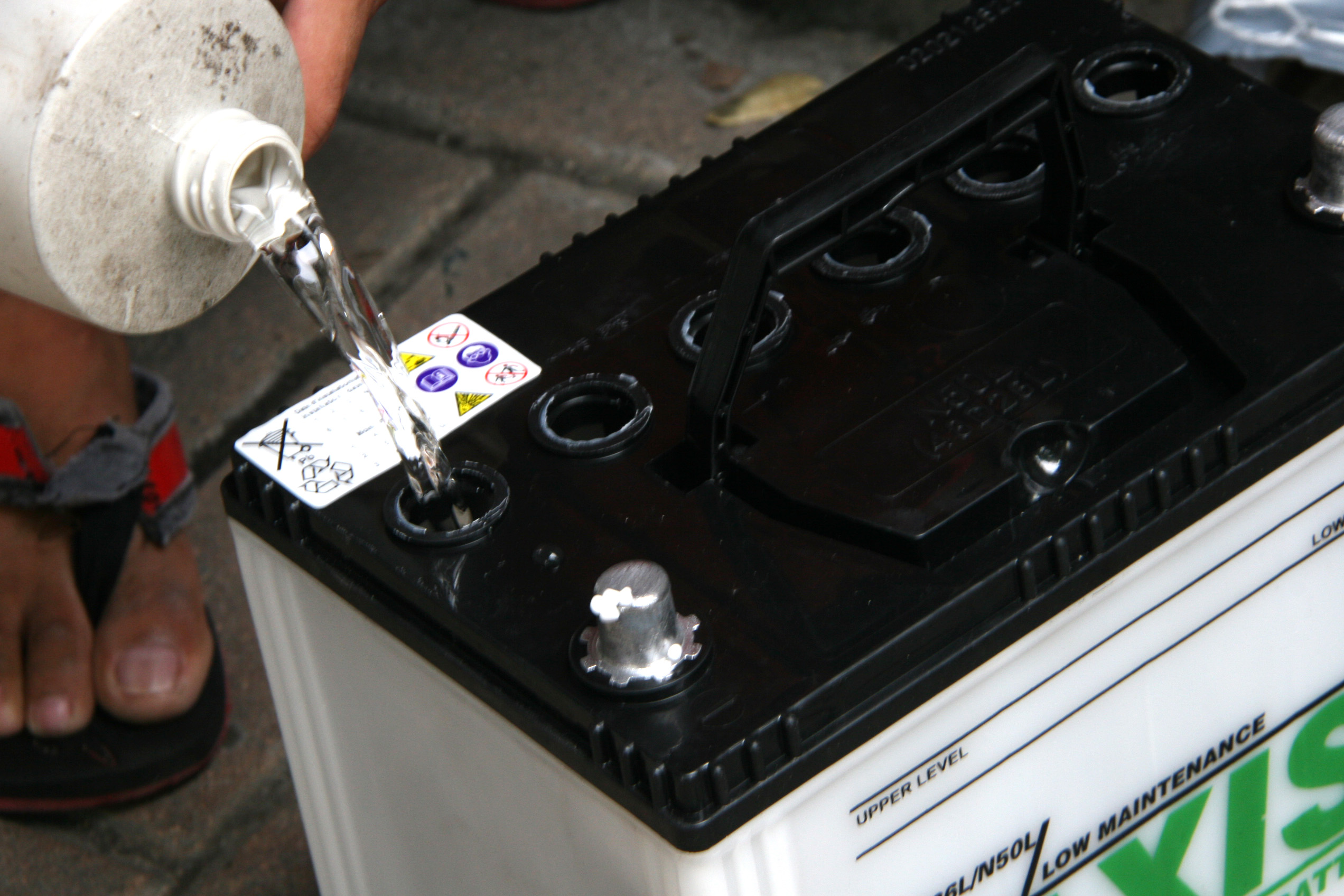
This chemical reaction actually creates a flow of electrons. And what are electrons zooming around doing? They're making electricity! It’s like a tiny, self-contained power plant right there under your hood. When you start your car, that electricity flows out, cranks the engine, and gets you going. When your car is running, the alternator then recharges the battery, reversing the chemical reaction, ready for your next adventure.
It's pretty clever, really. A delicate dance of chemistry, all to get you to work (or, let's be honest, to the drive-thru). Who knew your car battery was such a bustling little science lab, huh?

"Maintenance-Free" Batteries: The Plot Thickens
Now, you might be thinking, "But I never check the fluid in my battery!" And you're probably right! For years, car batteries were open to the air, and you’d occasionally have to top up the fluid levels with distilled water. That’s because the water in the electrolyte can slowly evaporate, especially in hot weather or during charging. (Don't worry, the acid stays put, mostly!)
But most modern car batteries are what we call "maintenance-free". They're sealed up tighter than a drum, with special vents designed to recapture any water vapor and return it to the electrolyte. This means you generally don’t need to worry about checking or topping up the fluid yourself. Which, let's be honest, is a huge win for those of us who prefer our hands grease-free!
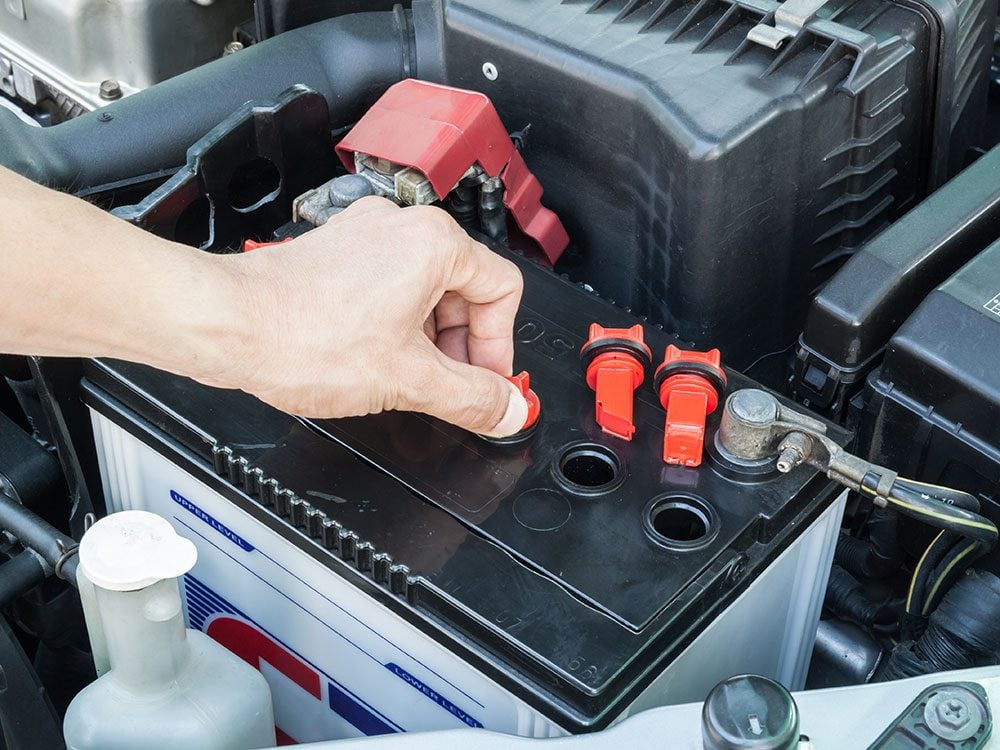
However, even "maintenance-free" batteries still contain that same water and sulfuric acid mixture. They just do a better job of keeping it all contained and happy inside.
A Quick (and Serious) Safety Detour
Alright, quick pause for a serious moment. Because we're talking about acid here, it’s super important to remember that this stuff is corrosive. Like, really corrosive. It can burn your skin, eat through clothes faster than a hungry toddler goes through a cookie jar, and cause severe eye damage. So, if you ever find yourself needing to handle a battery, or if you see any signs of a leak:
- Always wear eye protection (safety glasses are your friend!).
- Gloves are a really, really good idea.
- And if you do get any on you, rinse immediately with lots and lots of water. Seriously, don't mess around with it.
Best practice? If you're not sure, leave it to the pros. Your skin and eyeballs will thank you.
So, There You Have It!
The mysterious liquid in your car battery isn't some magical elixir or space-age fuel. It's a humble, yet powerful, solution of water and sulfuric acid. This electrolyte works tirelessly with lead plates to create the electricity that brings your car to life every single day.
Pretty cool, huh? Next time you hop in your car, give a little nod of appreciation to that hardworking, acid-filled box. It’s doing a lot more than just sitting there looking sturdy. It’s literally sparking your journey!