
What Letters Are Not Used For Hurricane Names

Hey there, weather buffs! Ever wonder how hurricanes get their names? It’s not like scientists just pull them out of a hat (although, wouldn't that be entertaining?). There's actually a pretty structured system in place, and part of that system involves skipping over a few letters of the alphabet. So, grab your metaphorical umbrella, and let's dive into which letters are a no-go when it comes to naming these powerful storms!
Think of it like a super exclusive club… but for letters. Only the coolest get in, right?
The Excluded Letters: A, E, I, O, U… Just Kidding!
Okay, so it's not that dramatic. We're not talking about vowels here! It's actually just a handful of consonants. The National Hurricane Center (NHC) has some very specific reasons for leaving these letters out of the naming process.
Must Read
So which letters are politely declined an invitation to the hurricane naming party? Drumroll, please…
They are Q, U, X, Y, and Z!
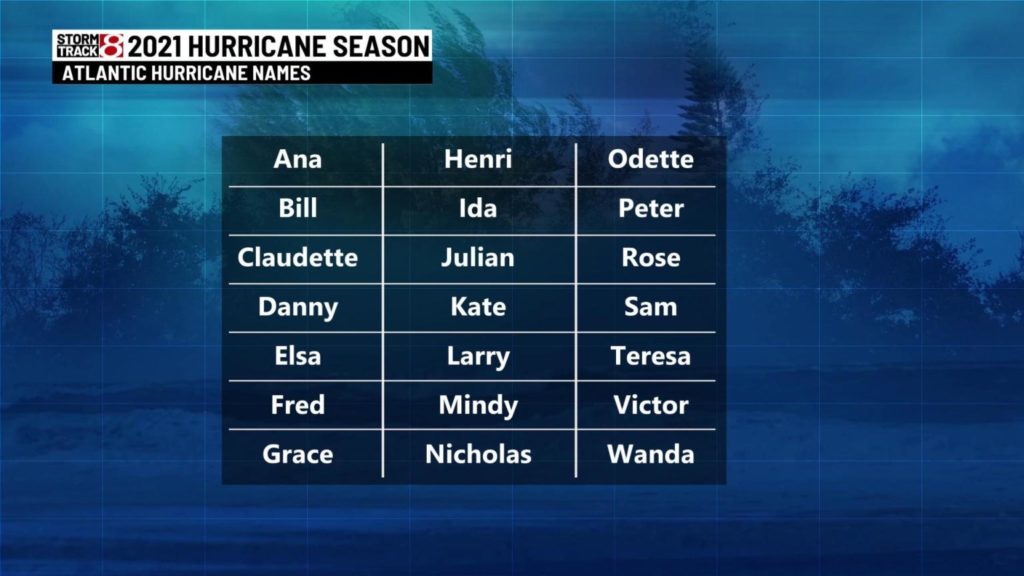
Yes, that's right, no hurricanes named Quentin, Ursula, Xavier, Yolanda, or Zachary. Can you imagine? Hurricane Zachary? Sounds like a friendly neighbor, not a destructive force of nature. Maybe it's better this way. Less confusion, more terror (just kidding... mostly).
Why These Letters Get the Cold Shoulder
Alright, let's get down to the nitty-gritty. Why these particular letters? There are a few key reasons:
First, clarity. Some of these letters are less common in English, and using them could lead to pronunciation problems or confusion, especially in international communications. Imagine trying to pronounce a hurricane name starting with "X" over a crackly radio signal! Chaos! Utter chaos!
Second, standardization. The NHC uses predetermined lists of names that alternate between male and female names. The lists need to be consistent and easy to use. Skipping these letters helps maintain that consistency. It's all about efficiency, folks! The weather waits for no one. Especially not bad pronunciation.

Finally, and this is a big one, avoiding mistakes! The letters 'Q' and 'U' almost always go together in English, which could cause mix-ups. Better to just avoid that whole situation entirely. No need to invite trouble! Plus, who wants to write "Hurricane Quinton" 100 times on a weather report?
The Nitty-Gritty Details of Hurricane Names
Here are a few extra fun facts about hurricane naming conventions:

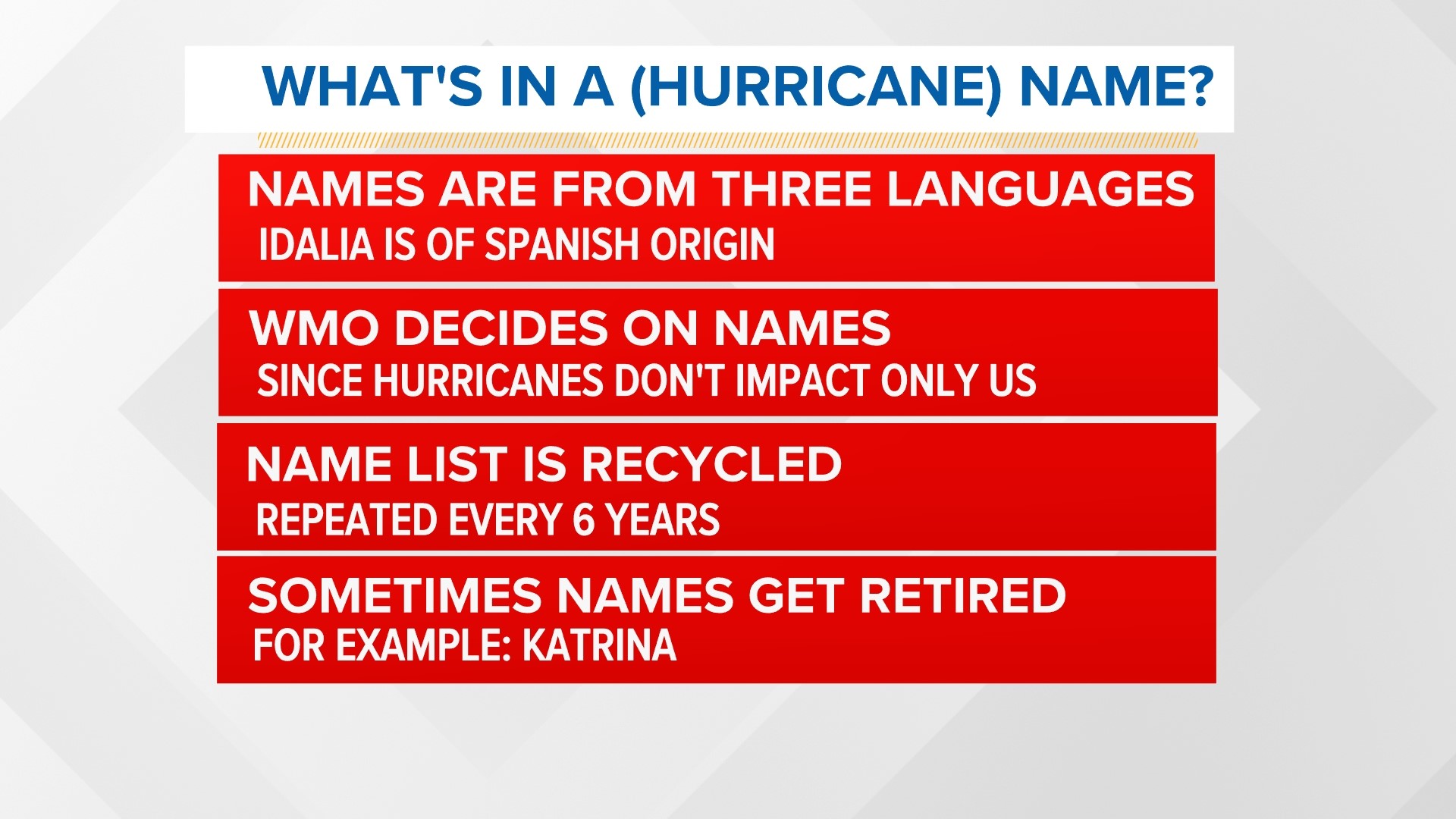
- There are six lists of names used in rotation, meaning the list repeats every six years (unless a storm is so devastating that its name is retired – think Katrina or Harvey).
- The names are alphabetical, making it easy to keep track of which storms have already been named in a given year.
- If a season is particularly active (and goes through all the names on the list), the NHC will then use the Greek alphabet: Alpha, Beta, Gamma, etc. (Remember 2020? What a year!).
So, there you have it! The mystery of the missing hurricane letters is solved! It's all about clarity, consistency, and preventing embarrassing pronunciation errors. Because let's face it, nobody wants to mispronounce a hurricane on live television.
Stay Safe, Stay Informed, and Smile!
Even though these storms are serious business, there’s always something fascinating to learn about the science and systems behind them. Next time you hear about a hurricane, remember the letters that didn't make the cut, and maybe even quiz your friends! You'll be the most interesting person at the hurricane party (hypothetically speaking, of course – always prioritize safety during severe weather!).
So, keep learning, keep exploring, and remember that even amidst powerful storms, there’s always room for a little bit of knowledge and a whole lot of sunshine (metaphorically speaking, depending on the hurricane, of course!). Stay safe and have a wonderfully bright day!