What Kind Of Batteries Does A Thermostat Take
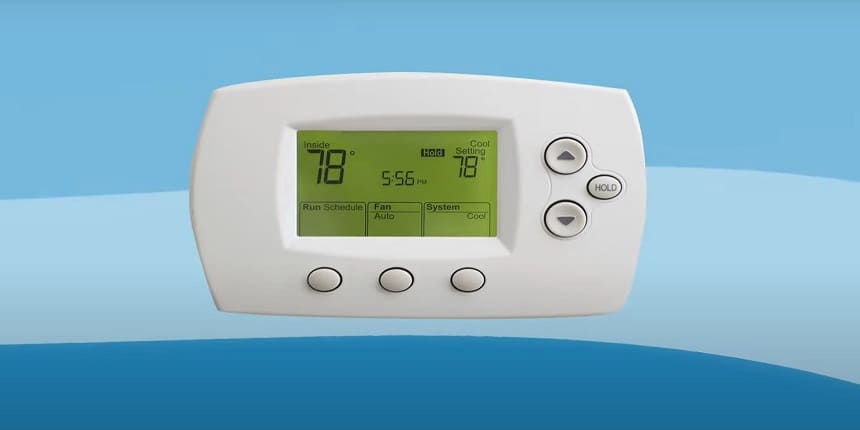
There's something uniquely satisfying about a perfectly temperate home. Whether it's the welcoming warmth that greets you on a frosty winter's evening or the refreshing coolness that cuts through a scorching summer's day, our thermostats are often the unsung heroes orchestrating this daily symphony of comfort. We tend to take them for granted, humming along in the background, ensuring our living spaces are always just right. They provide not only a cozy sanctuary but also a crucial sense of control over our environment, making our homes truly feel like our own personal havens.
The humble thermostat serves an incredibly important purpose in our everyday lives. At its core, it's about regulating temperature, preventing uncomfortable extremes and ensuring our families are safe and comfortable. Beyond just comfort, it’s a powerful tool for energy efficiency. By allowing us to program specific temperatures for different times of day – cooler when we’re asleep or away, warmer when we’re active – thermostats help us avoid wasting energy, which translates directly into savings on utility bills. This smart management isn't just good for your wallet; it’s also a significant step towards reducing your environmental footprint. From simple dial models that offer basic control to sophisticated smart thermostats that learn your habits and can be controlled from your phone, these devices are a cornerstone of modern home management, silently working to keep everything just right.
But then, there's that moment. The display goes blank, the heating doesn't kick on, or the AC just isn't responding. A sudden, chilling realization dawns: "My thermostat needs batteries?!" Yes, indeed, many do! For something that feels so intrinsically wired into our homes, the idea of a battery-powered brain often catches us by surprise. So, what kind of batteries does a thermostat take?
Must Read
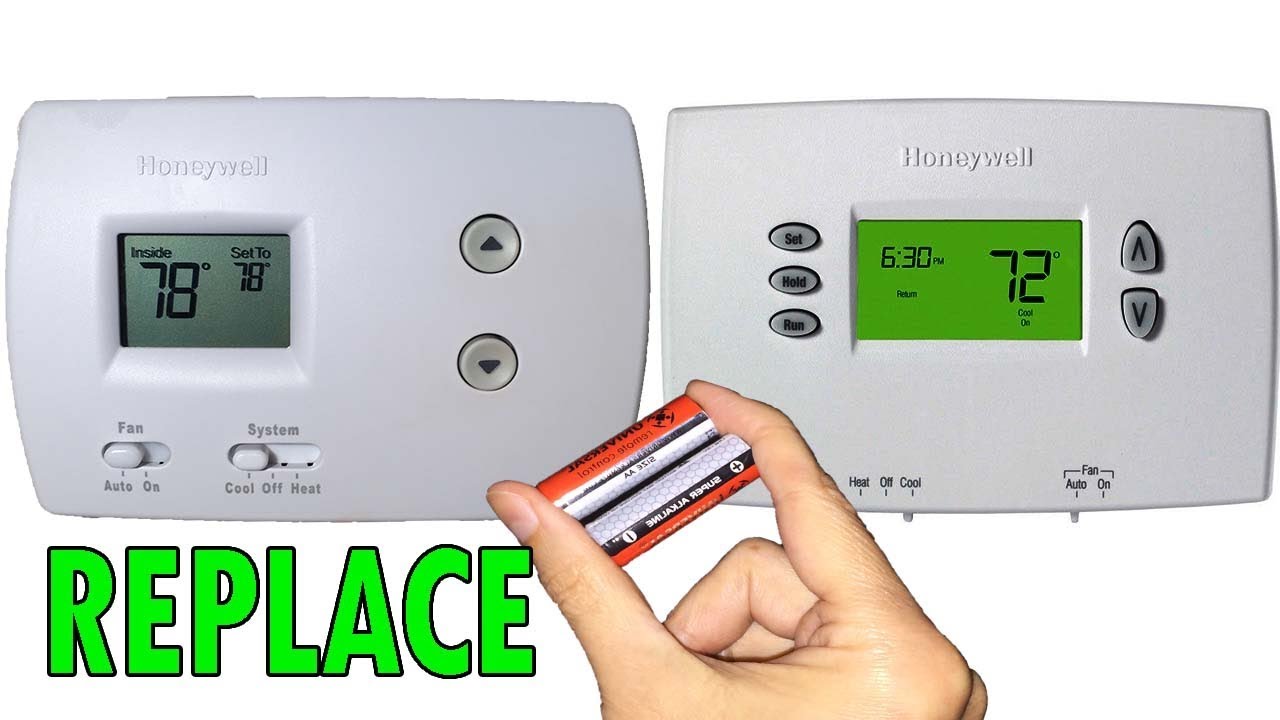
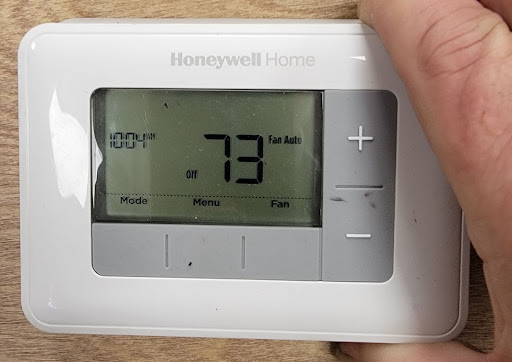
Most commonly, you'll find that your thermostat relies on standard AA or AAA alkaline batteries. These are the workhorses of countless household gadgets, and your thermostat is no exception. They usually slot into a compartment either on the front, side, or sometimes, you have to gently pull the main unit off its base to reveal the battery bay. Some fancier, more feature-rich smart thermostats might use CR123A lithium batteries, which offer a longer lifespan and better performance in extreme temperatures. And then there are the lucky few: thermostats that are hardwired and draw power directly from your HVAC system via a "C-wire," meaning they don't need batteries at all. These are often the higher-end smart models that require constant power for their advanced features.
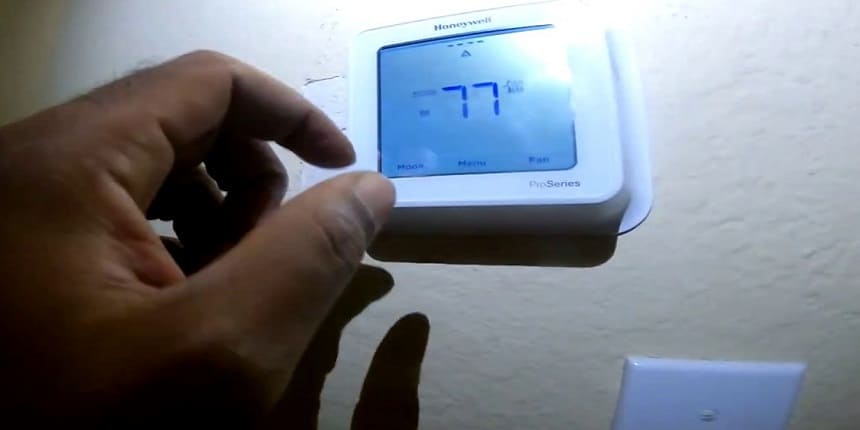
To ensure your thermostat keeps humming along effectively and you avoid those chilly (or sweaty) surprises, here are some practical tips:
- Check Annually, Replace Bi-Annually: Even if your thermostat has a low-battery indicator, it’s good practice to check the batteries once a year and consider replacing them every 18-24 months, regardless of whether they seem dead. Don't wait for the crisis!
- Know Your Type: If you're unsure what kind of batteries your thermostat uses, the first place to check is the manual. If that’s long gone, simply open the battery compartment. The type is almost always printed on the old batteries or right within the compartment itself.
- Keep Spares Handy: There's nothing worse than a dead thermostat battery on the coldest night of the year when all the stores are closed. Keep a fresh pack of the correct battery type in a utility drawer.
- Don't Ignore the Warning: Most modern thermostats will display a low-battery icon or message. Heed it immediately! A dying battery can lead to erratic temperature readings or, worse, your heating or cooling system shutting down entirely.
- Consider an Upgrade (and a C-wire): If you're constantly changing batteries and it's driving you crazy, research smart thermostats that utilize a C-wire. This provides continuous power, eliminating the need for batteries altogether (though installation might require a professional if your home doesn't already have one).
By giving a little thought to the humble batteries (or lack thereof) powering your thermostat, you can ensure uninterrupted comfort and continued energy savings, allowing your home to remain your perfectly climate-controlled sanctuary.