
What Is Zinc Metal Used For
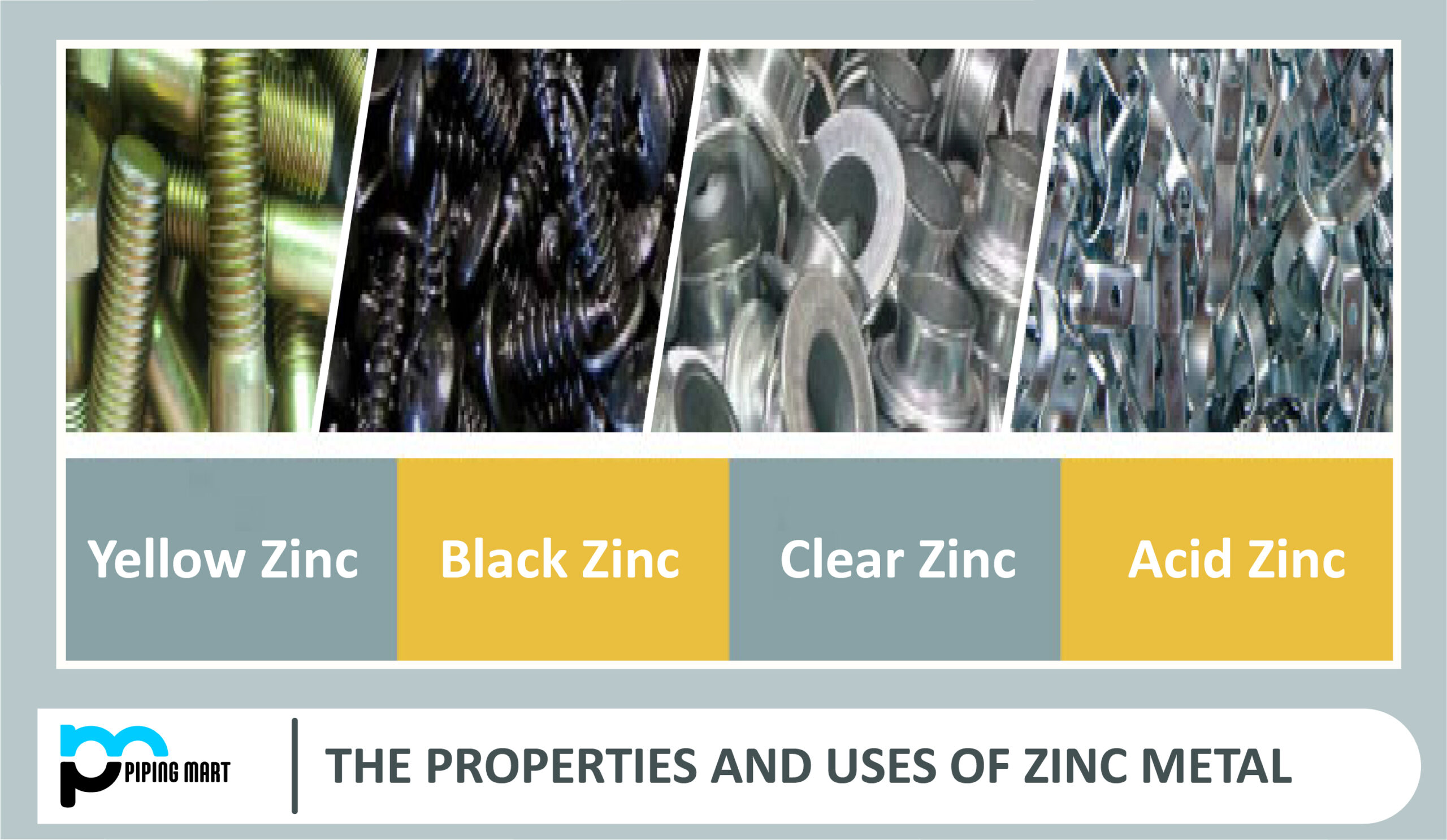
Ever stopped to think about the metal lurking in the shadows, quietly making our world better? We often hear about gold, silver, copper, or steel, but there's an unsung hero that's absolutely everywhere, even if you rarely see it shine on its own. We're talking about zinc!
That's right, humble zinc. It might not have the bling of gold or the antique charm of copper, but this silvery-blue metal is a true workhorse. It’s involved in so many things you interact with daily, often without you even realizing it. So, what exactly is zinc metal used for? Let's dive in and discover why it's such a cool and interesting player in the material world.
The Ultimate Rust Buster: Galvanizing
One of zinc's most crucial jobs is being the ultimate bodyguard for other metals, especially iron and steel. We all know what happens when iron meets moisture and air, right? Rust! It’s like iron's kryptonite, slowly eating away at it. But here comes zinc to the rescue!
Must Read
When you coat steel with a thin layer of zinc, a process called galvanizing, you essentially create an impenetrable shield. Why zinc? Because it’s more reactive than iron. This means that if there's any chance of corrosion, the zinc will happily sacrifice itself first, leaving the underlying steel completely protected. It's like having a superhero take the hit for their sidekick!
Think about all the things that are galvanized: nuts and bolts, car parts, streetlights, fences, roofing, even the insides of your washing machine! If it's exposed to the elements and needs to last, chances are zinc is on the job. Pretty neat, huh?

Powering Your Life: Batteries
Next time you're swapping out batteries in your remote control or flashlight, take a moment to appreciate zinc. It plays a vital role in many common batteries, particularly alkaline batteries and the older zinc-carbon batteries. In these power sources, zinc acts as the anode, releasing electrons and helping to generate the electrical current that makes your gadgets hum.
It's like zinc is a tiny, tireless energy factory, constantly working behind the scenes to keep your devices running. Without it, many of our everyday portable electronics simply wouldn't exist in their current convenient forms.

Teamwork Makes the Dream Work: Alloys
Zinc is also a fantastic team player. It loves to mix with other metals to create new, super-strong, and super-useful materials called alloys. The most famous example? Brass.
Brass is an alloy of copper and zinc. Adding zinc to copper makes it harder, more durable, and gives it a lovely golden sheen. Think about musical instruments like trumpets and trombones – that's often brass! It’s also used for decorative items, plumbing fixtures, and door handles because it’s strong and resists corrosion. Zinc gives copper a bit of sparkle and a whole lot of extra toughness.
:max_bytes(150000):strip_icc()/155422145-56a613e15f9b58b7d0dfcc65.jpg)
Zinc can also be found in some forms of bronze and other specialized alloys, showing just how versatile it is when combined with its metallic buddies.
Shaping the Future: Die Casting
Want to make something with really intricate, precise shapes, but out of metal? That's where zinc excels in a process called die casting. Zinc has a relatively low melting point and flows incredibly well when molten. This means it can be injected into molds at high pressure to create complex, detailed parts very quickly and efficiently.

From zipper pulls on your jacket to toy cars, door handles, intricate machine components, and even parts for electronics, die-cast zinc is everywhere. It's like liquid clay for metal, allowing manufacturers to create highly detailed and strong objects that would be much harder, or even impossible, to make with other metals.
Beyond the Big Ones: More Zinc Wonders
The uses don't stop there!
- Some countries even use zinc in their coins, often as a core material.
- Its excellent corrosion resistance and malleability make it a great choice for architectural applications like roofing and gutters, where it weathers beautifully over time.
- It's also employed as a sacrificial anode for cathodic protection, a grander version of galvanizing, protecting massive structures like pipelines and ship hulls from corroding in harsh environments like seawater or buried in soil. Talk about being a loyal protector!
So, the next time you open a galvanized gate, pick up a remote, admire a brass instrument, or pull up a zipper, take a moment to give a silent nod to zinc. This understated metal is truly one of the unsung heroes of our modern world, quietly working behind the scenes to protect, power, and shape so many aspects of our daily lives. Isn't it fascinating how something so common can be so incredibly important?