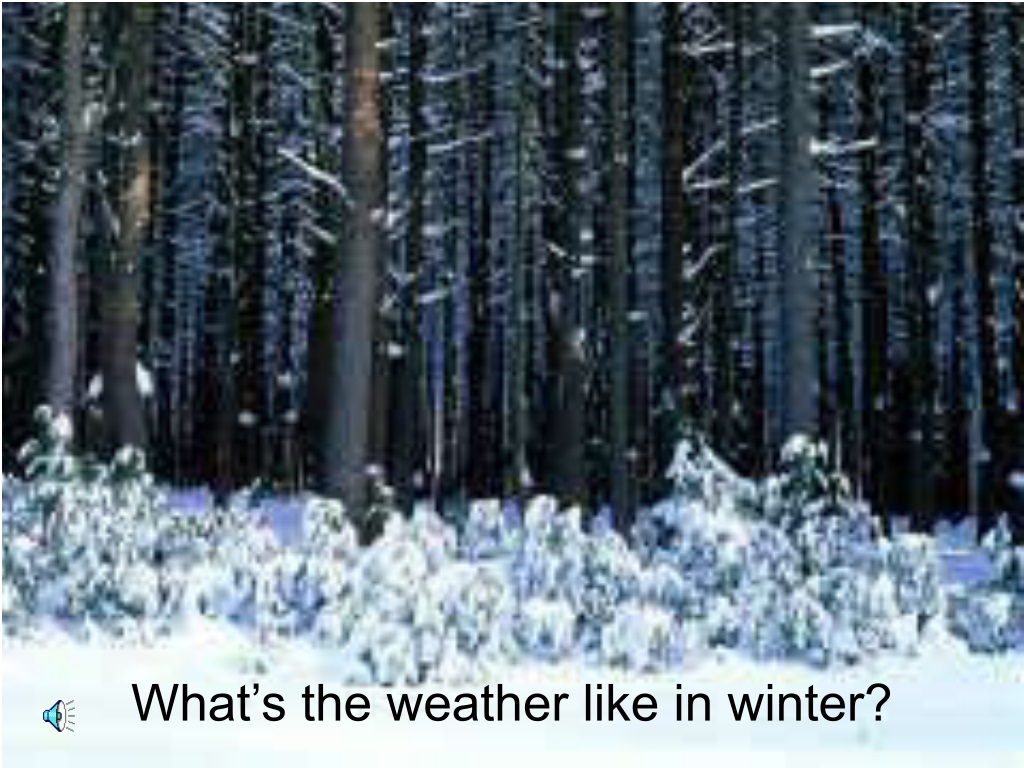
What Is Winter Supposed To Be Like This Year

Okay, let’s talk about winter! Why should we even bother wondering what it's going to be like? Well, for starters, knowing what Mother Nature might have in store for us helps us prepare. Think cozy nights by the fire versus frantic grocery store runs before a blizzard. Plus, let's be honest, speculating about winter weather is just plain fun. It's a universal conversation starter, a shared experience, and a way to connect with the rhythms of the natural world.
So, what is winter supposed to be like this year? That's the million-dollar question! Meteorologists, climatologists, and even groundhogs dedicate their time to predicting the season's temperament. They analyze a whole host of factors, from ocean temperatures and jet stream patterns to historical data and even the dreaded Polar Vortex. The aim is to get a sense of whether we're heading for a mild, snowy, cold, or perhaps even a surprisingly dry winter. Understanding this helps us do all sorts of things.
The benefits of understanding winter forecasts are vast. Farmers, for example, use these predictions to plan their crops and manage their livestock. Energy companies prepare for increased demand for heating fuel. Transportation departments brace for icy roads and snowy conditions. Individuals like you and me can use the information to decide when to schedule winter vacations, purchase winter gear, and even prepare our homes for potential weather-related issues like frozen pipes. Essentially, it's all about being proactive instead of reactive.
Must Read
How does this information play out in education and daily life? In schools, weather patterns and forecasting techniques are often incorporated into science curricula, teaching students about atmospheric science, data analysis, and climate change. At home, we might use weather apps and news reports to decide if we need to shovel the driveway, salt the sidewalks, or bundle up extra warm before heading out the door. Planning a ski trip? Checking the long-range forecast for snowfall can be crucial. Even something as simple as choosing the right tires for your car can be influenced by predicted winter conditions.

Want to explore this topic further? There are plenty of easy ways to do so! Start by paying attention to your local weather forecasts and news reports. Look beyond the daily forecast and see if they offer any seasonal outlooks. Explore websites like the National Weather Service or climate prediction centers for more in-depth information. Even simply comparing the predictions of different forecasters can be an interesting exercise. Think about how the weather actually impacts your daily life – from your commute to your hobbies.
Finally, remember that weather forecasting is an imperfect science. While technology and understanding have improved drastically, unexpected events can always throw a wrench in the works. So, take predictions with a grain of salt, be prepared for a range of possibilities, and most importantly, embrace the beauty and unpredictability of winter! After all, even the best forecast can't capture the magic of a perfectly silent snowfall.