What Is Wind What Is The Energy Source For Wind
Ever feel that refreshing gust of wind on a hot day? Or maybe you've seen a kite soaring effortlessly in the sky? Wind is all around us, a constant and powerful force. But what exactly is it, and where does it come from? Understanding wind is not only fascinating, but also incredibly useful – from predicting the weather to harnessing its power for clean energy. So, let’s dive into the breezy basics!
For beginners, grasping the concept of wind is essential for understanding our planet's weather systems. Knowing how wind works helps you anticipate changes in weather, whether it's planning a picnic or preparing for a storm. For families, learning about wind can be a fun, educational activity. Building a simple weather vane or flying a kite can illustrate the power of wind in a hands-on way. And for hobbyists like sailors, kiteboarders, or even amateur meteorologists, understanding wind patterns is crucial for enjoying their activities safely and effectively.
So, what is wind, exactly? Simply put, wind is air in motion. It’s caused by differences in air pressure. Think of it like a balloon – if you pop it, the air rushes out from the area of high pressure inside to the area of low pressure outside. Wind works the same way, but on a much grander scale. Air always moves from areas of high pressure to areas of low pressure, and that movement is what we experience as wind.
Must Read
Now, where does the energy for wind come from? The ultimate source is the Sun! The Sun's energy heats the Earth, but it doesn't heat it evenly. Land heats up faster than water, and different parts of the Earth receive different amounts of direct sunlight depending on latitude and time of year. These differences in heating create areas of varying air pressure. Warm air is less dense and rises, creating areas of low pressure. Cooler air is denser and sinks, creating areas of high pressure. This constant heating and cooling cycle drives the global wind patterns we observe, like the trade winds and the jet stream.
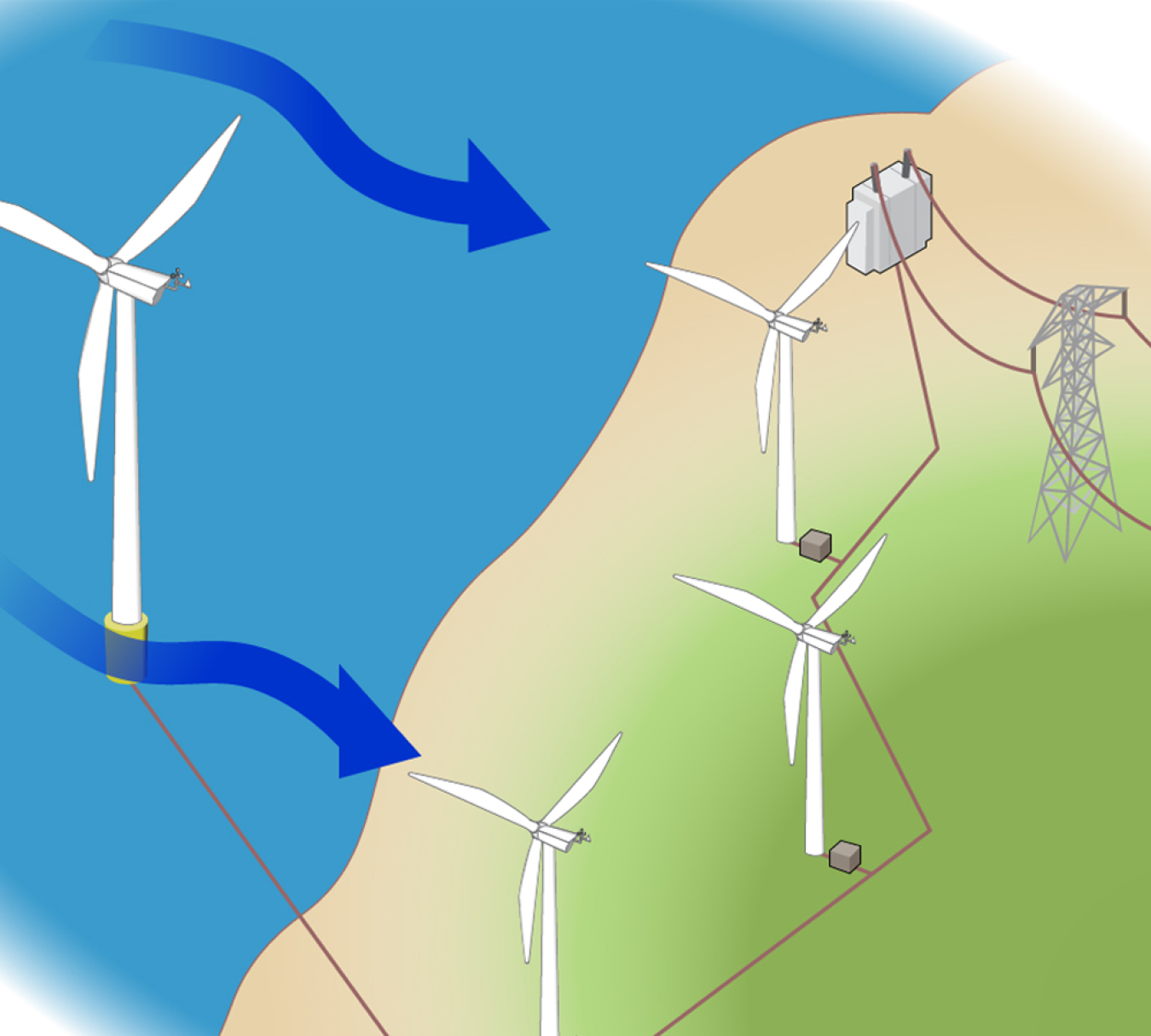
There are many variations of wind. A gentle breeze might barely rustle the leaves, while a powerful hurricane can cause widespread destruction. Local winds, like sea breezes and land breezes, are common along coastlines and are influenced by the temperature differences between the land and the sea. Mountain and valley breezes are another example of local wind patterns, driven by the heating and cooling of mountain slopes.
Want to get started learning more about wind? Here are a few simple tips: 1) Observe your surroundings: Pay attention to the direction the wind is blowing and how it affects trees, flags, and other objects. 2) Use online resources: Many websites and apps provide real-time wind data and forecasts. 3) Build a simple anemometer: You can find instructions online for creating a device that measures wind speed using everyday materials. 4) Read books and articles: Learn about different types of winds, weather patterns, and the history of wind power.
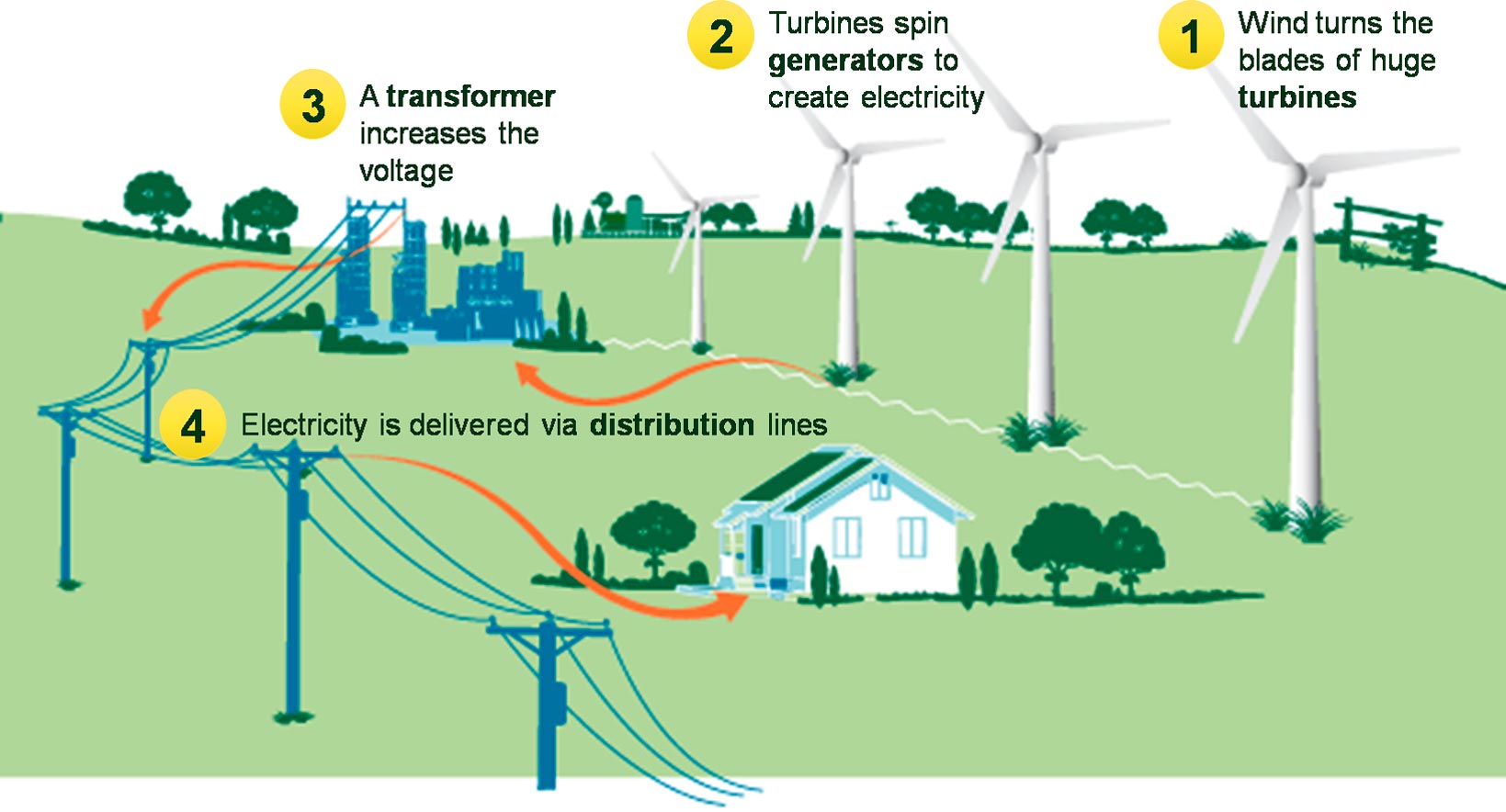
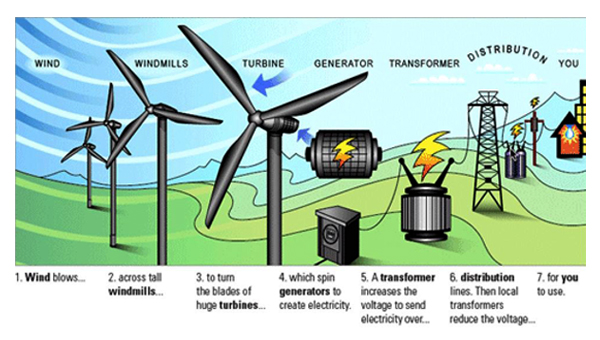
Understanding wind opens up a whole new appreciation for the natural world. Whether you're simply enjoying a pleasant breeze or harnessing its power for a sustainable future, wind is a force that shapes our lives in countless ways. So, next time you feel the wind on your face, take a moment to appreciate the sun-powered engine that drives it all. It's truly a remarkable and endlessly fascinating phenomenon!