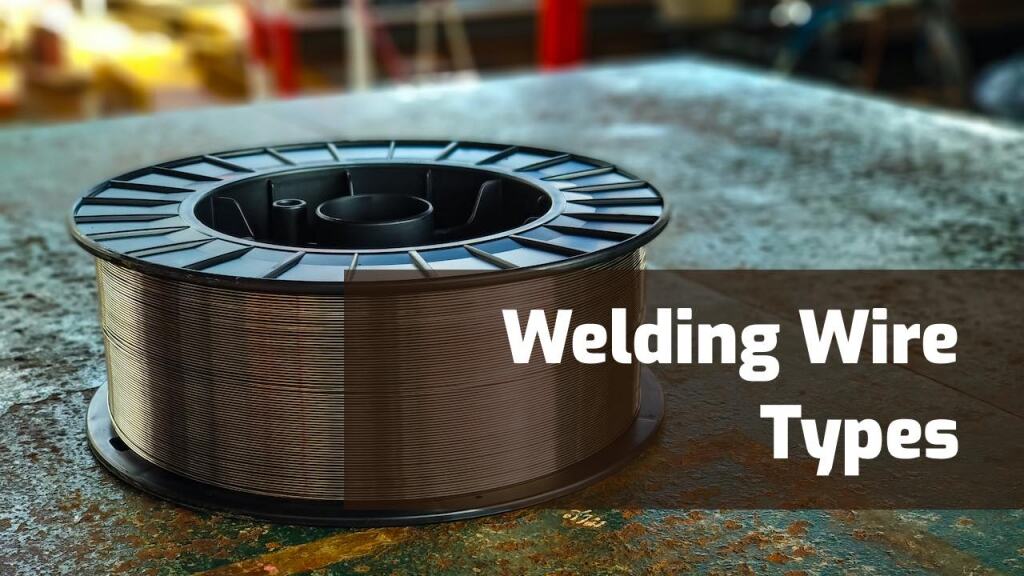
What Is Welding Wire Made Of

Ever gazed at a towering skyscraper, admired the sleek lines of a modern car, or even just looked at your sturdy metal garden fence? All these incredible things, and countless more, owe their existence to one fundamental process: welding. And at the heart of most welding operations lies a seemingly simple, yet remarkably complex, component: the welding wire. It's not just "metal string"; it's the very DNA of the joint, the material that becomes the permanent, strong bond holding our world together. Understanding what this vital ingredient is made of reveals a fascinating world of material science and engineering that truly shapes our daily lives.
So, what exactly does welding wire do? Think of it as the filler material, the "glue" that melts and fuses two pieces of metal together, creating a seamless, robust connection. Whether it's in a massive fabrication shop or a small home workshop, this wire is fed into a welding torch, heated to extreme temperatures, and deposited into the joint. The benefit? It creates a joint that's often as strong, if not stronger, than the parent metals themselves. This allows for the construction of everything from delicate jewelry to colossal bridges, offering unparalleled strength, durability, and design flexibility.
The most common types of welding wire are often made from various grades of steel. For everyday fabrication, you'll frequently find carbon steel wire. It's the workhorse, offering excellent strength and ductility for a wide range of applications, from vehicle frames to industrial machinery. Then there's stainless steel wire, prized for its corrosion resistance and aesthetic appeal, making it ideal for everything from kitchen appliances and medical equipment to chemical processing plants. For lightweight applications, especially in the automotive and aerospace industries, aluminum wire steps in, providing strong, lightweight joints that resist rust.
Must Read
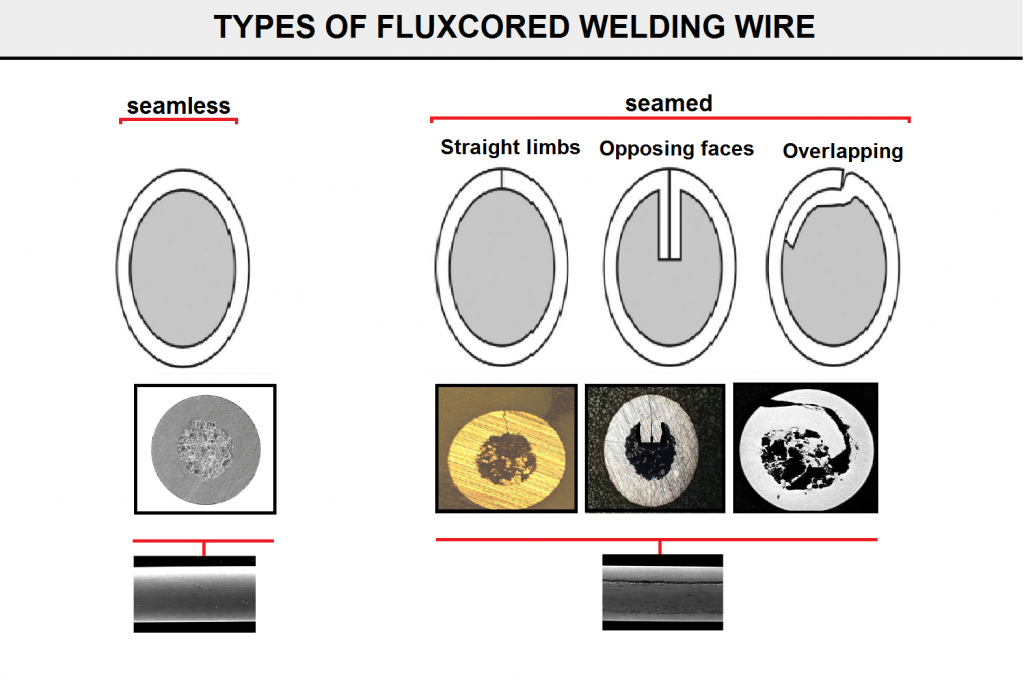
But not all welding wires are solid. Some have a hidden secret: a core filled with a powdery substance called flux. This is where flux-cored wire shines! This internal flux plays several crucial roles: it creates a protective gas shield around the molten weld puddle, preventing contamination from the atmosphere; it helps clean impurities from the metal; and it can even add alloying elements to enhance the weld's properties. Think of it like a tiny, continuous stick electrode. Flux-cored wire is often favored for outdoor use or welding on slightly rusty materials because of its robust shielding capabilities and deeper penetration.
Beyond these main categories, there are specialty wires made from nickel alloys, bronze, titanium, and more, each engineered for specific properties like extreme heat resistance, unique color matching, or joining dissimilar metals. The choice of welding wire is critical, as it directly impacts the strength, corrosion resistance, and overall performance of the finished weld. Each type is a marvel of material engineering, designed to perform under specific conditions and provide the best possible bond.
From the humblest repair to the most magnificent engineering feat, welding wire is an unsung hero. It might seem like a simple spool of metal, but its composition and purpose are meticulously crafted to ensure the safety, longevity, and functionality of countless items we encounter every day. The next time you see something made of metal, take a moment to appreciate the incredible material science behind that invisible, yet immensely strong, weld.