
What Is Water Fire Extinguisher Used For
Ever walked past a fire extinguisher in a public building or spotted one tucked away in a corner of your own home and thought, "Huh. Wonder what that thing's actually for?" You're not alone! It's one of those essential tools we all hope to never use, but understanding it can turn you from a bystander into a proactive protector. Today, we're diving into the wonderfully simple (and surprisingly powerful!) world of the water fire extinguisher. Think of it as your first step towards becoming a low-key household safety guru!
No, seriously, this isn't going to be a dry, technical lecture. We're talking about a piece of equipment that, when used correctly, can save your day, your belongings, and even your pets. And knowing when and how to use it? That's not just responsible; it's empowering. It's like having a secret superpower stored in a bright red cylinder!
So, What Exactly Is This Wet Wonder?
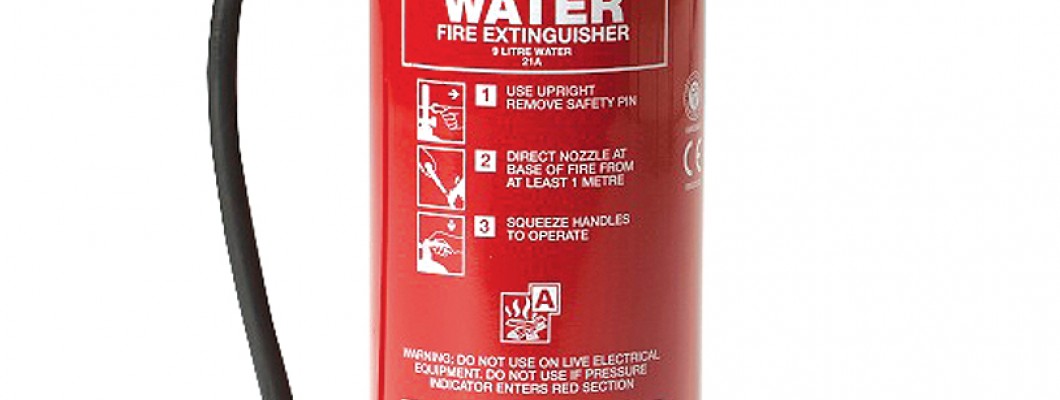
At its core, a water fire extinguisher is exactly what it sounds like: a canister filled with good old H2O, pressurized to spray a stream of water with impressive force. It's often the most common type you'll encounter, easily identifiable by its bright red body and, usually, a prominent "WATER" label or a red color band.
Must Read
Its mission, should it choose to accept it (and it always does!), is to cool down fires. Water works its magic by absorbing heat from the burning material, eventually reducing the temperature below the ignition point. It also creates a bit of a smothering effect, depriving the fire of oxygen, though its primary superpower is definitely cooling.
When Does a Water Extinguisher Shine Brightest?
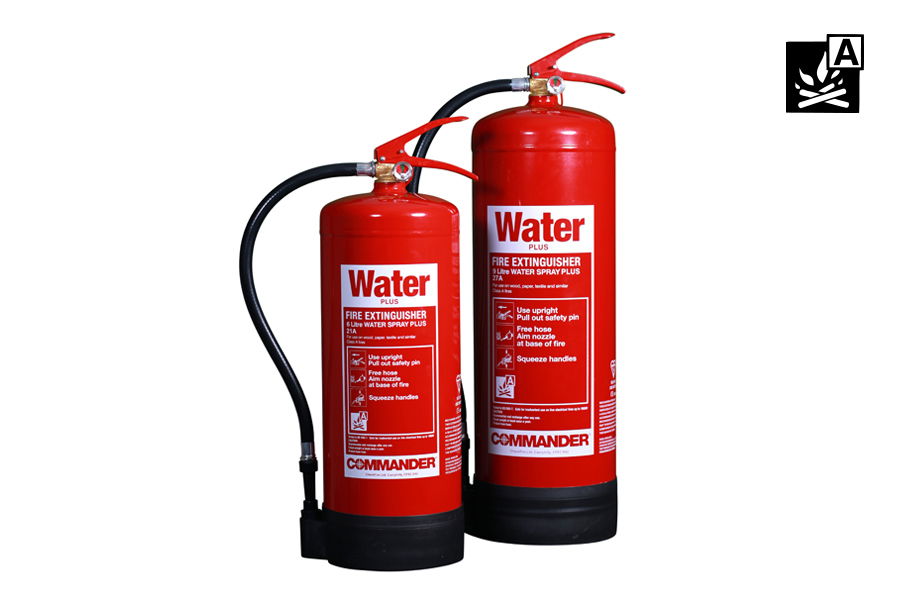
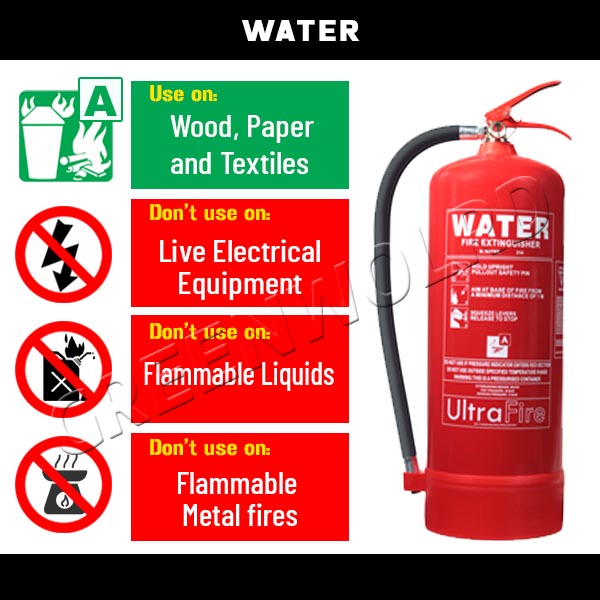
This is where it gets really interesting! Water extinguishers are the undisputed champions for what are known as Class A fires. What's Class A, you ask? Think "A for Ash." These are fires involving ordinary combustible materials that leave behind ash when they burn. We're talking about:
- Wood: Your trusty kitchen table, those logs in the fireplace (that maybe got a little out of hand).
- Paper: Cardboard boxes, important documents (hopefully not too important!), old newspapers.
- Fabric: Curtains, clothing, upholstery, that comfy armchair.
- Plastics: Many household items, from containers to toys.
- Rubber: Like those rubber mats in your garage.
- Trash: A small wastepaper basket fire – a common culprit!
Imagine a small fire in a waste bin or a forgotten tea towel near the stove. A water extinguisher, in these precise scenarios, is your absolute best friend. It quickly soaks the material, reducing the heat and stopping the spread. It’s effective, readily available, and for Class A fires, incredibly efficient.
Hold Up! When Should You Absolutely Not Use It?
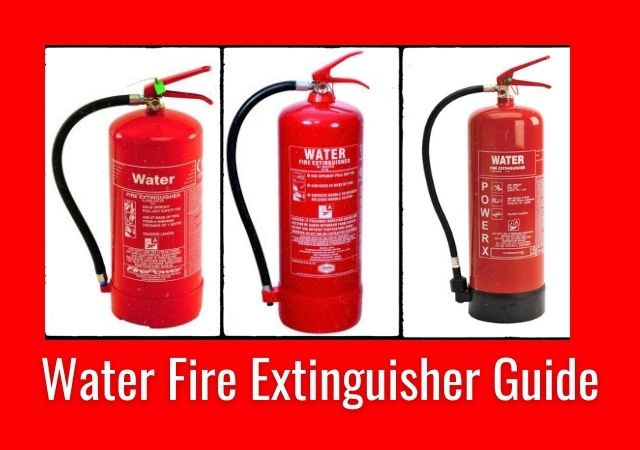
Ah, the crucial flip side! While water is a hero for Class A, it's a definite no-go for other types of fires. This is super important for your safety and to prevent making a bad situation much, much worse. Never, ever use a water extinguisher on:
- Class B Fires (Flammable Liquids): Think gasoline, oil, grease, paint. Why? Because water will likely spread the burning liquid, turning a small fire into a much larger, more dangerous inferno. Imagine splashing water on a grease fire – not pretty, or safe!
- Class C Fires (Electrical Fires): Appliances, wiring, overloaded outlets. Using water on these could lead to electrocution! Water conducts electricity, which means you'd be putting yourself in direct danger. Big, flashing red light, "NO!"
- Class D Fires (Combustible Metals): Rare in a typical home, but important in industrial settings. These special metals react explosively with water.
- Class K Fires (Cooking Oils/Fats): While technically a sub-class of B, kitchen fires involving deep fat fryers or large amounts of cooking oil are extremely specific. A water extinguisher would cause the oil to splatter violently, spreading the fire and potentially causing severe burns. You need a special chemical extinguisher (like a wet chemical or Class F, for commercial kitchens) or, for smaller fires, a fire blanket.
Understanding these distinctions isn't just about safety; it's about being smart. It's knowing your tools and using them for the job they were designed for. It’s like knowing you wouldn’t use a hammer to drive in a screw, right?
Why Should You Even Care About All This?
Okay, so we've talked about the "what" and the "when." But why bother learning this, you might ask? Because knowledge is power, my friend! Knowing about your water fire extinguisher isn't just about having a piece of safety equipment; it's about:
- Confidence: Imagine a small fire starts. Instead of panicking, you'd know exactly which extinguisher to grab (or not grab!) and how to operate it using the simple P.A.S.S. method (Pull, Aim, Squeeze, Sweep). That's calm, cool, and collected in action!
- Protection: You're safeguarding your home, your precious memories, and the people and pets you love. Small fires can escalate rapidly, and having the right tool and the knowledge to use it can make all the difference.
- Empowerment: You're taking charge of your safety and becoming a more prepared individual. It’s a life skill, like knowing how to change a tire or cook a decent meal. You might not use it often, but when you do, you'll be profoundly grateful for the insight.
It's about transforming from someone who hopes a fire never happens to someone who is ready if it does. It makes life more fun because it gives you a deeper sense of security and preparedness, freeing your mind from "what if" anxieties.
So, next time you see that bright red cylinder, give it a knowing nod. You now understand its secret language! Go forth, check your home for the right extinguishers, learn the P.A.S.S. method, and feel the inspiring thrill of being prepared. Who knew fire safety could be so engaging? Now you do!
