
What Is Used To Make Plastic
Ever picked up a plastic item and really, truly wondered? Like, what on Earth is this stuff made from? Most of us just shrug, right? We assume it’s… well, just plastic.
Maybe you imagine it magically appearing from a plastic tree. Or perhaps tiny plastic fairies weave it together from rainbows and wishes. Nope, the truth is far stranger.
The Big Secret: Earth's Ancient Goo
Prepare yourself for a playful truth bomb. The origin of most plastic isn't some shiny lab experiment starting with air. It begins deep, deep underground.
Must Read
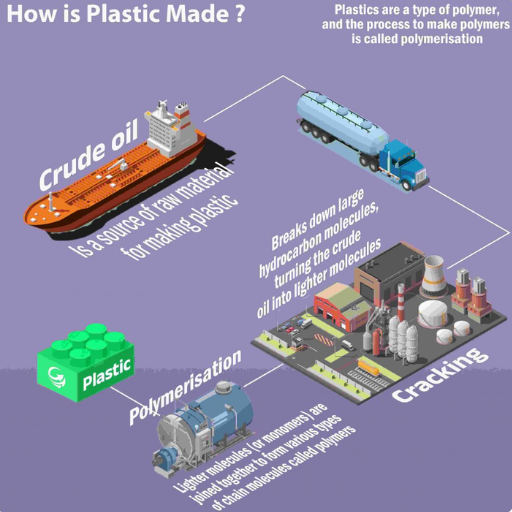
We're talking about crude oil and natural gas. Yes, the very same stuff we pump to power our cars and heat our homes. Surprise!
This might be my unpopular opinion. Your plastic toothbrush probably has more in common with a gas station than a flower garden. It's a fossil fuel party!
Your plastic spoon might have once been neighbors with a dinosaur. In a very, very roundabout way, of course.
Millions of years ago, ancient plants and tiny sea creatures lived their lives. They died, sank, and got squished under layers of rock and earth. Extreme heat and pressure did their magic.
Over eons, they transformed into the gooey treasures we call fossil fuels. So, in a weirdly wonderful way, plastic holds a tiny piece of ancient history.
From Goo to You: The Chemistry Playbook
Okay, so how does ancient goo become a sturdy water bottle? It’s not actual sorcery, though it feels a bit like it. It's clever chemistry, folks.
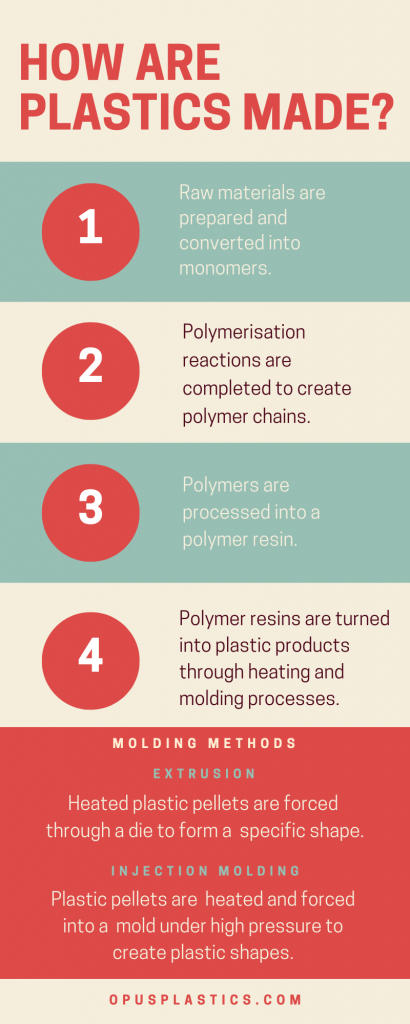
This process is called polymerization. Don't let the big word scare you. It’s actually quite simple to imagine.

Think of plastic as a super-long chain. This chain is made from many tiny, identical building blocks. We call these little blocks monomers.
Crude oil and natural gas are refined. This refining gives us these essential monomer building blocks. They are the individual LEGO bricks of the plastic world.
Then, brilliant scientists and engineers link these monomers together. They form long, repeating chains. These chains are what we call polymers.
And guess what? Polymers are plastic! Ta-da! It's like building an incredibly long train out of many identical carriages.
Each carriage is a monomer. The entire train is a polymer. Simple, right? Well, simple to imagine, super clever to execute.
The Plastic Family Tree: So Many Flavors!
You might have noticed that not all plastics are the same. A squishy plastic bag feels different from a hard bottle cap. A sturdy pipe is different from a flexible toy.
This variety comes from different types of monomers. And also, how they are linked and arranged in their polymer chains. It's a whole plastic family tree!
Take polyethylene, for instance. It's one of the most common plastics around. You’ll find it in plastic bags, films, and even milk jugs.

It's made from ethylene monomers. These are typically derived from natural gas or crude oil. It's light, flexible, and very versatile.
Then there's polypropylene. This type is used for yogurt containers, bottle caps, and even car parts. It's a bit stiffer and more heat resistant.
It comes from propylene monomers. Also sourced from our good old fossil fuels. See a pattern emerging?
Each kind of plastic has its own special monomer. Its unique molecular blueprint. This makes it suitable for different tasks and purposes.
The Secret Spice Rack: Additives and Flair
But wait, there's even more to our plastic story! Plastic isn't just pure polymer. It often needs a little extra help to become the amazing stuff we know.
Think about color. Your bright red toy isn't naturally red. Dyes and pigments are added during manufacturing. These give plastic its vibrant personality.
What about flexibility? Some plastic bends easily, like a squeeze bottle. Other plastics are super stiff, like a hard hat.
This flexibility comes from things called plasticizers. These special ingredients make plastic soft and bendy. Or hard and durable, depending on the need.
Other clever additives include UV protectors. These stop plastic from fading and becoming brittle in the sun. Or flame retardants, making items safer.
It's like a secret recipe for each type of plastic. A pinch of this, a dash of that. All to make it perfectly suited for its job.
My "Unpopular" Opinion, Reiterated with Vigor!
So, here's my big, bold, slightly tongue-in-cheek conclusion. My 'controversial' thought for the day. Every conventional plastic item you touch?
It has a deep, ancestral connection. To ancient life. To something fossilized deep within the Earth's crust.
Your phone case, that plastic cup, the laundry basket. That colorful toy your child adores. They all share this incredible, geological heritage.
It's not quite dinosaur juice, but it's close enough for a fantastic, playful story!
Imagine the journey these materials take. From Earth's primeval depths. Through refining and polymerization. All the way to your everyday life.

It's pretty mind-boggling when you truly think about it. A tiny piece of prehistoric energy, shaped into something new.
A Quick Nod to New Kids on the Block
Now, a very quick honorable mention. There are newer types of plastics emerging. These are often called bioplastics.
These can be made from plants! Think corn, sugarcane, even algae. Pretty neat and a step towards sustainability, right?
But for now, these are still a small part of the plastic world. Most of the plastic we encounter daily is still rocking that ancient fossil fuel base.
Your New Plastic Perspective
So, next time you encounter a plastic item, don't just see a thing. See a little miracle of chemistry and ancient Earth history.
See a tiny piece of our planet's past. Transformed for countless uses in our present. It’s a strange, wild truth, hidden in plain sight.
And now you're in on the secret! Go forth and ponder its humble beginnings. Or just casually drop this knowledge at your next gathering.
Either way, your view of plastic will never quite be the same. You're welcome!