
What Is Used For 3d Printing

Alright, gather 'round, curious minds! We’re about to dive into the truly wild, utterly baffling world of 3D printing. You’ve seen the cool videos, right? Little robots whizzing around, making amazing things pop out of thin air. It looks like pure magic, a wizard’s trick from a future film.
But here's the kicker, the big reveal, the "don't tell anyone I told you this" secret. What do they actually use for 3D printing? Prepare yourselves, because the truth is far less glamorous than you think.
My truly unpopular opinion, the one that might make tech gurus gasp? It's all just glorified ... stuff. Yes, plain old stuff, often the kind you'd find in your kitchen or garage.
Must Read
The Ubiquitous Plastic Parade
Let's kick things off with the most common culprit, the absolute workhorse of 3D printing: plastic. You thought it was some alien goo, some super-secret polymer, didn't you? Nope!
Think about it. We live in a plastic world, practically swimming in it. Your phone case? Definitely plastic. Your water bottle? Often plastic. That weird little toy from the cereal box? Almost certainly plastic. 3D printers just decided to join the club, but with extra, incredibly precise steps.
The most famous plastic is probably PLA. It's short for Polylactic Acid, which sounds like something from a chemistry textbook. But don't let the name fool you!
It’s often made from humble origins like cornstarch or sugarcane. Your breakfast could, theoretically, be the precursor to a plastic figurine. It's quite a transformation!
It’s kind of the friendly, slightly eco-conscious plastic of the bunch. Easy to use, and when it’s melting, it sometimes smells a bit like waffles. Who doesn't love a good waffle-scented workspace?
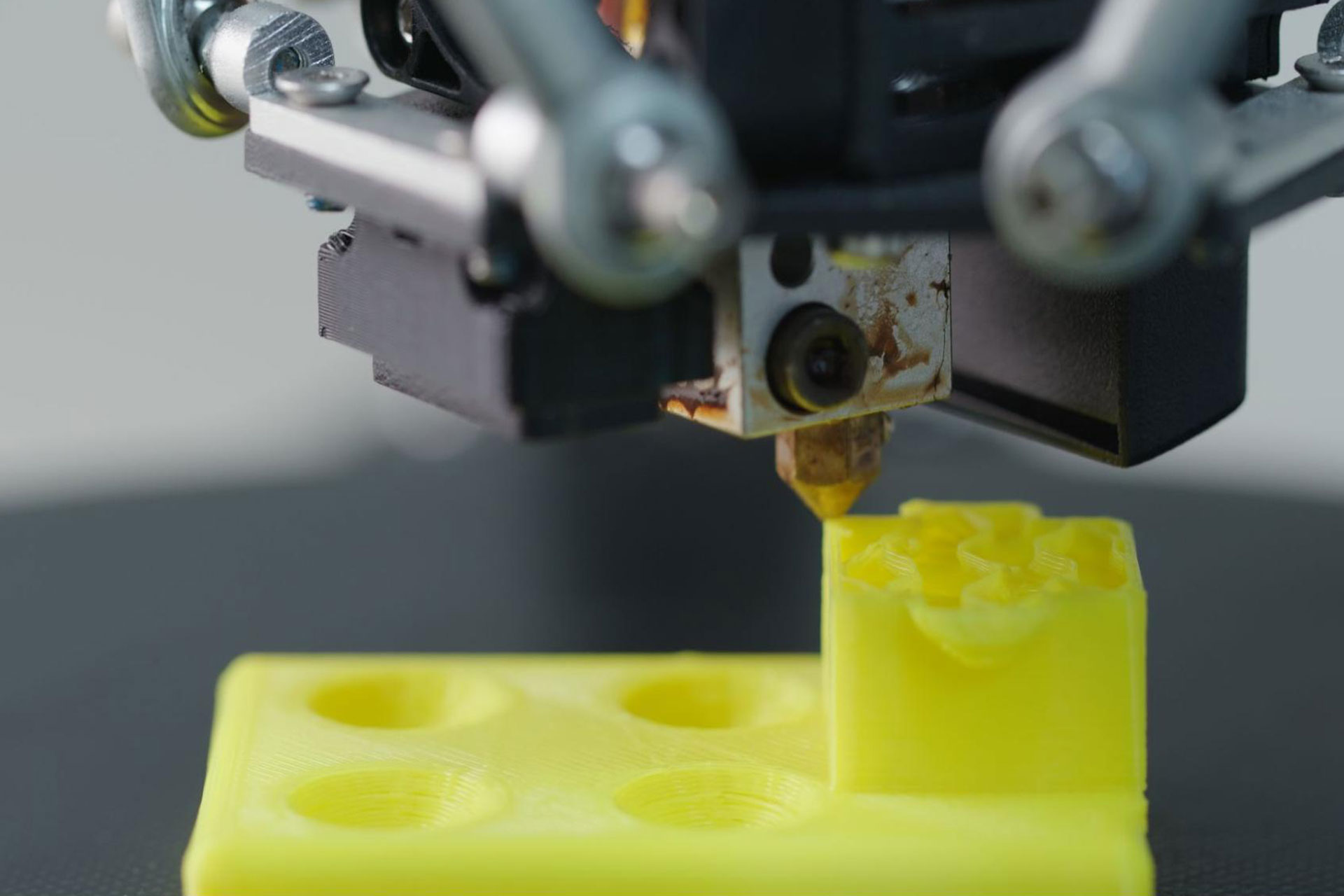
Then there's ABS. This one's a bit more of a tough guy, a real sturdy fellow. Think about those indestructible LEGO bricks. Yes, the very same material that makes you wince when you step on it.
It's known for being strong, durable, and ready to withstand a beating. It is, however, a tad more finicky to print with and definitely smells more like... well, hot plastic. But for robust models, it’s often the go-to choice.
And let's not forget PETG, the superhero plastic. It’s durable like ABS but remarkably easier to print with, much like PLA. It's also the material for many clear plastic bottles, so you know it.
See? It’s not some mythical, glowing substance beamed down from space. It’s just different flavors of plastic, carefully squirted out by what is, essentially, a very sophisticated, computerized hot glue gun. The principle is surprisingly similar!
The Gooey, Gloopy Resins
Now, if you crave things a little smoother, a little more detailed, and a lot more… well, goopy before they harden, we enter the world of resins. These are special liquids that magically transform into solid objects when exposed to light. Usually, it’s powerful UV light doing the hard work.
Imagine a vat filled with colorful, thick syrup. Then, a precise light beam draws shapes on its surface, making tiny sections solidify. It’s like creating an object from a pool.

These resins are often the secret behind incredibly detailed models, such as delicate miniature figurines or incredibly precise jewelry prototypes. They can capture every tiny whisker or delicate filigree. The detail is breathtaking.
But at the end of the day, it's still a chemical soup that undergoes a hardening process. It's just a very, very specific chemical soup. And you definitely wouldn’t want to taste it.
Metals: From Dust to Dynamo
"But wait!" you might cry, eyes wide with futuristic visions. "What about strong stuff? Like engine parts or space shuttles?" Ah, my friend, that’s where the world of metal powders makes its grand entrance. Yes, you heard that correctly: powder, not molten rivers of steel.
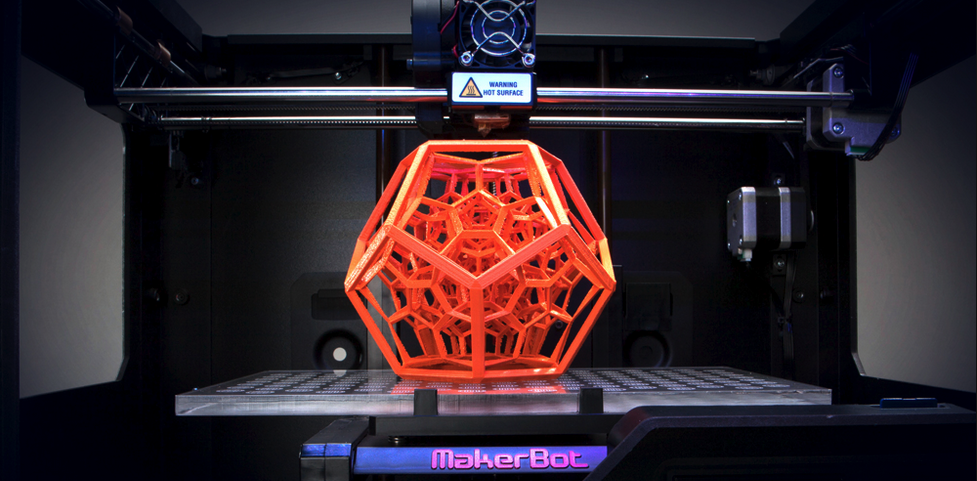
Instead of melting plastic filaments, some very serious, industrial-grade 3D printers use powerful lasers to melt tiny grains of metal together. Imagine dust motes, but these motes are made of robust materials like steel, titanium, or even gold. Then, envision a super-powered spotlight fusing them into something strong.
This mind-boggling process goes by names like Selective Laser Sintering (SLS) or Direct Metal Laser Sintering (DMLS). It sounds like something straight out of a science fiction movie, and it feels that advanced. Yet, at its core, it's still about meticulously placing small pieces of metal, then sticking them together.
So, while the outcome is revolutionary – creating impossible parts – the principle is a very sophisticated form of spot-welding, one microscopic speck at a time. Your car engine probably wouldn't be surprised by the concept. It’s just metal doing metal things, but with a robot's finesse.
Food: The Tastiest 3D Prints
Now for the truly mind-bending, stomach-rumbling part: food. Yes, believe it or not, you can indeed 3D print your dinner, or at least very fancy components of it. No, it's not always Michelin-star delicious, but the future is shaping up!
Imagine carefully extruding melted chocolate into intricate shapes for a dessert presentation. Or creating personalized sugar sculptures for a cake. You can even print pancake batter into custom, whimsical designs right onto a hot griddle!
It’s essentially like a fancy pastry bag, but equipped with extreme precision and a tireless robotic arm. Your grandma's trusty cookie cutter just got a serious, space-age upgrade. And probably a more expensive price tag.
So, next time you gaze upon an impossibly intricate chocolate sculpture or a perfectly structured sugar centerpiece, ask yourself: was this meticulously hand-crafted by a master chocolatier, or did a robot squeeze out melted goodness? The answer might genuinely surprise you. And make you hungry.
Beyond the Usual Suspects: The Material Menagerie
The world of 3D printing materials is actually a wild jungle. We’ve only just scratched the surface with plastics, resins, metals, and foods. There are so many other peculiar and fascinating choices out there!
Some clever printers can squirt out paste-like ceramics, which then get carefully fired in a kiln, much like a piece of traditional pottery. So, that elegant vase could very well be robot-made! Who knew art could be so automated?
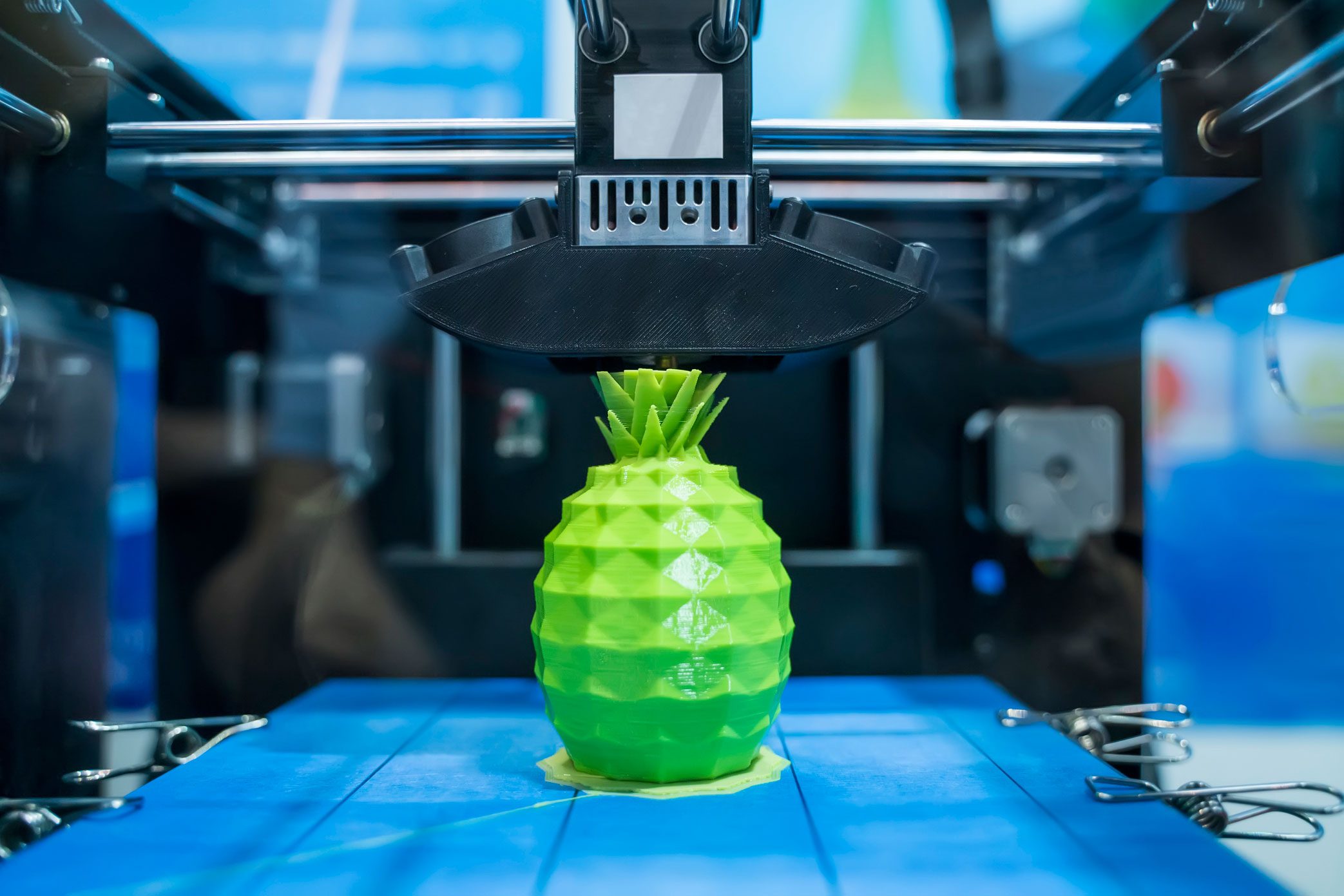
And if you thought that was pushing boundaries, how about printing with actual glass? Imagine transparent, intricate structures, gleaming and delicate, appearing layer by shimmering layer. It truly looks like something sculpted by an alien intelligence.
And if you thought that was wild, brace yourselves for biomaterials. Yes, we’re talking about actual living cells. Scientists are diligently experimenting with printing viable tissues and even simple organ structures for research.
It still sounds like pure science fiction, doesn't it? Building body parts with a printer? It's less about creating a whole new you (thankfully!) and more about fabricating tiny patches or simplified models for study. But still, pretty darn wild and certainly revolutionary.
The Unpopular Truth Revealed
So, what's my grand, unpopular conclusion after this whirlwind tour of materials? Here it is, folks, the secret: The true magic isn't in the material itself. It's entirely in the precision of its application.
"At its heart, 3D printing isn't using exotic, otherworldly substances. It's just taking utterly mundane, often familiar stuff and meticulously putting it exactly where it needs to be, one tiny speck at a time, until something amazing appears."
Whether it's humble cornstarch-based plastic, a light-sensitive liquid, powdered metal, or even melted chocolate, the core principle remains the same. It’s all just raw material, waiting for its moment to shine. Just very, very cleverly and precisely arranged raw material, guided by a digital blueprint.
So next time you marvel at a 3D-printed wonder, don't just think "wow, exotic materials!" Think instead, "wow, someone really knew how to push around some stuff with incredible accuracy!" And maybe, just maybe, you'll smile at the wonderfully ordinary, yet powerful truth behind the magic.