
What Is True About The Voltage Rating Of A Fuse
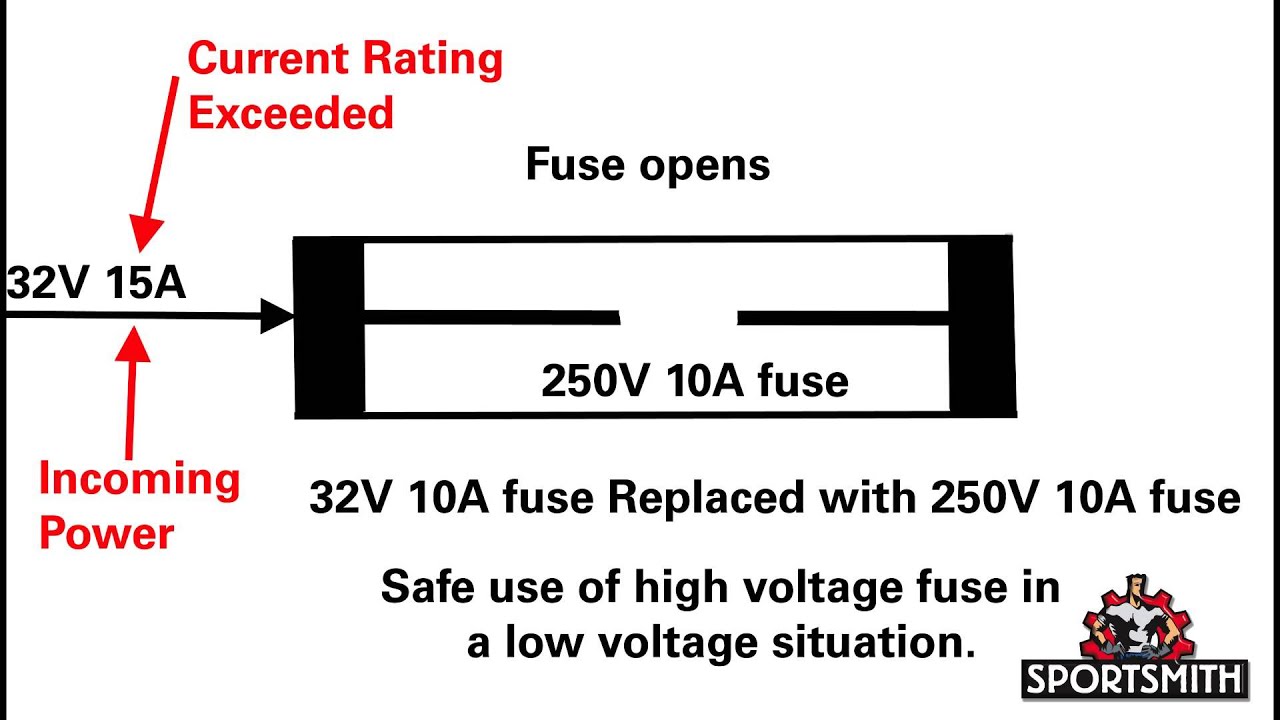
Hey there, sparky! Ever looked at a fuse and wondered what that "voltage rating" thingamajig is all about? Don't worry, it's not as electrifyingly confusing as it sounds! Let's break it down with the finesse of a well-placed resistor.
Essentially, the voltage rating on a fuse tells you the maximum voltage the fuse can safely interrupt. Think of it like this: it's the fuse's "break-up" point with the circuit. If the voltage exceeds that rating, things could get... well, let's just say you'd probably rather be watching cat videos.
Why Does Voltage Rating Even Matter?
Good question! It's not just some random number the manufacturers dreamed up while sipping coffee (though, maybe they did... who knows?). It’s crucial for safety. When a fuse blows (because, you know, it's doing its job!), an arc forms across the broken circuit. This arc is basically a tiny lightning bolt trying to keep the electricity flowing. The higher the voltage, the bigger and more persistent the arc.
Must Read
The fuse's design, especially the materials and the space inside, is specifically engineered to quench this arc quickly and safely. If the voltage exceeds the rating, the fuse might not be able to put out the fire, so to speak. The arc could continue to burn, potentially causing a fire, damaging equipment, or even giving someone a nasty shock. And nobody wants that! (Unless you're a supervillain, in which case, please don't use our fuses.)
So, What's the Real Scoop?
Here's the key takeaway: The fuse's voltage rating must be equal to or greater than the voltage of the circuit it's protecting. Let me repeat that, just for good measure: EQUAL TO OR GREATER THAN! Think of it like age to watch a movie, you have to be at least the rating the circuit requires.
You can totally use a fuse with a higher voltage rating than your circuit needs. It won't hurt anything. It's like using a sledgehammer to crack a walnut – overkill, maybe, but the walnut's definitely getting cracked! The fuse will still blow when the current exceeds its amperage rating. What you cannot do is use a fuse with a lower voltage rating. That's a recipe for disaster.
For example, if your circuit operates at 120 volts, you can use a 120-volt fuse, a 250-volt fuse, or even a 600-volt fuse. All those are fine. But never, ever use a 32-volt fuse! Got it? Good!

But Wait, There's More! (Sort Of...)
It’s also worth noting that the voltage rating is independent of the amperage rating. Amperage is about how much current the fuse can handle before blowing, while voltage is about how much electrical potential the fuse can safely interrupt. They are two totally different animals.
You could have a 1-amp, 600-volt fuse and a 30-amp, 32-volt fuse. They both do completely different jobs and are not interchangeable except under very specific circumstances (consult a qualified electrician if you're unsure!). It's like confusing a garden hose with a fire hose. Both move water, but you wouldn't want to use the garden hose to put out a blazing inferno!

Final Thoughts: Don't Be a Fuse Fool!
Choosing the right fuse, with the correct voltage and amperage ratings, is super important for safety and for protecting your electrical equipment. Always double-check the voltage of your circuit and make sure the fuse you choose has an equal or higher voltage rating. When in doubt, consult a qualified electrician. They're the superheroes of the electrical world, and they can help you avoid any electrifying mishaps.
Now go forth and conquer your electrical projects with the knowledge of a true fuse aficionado! Remember, electricity doesn't have to be scary. A little knowledge and a healthy dose of respect can keep you safe and sound. And hey, knowing a little bit about fuses might just make you the life of the party (at least, the life of the electrical party!).
