
What Is Total Hardness Of Water

Hey there, fellow water enthusiast! Or perhaps you're just someone who's ever gazed blankly at a bottle of shampoo that refuses to foam, or scrubbed a mysteriously spotty glass right out of the dishwasher. If so, you've already had a casual, perhaps slightly exasperated, encounter with one of water's most fascinating, yet often misunderstood, characteristics: Total Hardness.
Sounds super scientific, right? Like something only a lab coat-wearing genius would care about. But trust me, once you peek behind the curtain of this intriguing concept, you'll realize it's actually a pretty big deal in your everyday life – and understanding it can make things a whole lot smoother (pun absolutely intended!).
So, What's the Big Deal with Total Hardness?
Imagine your tap water isn't just plain H2O. Think of it as a tiny, bustling metropolis, and some very particular microscopic guests have decided to move in. When we talk about total hardness, we're basically talking about the concentration of dissolved minerals in your water. The two main VIPs causing all the "hardness" fuss are calcium and magnesium.
Must Read
These aren't nasty contaminants; in fact, they're naturally occurring minerals that water picks up as it flows through rocks and soil on its journey to your faucet. So, if your water is "hard," it simply means it's had a pretty adventurous journey, picking up these mineral souvenirs along the way. It's like your water went on a road trip and came back with a souvenir T-shirt – or, in this case, some calcium and magnesium ions!
Why Should You Even Care About These Tiny Guests?
Ah, now we get to the fun (and sometimes frustrating) part! These mineral "guests" have a knack for making their presence known. Ever wonder why your soap just doesn't seem to lather up as much as it should? Or why you use half a bottle of shampoo to get a decent head of suds?
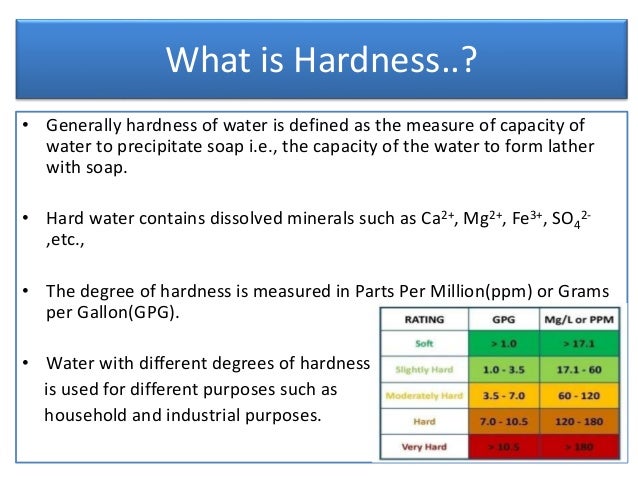
Hard water is the culprit! Calcium and magnesium ions react with the cleaning agents in your soap, preventing them from forming that lovely, bubbly lather we all know and love. Instead, they form a sticky, insoluble residue. This residue? That's right, it’s soap scum! The bane of bathrooms everywhere. So, understanding total hardness helps you understand why your cleaning products might be fighting an uphill battle.
Spotty Dishes and Grungy Kettles, Anyone?
The saga continues! Those pesky white spots on your freshly washed dishes and glassware? That's not leftover food; it’s mineral deposits from hard water. When the water evaporates, it leaves behind the calcium and magnesium. It's a natural phenomenon, but undeniably annoying when you're aiming for sparkling clean!

And let's not forget your beloved kettle or coffee maker. That crusty, off-white build-up inside? That's called limescale, and it’s a direct result of hard water minerals accumulating over time. Not only does it look a bit gross, but it can also make your appliances less efficient, costing you more energy and potentially shortening their lifespan. Who knew your water's mineral content had such a direct impact on your morning brew?
Hair, Skin, and Even Taste!
Your body feels it too! Many people with hard water report that their hair feels dull, dry, or even a bit greasy, and their skin might feel tight, dry, or itchy after showering. This is because the mineral residue can cling to your hair and skin, preventing them from feeling truly clean and moisturized. It's like having a very subtle, invisible film constantly coating you.
But here's a twist: not all effects are negative! Some people actually prefer the taste of hard water, finding it more "refreshing" or "mineral-rich." The dissolved minerals can give water a distinct flavor profile, which, like fine wine, can be appreciated by a discerning palate. So, your hard water might just be a gourmet experience waiting to be savored!
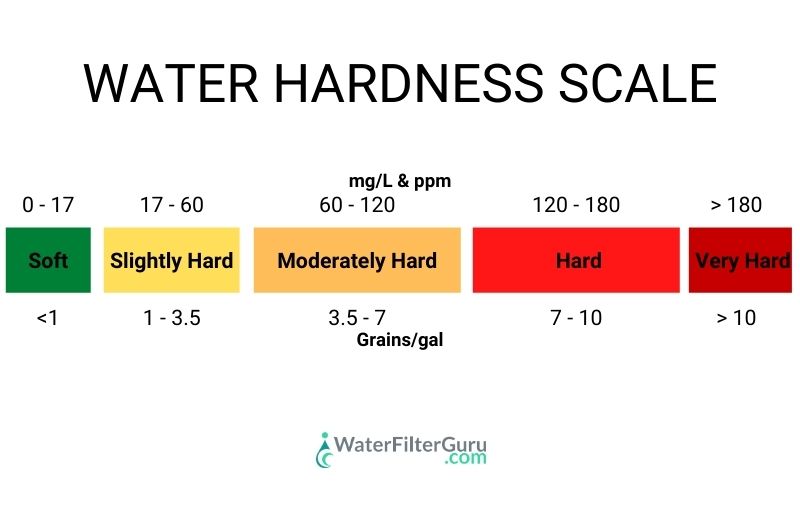
Hard vs. Soft: It's a Spectrum, Not a Battle!
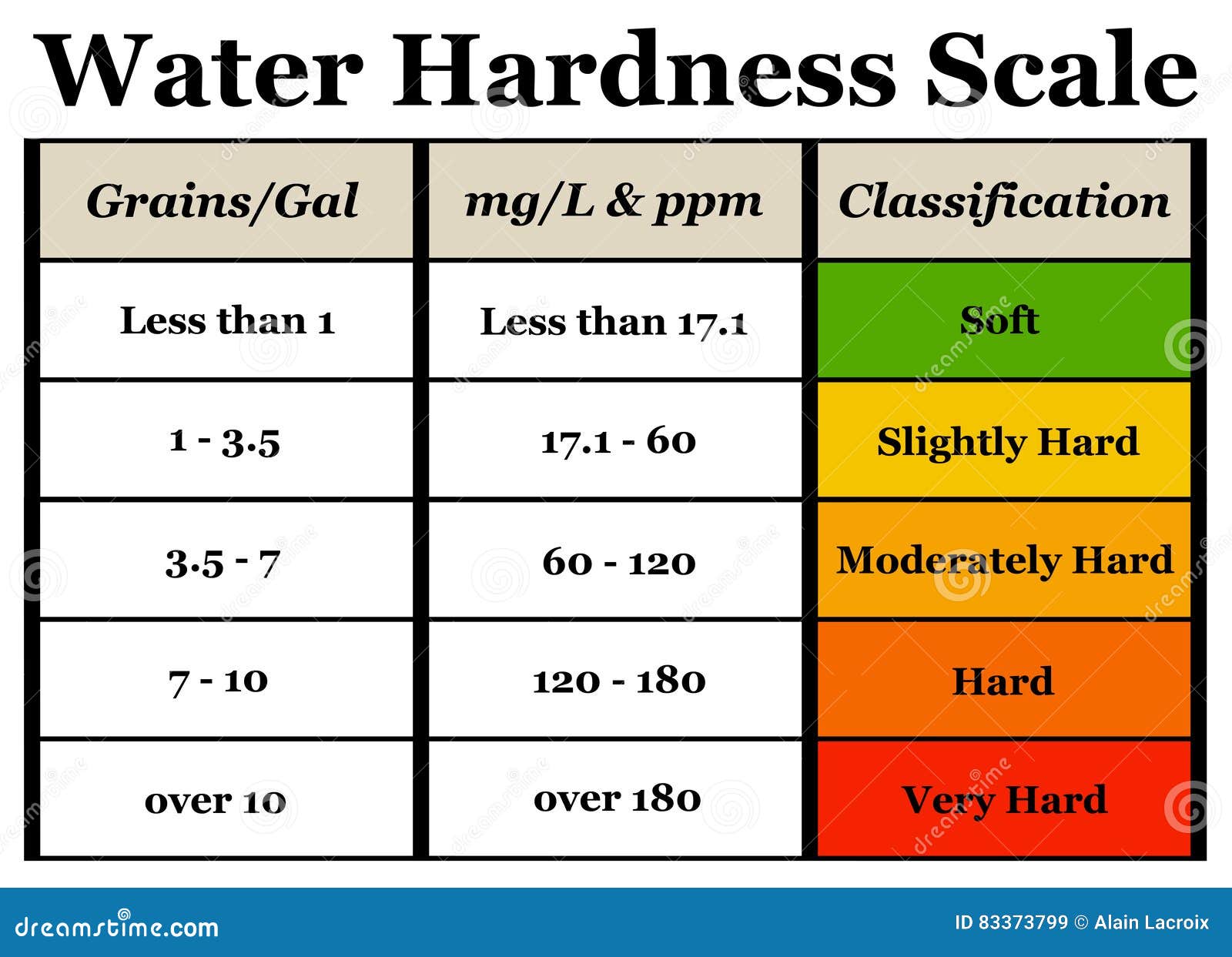
It’s important to remember that water hardness isn't a simple "on or off" switch. It's a spectrum! Water can be classified as soft, moderately hard, hard, or very hard, depending on the concentration of those calcium and magnesium ions. Different regions have vastly different water hardness levels, often due to their local geology. Your neighbor across town might have completely different water, just like that!
Understanding your water's total hardness isn't about fear or frustration; it's about knowledge and empowerment. It helps you make informed choices about everything from the amount of soap you use to whether a water softener might be a worthwhile investment for your home. Knowing your water's personality helps you work with it, not against it.
Embrace the Wonderful World of Water!
Isn't it amazing how much goes on in something we often take for granted? Your tap water isn't just a simple liquid; it's a dynamic blend with a unique story, shaped by the earth it travels through. Learning about its total hardness is just one tiny, fascinating step into understanding the intricate world that flows right into our homes.
So, the next time your soap struggles to lather, or you spot a water ring in your kettle, don't despair! Instead, let it spark a moment of curiosity. Think of it as a little puzzle from Mother Nature, inviting you to become a water detective. There's a whole universe of everyday science waiting to be explored, right in your kitchen sink!
Go ahead, ask questions, look up your local water report, and start noticing the subtle (and sometimes not-so-subtle) ways your water's total hardness plays a role in your life. You might just find that understanding the science behind the ordinary makes life a little more extraordinary, a little more informed, and a whole lot more fun!